
Masood Khalid Khan
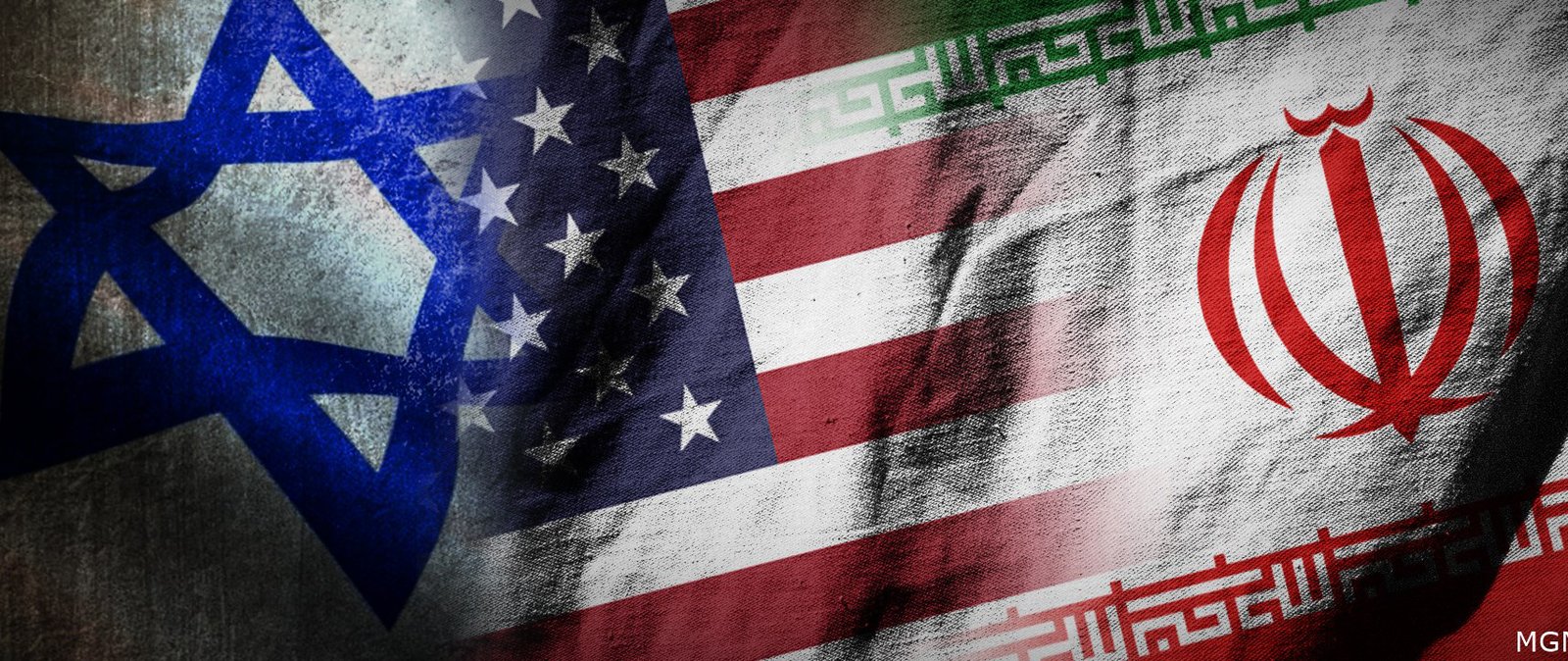
The geopolitical story of 2025 has been shaped by two defining forces. One is the return of Donald Trump to the White House and the transactional style of American power that came with him. The other is the continuing catastrophe in Gaza and the profound regional and global consequences flowing from it. Together, they have accelerated the erosion of a world order that emerged from the ruins of twentieth-century wars and was sustained for decades by rules, institutions and shared assumptions. That order has not collapsed, but it is clearly being reshaped, perhaps permanently.
As the second Trump presidency approaches its first full year, allies in Europe and the Middle East have been forced to adapt quickly. The familiar language of values-driven diplomacy has been replaced by something far more direct and unpredictable. The “art of the deal,” once dismissed as campaign rhetoric, has become an operating principle of global politics. It may be uncomfortable, even distasteful, to many, but it now defines how power is exercised and how outcomes are negotiated.
The early signal of this shift came with Washington’s unilateral adjustment of trade tariffs at the start of the year. The formula behind the changes was opaque, but that hardly mattered. The message was clear. Outcomes would not be determined by established frameworks but by how far partners were willing or able to meet presidential demands. This approach proved to be a preview of the wider diplomatic reality that followed.
Nowhere has this transformation been more visible or more devastating than in Gaza. The events that began on October 7, 2023, marked a comprehensive failure of decades of traditional diplomacy. Long-standing efforts had neither delivered Palestinian self-determination nor guaranteed Israeli security. What followed was not resolution but escalation, culminating in destruction on a scale that shocked the world. Gaza has been reduced to ruins, hundreds of thousands have been killed or displaced, and Israel’s global standing has suffered severe damage.
Trump’s response to Gaza reflected his governing instincts. Proposals that once seemed unthinkable, including the much-criticized “Riviera” plan, were placed on the table. Later came a ceasefire push, the idea of a Board of Peace and a structured roadmap forward. Critics questioned the substance and morality of these initiatives, but Trump’s implicit challenge to the diplomatic establishment was blunt. If the old methods failed so completely, what credible alternatives remained?
In a deliberate irony, Trump chose to anchor parts of his Gaza plan in a UN Security Council resolution, an institution he has often treated with disdain. For many observers, this symbolized the paradox of the moment. A leader skeptical of multilateralism was still able to use its structures when it suited his objectives, underscoring that the old order, while weakened, remains available for strategic use.
The consequences of Gaza have extended far beyond the conflict zone. Traditional allies of Israel, including several European states, have recognized Palestine as a state, prompting fierce backlash from Tel Aviv. For much of the Global South, the reluctance of Western governments to clearly condemn Israel’s conduct or to fully support international legal mechanisms has reinforced long-standing accusations of double standards. This perception has damaged Western credibility in forums far removed from the Middle East and is likely to have lasting effects.
Yet not all relationships have fractured. Arab states that normalized ties with Israel under the Abraham Accords have not withdrawn, despite intense public anger across the region. Strategic calculations have prevailed over emotion. The vision of a reconfigured Middle East, where Israel’s technological and economic strengths are integrated into the region, remains attractive to many governments. Still, this endurance should not be mistaken for complacency. The failure to adequately address Palestinian rights is now widely recognized as a critical flaw that cannot be repeated.
Saudi Arabia’s position has become particularly significant. Riyadh has shown little willingness to move toward normalization without a clear and credible pathway to a Palestinian state. Combined with unusually sharp criticism of Israeli actions from some Abraham Accords states, this stance suggests that future regional arrangements will place the Palestinian issue back at their core.
Predictions that Western influence would rapidly decline after October 7 have only partially materialized. Europe has struggled to assert itself effectively, divided internally and constrained by limited leverage. The United States, however, has reasserted its central role, at least for now. Ironically, one of the most consequential moments in this renewed American engagement came not from Washington but from Israel’s September 9 attack on mediation efforts in Doha. This act reportedly enraged Trump and catalyzed his determination to force an end to Prime Minister Benjamin Netanyahu’s war in Gaza, marking a rare and meaningful rupture in US-Israel relations.
This shift has been reinforced by changing sentiments within Trump’s own political base, where unquestioning support for Israel is no longer universal. While this does not guarantee a permanent realignment, it does suggest that the old certainties can no longer be taken for granted.
Regional actors, particularly in the Gulf, have also undergone a transformation. Once dependent on external protection, they have moved through phases of agency toward genuine leadership. They are unwilling to return to a posture of passivity. Iranian reprisals, the attack on Doha’s mediation role, and the wider instability have underscored a harsh reality. No state in the region is immune from sudden aggression, and no lasting peace is possible without addressing the root causes of conflict.
This brings the idea of a “grand bargain” back into focus. Gaza’s devastation, Iran’s altered position, the fall of the Assad regime and the weakening of Hezbollah all present both risks and opportunities. The danger of fragmentation, militia resurgence and renewed violence is real. Yet so is the possibility of reshaping the regional order in a way that prioritizes state stability and collective security. For leaders willing to act, the incentive is clear. Delivering such a breakthrough would almost certainly command Trump’s attention and engagement.
If stability is not achieved, alternative partnerships will struggle to deliver results. European initiatives like the Pact for the Mediterranean have been met with skepticism, burdened by a history of unmet promises. Even so, projects such as the India-Middle East-Europe Economic Corridor represent sincere efforts to link energy, technology and connectivity. China, meanwhile, continues to deepen its footprint, with a second China-Arab States Summit planned for 2026, reinforcing Beijing’s role in energy, finance and infrastructure.
The Gulf’s economic potential is immense. Rising GDP and consumer spending make the region globally attractive. But all of this prosperity remains vulnerable if security collapses.
Gaza stands as a brutal reminder of what happens when unresolved issues are merely managed rather than confronted. History suggests that postponement carries its own costs, often paid in human lives. Against long odds, there is still a chance that 2026 could mark a turn toward decisive action rather than another chapter in a long record of missed opportunities. Whether leaders seize that chance will define not only the region’s future but the shape of the emerging world order itself.