
Mudassir Rizwan
Pakistan enters 2026 with problems it has long recognized but repeatedly failed to resolve. Three alarm bells are ringing loudly, resurgent terrorism, economic fragility, and the steady squeeze on fundamental rights. These are not new problems, what is new is the growing sense that the state treats each as a problem to be managed rather than solved, and this approach is becoming increasingly unaffordable.
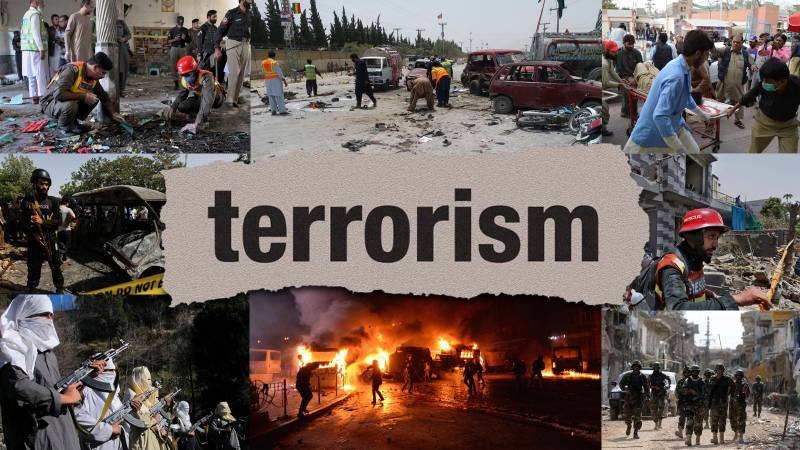
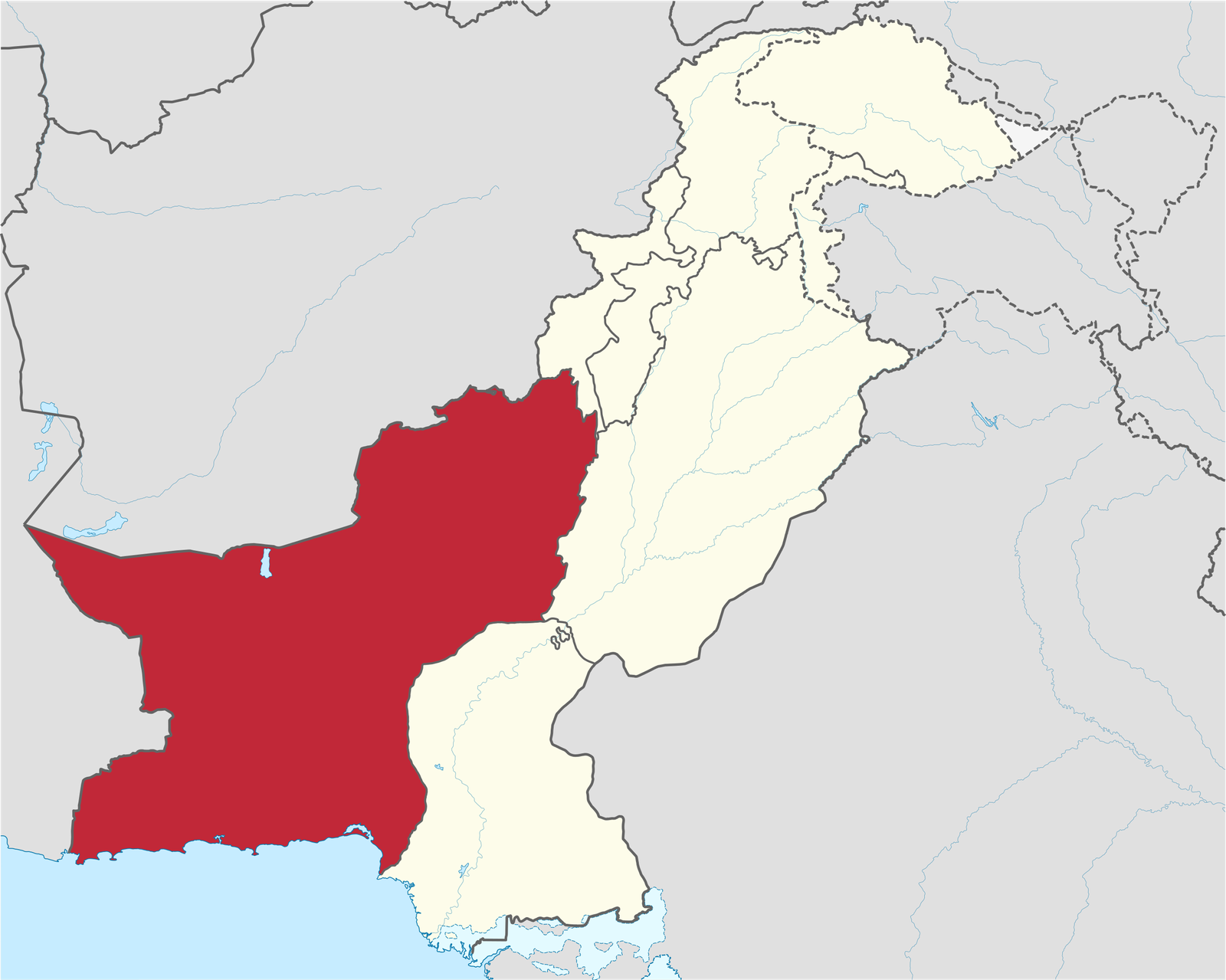
Terrorism remains the most immediate danger. Suicide bombings on police and security installations in Bannu and North Waziristan, the deadly blast near Islamabad district courts, and continuing violence in Balochistan show that terrorist networks remain capable and dangerous. Violence is no longer geographically contained, nor confined to symbolic targets. Yet counterterrorism focuses on force rather than reform. Policing capacity, prosecution, local governance, and political engagement in conflict-affected districts remain weak. Unless these gaps are addressed, 2026 risks being another year in which attacks are condemned, investigations announced, but root causes ignored. Security policy must combine enforcement with judicial efficiency, intelligence sharing, and local governance reforms.
The economy presents a slower-burning crisis. The sale of a majority stake in PIA was celebrated as a breakthrough after decades of delay. It also shows how rare decisive action has become. One transaction cannot replace the harder work of broadening the tax net, reforming loss-making state enterprises, and building credibility through predictable policy. Without these reforms, Pakistan risks repeating cycles of short-term fixes, periodic external support, and long periods of stagnation. Economic confidence depends on clarity, consistency, and fair implementation of policy decisions.
The most corrosive issue is the narrowing of civic space. Internet shutdowns, restrictions on public assembly, pressure on journalists, and legal action against dissenting voices have become routine. Media outlets face censorship, digital platforms are blocked, and human rights organizations report intimidation and obstruction. Such measures may silence criticism temporarily, but they weaken accountability, deepen public mistrust, and alienate younger citizens who are already skeptical of political institutions. A state that relies on control rather than consent undermines its own legitimacy and invites instability.
Institutions will matter greatly in 2026. Parliament must reclaim its role as a forum for debate where laws are scrutinized before enforcement, not justified after the fact, and committees should function without pressure or haste. The judiciary must demonstrate consistency and independence, upholding due process without fear or favor. Security policy must rest under civilian authority and not permanent emergency. Economic governance must be predictable and equally applied to restore confidence.
A shift in mindset is required. Pakistan has repeatedly tried control through coercion and emergency measures. Stability achieved through force is fragile and short-lived. Governance must rely on transparency, institutions, and engagement. Terrorism, economic fragility, and civic space require coordinated and long-term strategies. Counterterrorism must be proactive, not only reactive. Economic revival must go beyond isolated privatization to structural reforms. Civic space must expand to allow dissent and accountability without fear.
Success depends on political will and institutional resilience. Leaders must manage complexity without relying solely on reactive measures. Citizens must be engaged as active participants rather than passive subjects. Governance that is participatory, transparent, and accountable strengthens the state and addresses root causes effectively.
Pakistan faces intertwined problems that reflect structural weaknesses. 2026 offers a chance to shift from managing crises to governance, from control to reform. Security, prosperity, and rights must be reconciled. The choice is clear, continue temporary fixes, or embrace governance that restores trust and strengthens institutions. Resilience will be tested by threats, economic shocks, and civic expectations. Governance, not control, must guide Pakistan in 2026.