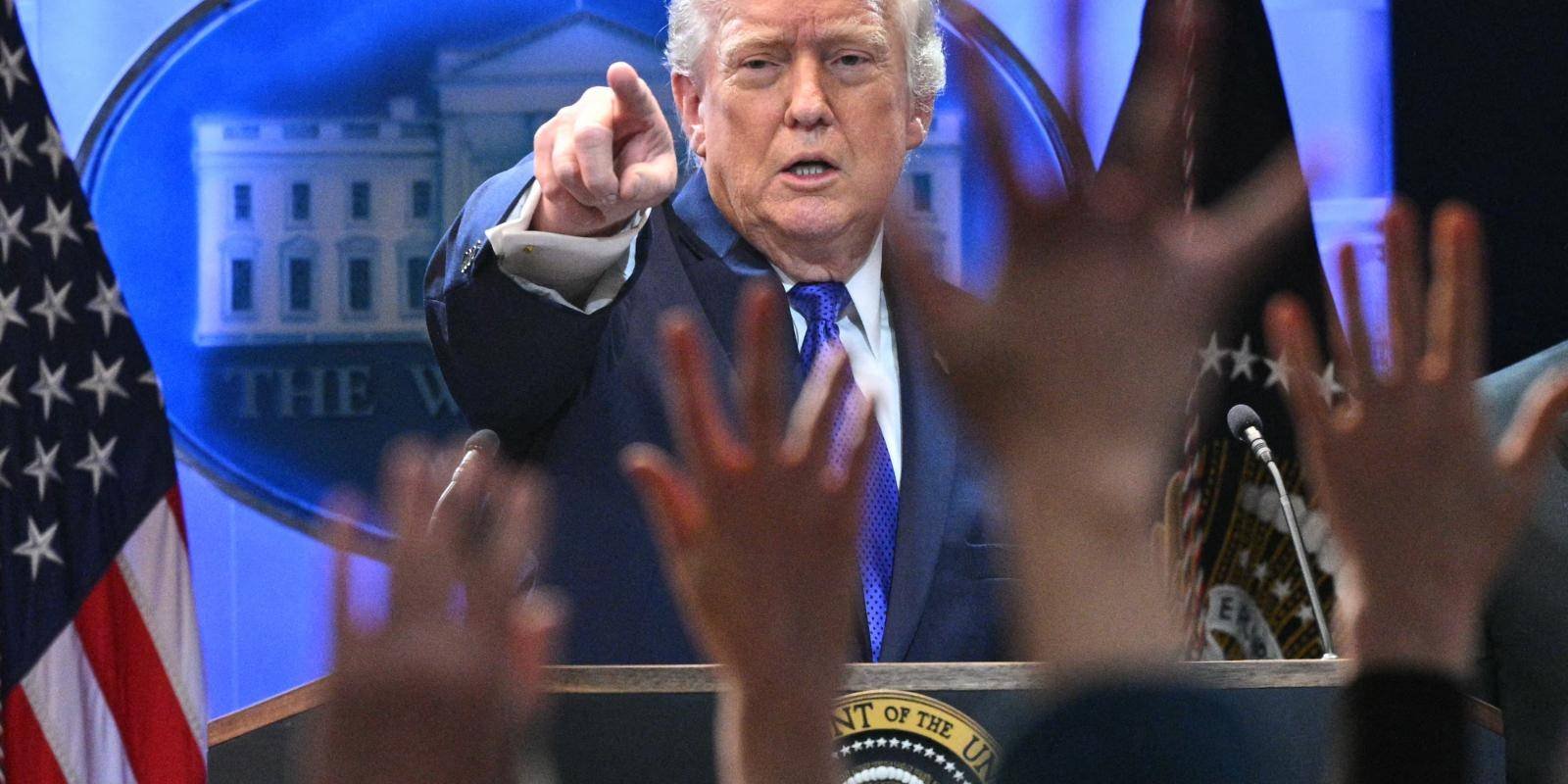
In a surprise statement on Monday, United States President Donald Trump announced that Iran and Israel had agreed to a “complete and total” ceasefire, which he claimed would take effect within hours. However, neither Tehran nor Tel Aviv has confirmed the existence of such an agreement, and active hostilities appear to be ongoing on the ground.
Trump’s declaration followed closely on the heels of an Iranian missile attack targeting the Al Udeid Air Base in Qatar, home to U.S. forces. Despite the strike, Trump remained optimistic, hailing the supposed ceasefire as a diplomatic breakthrough.
“On the assumption that everything works as it should, which it will, I would like to congratulate both countries, Israel and Iran, on having the stamina, courage, and intelligence to end what should be called ‘THE 12 DAY WAR,’” Trump wrote on social media. He added, “This is a war that could have gone on for years, and destroyed the entire Middle East—but it didn’t, and never will.”
Trump concluded his post with a sweeping blessing: “God bless Israel, God bless Iran, God bless the Middle East, God bless the United States of America, and GOD BLESS THE WORLD!”
Despite the dramatic tone, there remains no official confirmation from either Iran or Israel. On the contrary, reports from Tehran suggest that explosions and air defense operations continued shortly after Trump’s announcement.
Al Jazeera’s Tehran correspondent, Tohid Asadi, reported that just minutes after the announcement, Iran’s air defenses were visibly engaged in intercepting incoming threats, signaling that Israeli airstrikes were still underway. “So the reality on the ground is that we are witnessing the continuation of Israeli strikes,” Asadi said, warning of further Iranian retaliation.
Middle East analyst Omar Rahman expressed skepticism over Trump’s announcement, noting that key details were absent. He raised concerns that the ceasefire claim could be politically motivated and strategically ambiguous. Rahman also warned that any final Israeli strike—especially one targeting high-profile Iranian leadership, such as Supreme Leader Ayatollah Ali Khamenei—could unravel any fragile truce.
“Would the war suddenly end if Israel assassinated Khamenei as a final move? Of course not,” Rahman said. He also referenced Trump’s earlier posturing, highlighting inconsistencies in the U.S. response—initially hesitating to join Israel’s offensive, only to strike Iran days later.
Israel’s initial air offensive began on June 13, killing several Iranian generals and hundreds of others in what it called “preemptive” strikes against Iran’s nuclear and missile programs. Iran responded forcefully, launching waves of missiles into Israel, causing significant damage and casualties.
The situation escalated further when, on Saturday, Trump authorized targeted U.S. airstrikes on three Iranian nuclear sites. In response, Iran retaliated with a missile barrage at Al Udeid Air Base on Monday—an attack Trump dismissed as “weak,” implying no significant U.S. response was planned.
Analysts believe the U.S. now faces the challenge of converting recent military actions into sustainable diplomatic gains. Speaking to Al Jazeera Arabic, scholar Liqaa Maki argued that while Iran’s nuclear capabilities have likely suffered setbacks, the regime retains critical knowledge and enriched uranium stockpiles.
“In two to three years, Iran could resume its nuclear activities without inspections,” Maki warned. “They might even develop a nuclear weapon undetected.”
Despite Trump’s celebratory tone, the situation remains fluid. Iranian officials have not endorsed the ceasefire narrative, and military activity persists across the region. Without formal acknowledgment or structured diplomatic negotiations, observers remain cautious.
For now, the world watches and waits. The supposed end to what Trump called “The 12 Day War” could just as easily mark an uneasy pause—one that might unravel if provocation, miscalculation, or political ambitions take precedence over peace.