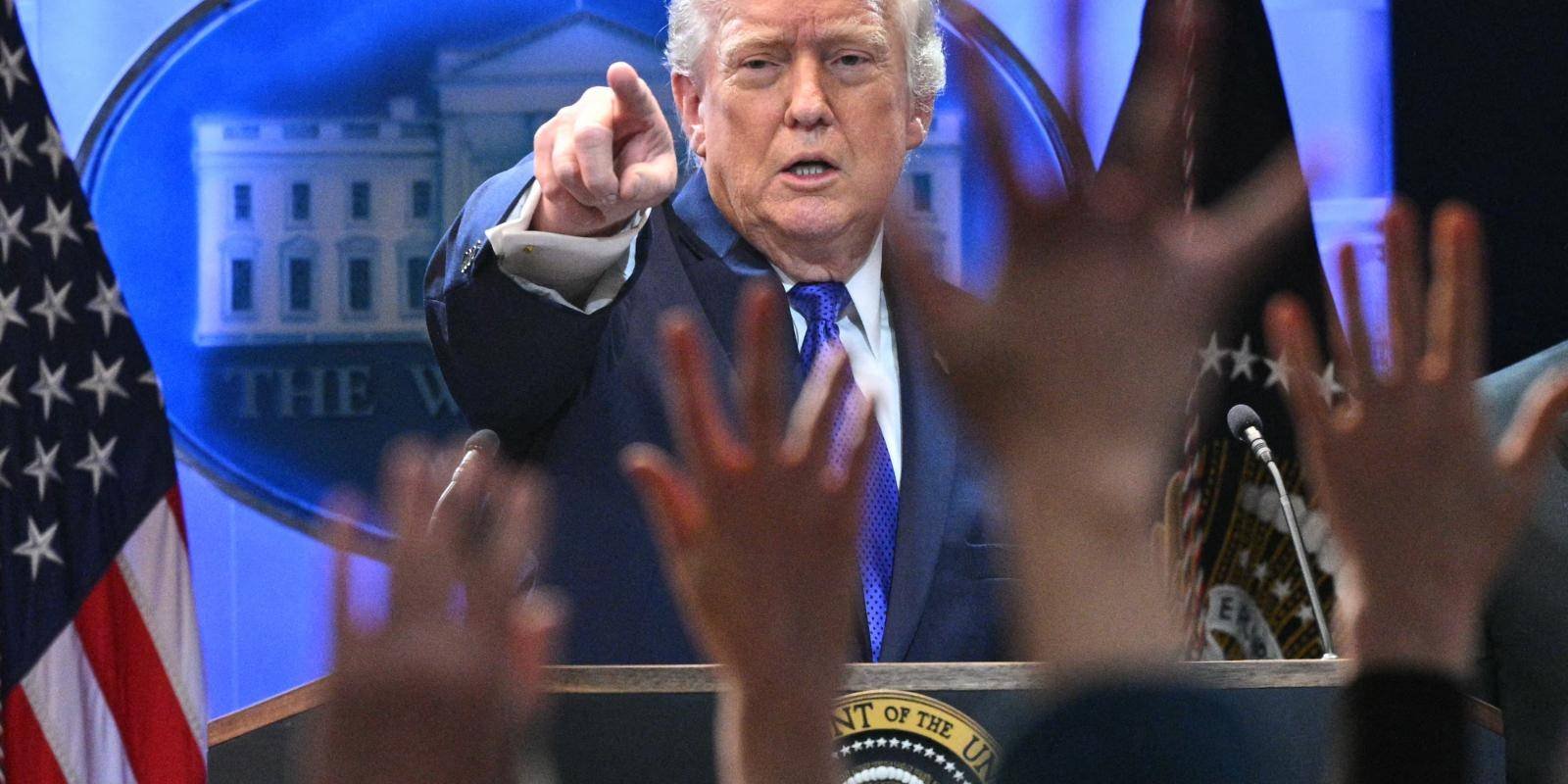
In a high-stakes diplomatic move, U.S. President Donald Trump met Israeli Prime Minister Benjamin Netanyahu twice in 24 hours at the White House to push forward a possible Gaza ceasefire, amid escalating violence that has left at least 95 more Palestinians dead in recent Israeli strikes. The latest, unscheduled meeting—held behind closed doors with no media presence—lasted just over an hour, signaling urgency but also uncertainty surrounding the negotiations.
Trump confirmed the Gaza conflict was the exclusive focus of their Tuesday talks, calling the situation a “tragedy” and asserting that “we gotta get that solved.” However, the tightly sealed nature of the meeting raised questions about whether real progress was achieved. Al Jazeera’s correspondent in Washington, Mike Hanna, noted that the secrecy surrounding the talks and the absence of an official readout may reflect serious complications. “There’s something clouding the optimism both leaders expressed earlier,” he observed.
Just hours before the Trump-Netanyahu meeting, Steve Witkoff, Trump’s special envoy to the Middle East, told reporters that a ceasefire deal was “close,” potentially within reach by the end of the week. He revealed that only one major issue remained unresolved between Israel and Hamas, down from four earlier. According to Witkoff, the proposed 60-day ceasefire would include the release of ten live and nine deceased hostages.
But shortly after Witkoff’s hopeful remarks, Netanyahu told Republican lawmakers that Israel’s military operation in Gaza was far from over. He emphasized that any ceasefire agreement would not deter Israel from completing its military objectives—including the destruction of Hamas and the recovery of all hostages.
According to Israeli media reports, Netanyahu is facing mounting pressure from Trump to reach a ceasefire deal, despite his public insistence that Israel must continue its military campaign. The friction between the two allies reflects broader strategic disagreements, particularly over Israel’s post-war plans for Gaza.
Nour Odeh, reporting from Amman, said Netanyahu’s team is reportedly dragging its feet on ceasefire negotiations due to unresolved questions about troop deployment. Specifically, Israel insists on maintaining military control over Rafah in southern Gaza. Israeli Defense Minister Yoav Gallant has reportedly endorsed a plan to build a massive tent city in Rafah, where Palestinians would be forcibly relocated, monitored, and eventually pushed out of Gaza altogether. Critics argue this is a veiled attempt to implement Trump’s so-called “Gaza depopulation” strategy—a plan seen by many as ethnic cleansing.
The proposed plan involves relocating 600,000 Palestinians to Rafah as a first step, followed by the removal of the rest of Gaza’s 2.1 million residents. Analysts and rights advocates have slammed the move as a violation of international law. Annelle Sheline, a research fellow at the Quincy Institute, compared the proposed tent cities to “concentration camps,” warning that the Trump administration is unlikely to challenge the Israeli plan. She criticized Trump’s failure to explicitly reject the forced transfer of civilians, noting his tendency to surround himself with loyalists unwilling to oppose such controversial policies. “If Trump facilitates or even passively allows this plan to proceed, it would constitute complicity in crimes against humanity,” Sheline said, adding that the U.S. could face international condemnation.
Despite rising global scrutiny, Trump has continued to publicly support Netanyahu—even criticizing Israeli prosecutors handling the Prime Minister’s ongoing corruption trial. Netanyahu, who faces charges of bribery, fraud, and breach of trust (which he denies), has reciprocated Trump’s loyalty, praising the U.S. President for fostering the strongest-ever U.S.-Israel alliance and even nominating him for the Nobel Peace Prize.
Meanwhile, the humanitarian crisis in Gaza deepens. Since the conflict escalated in October 2023, Israel’s military campaign has killed at least 57,575 Palestinians and wounded over 136,000, according to UN estimates. Nearly half a million people are on the brink of famine, and most of the population has been displaced. The devastation has overwhelmed aid agencies and triggered global outrage.
In contrast, 1,139 Israelis were killed during the Hamas-led attacks on October 7, and more than 200 hostages were taken. Today, around 50 captives remain in Gaza, with 20 believed to be alive.
The Trump-Netanyahu meetings reveal a delicate balancing act between diplomacy and military ambition. While U.S. envoys signal hope for a ceasefire, Israel’s actions on the ground and its controversial plans for Gaza raise red flags about long-term intentions. As negotiations continue, the world watches anxiously—aware that the outcome may not only shape the future of Gaza, but redefine America’s role in the Middle East.