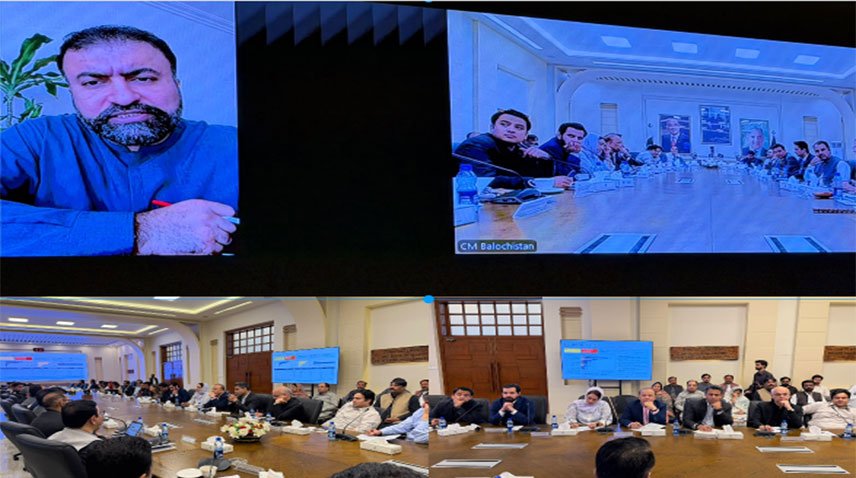
Prime Minister Shehbaz Sharif has announced a broad set of reforms aimed at reviving Pakistan’s struggling agriculture sector, starting with better credit access for farmers and the introduction of a public-private partnership model for agricultural financing.
During a series of high-level meetings on Wednesday focused on agricultural development, the prime minister emphasized the urgent need to reform the state-owned Zarai Taraqiati Bank Limited (ZTBL). The goal, he said, is to make agricultural loans more transparent, efficient, and accessible for farmers across the country.
Sharif confirmed that agricultural projects will be given top priority under the new Public Sector Development Programme (PSDP), which began in July. Key areas of focus include mechanisation, digitisation, and the creation of a more business-friendly environment for rural communities. These measures are intended to boost farm productivity, lower input costs, and improve rural livelihoods.
“Sustainable reforms in agriculture will strengthen the national economy,” Sharif told the participants, noting that the reforms would go beyond crop farming to include the livestock sector. He stressed that both federal and provincial governments will collaborate closely to implement these changes.
He also announced plans to develop a comprehensive national strategy in partnership with provincial governments. This strategy will incorporate agricultural zoning and value chain development to align Pakistan’s agriculture sector with international standards and increase exports.
Sharif highlighted the importance of supporting small farmers by ensuring they have access to modern technology. He said digital platforms would soon be launched to keep farmers informed about the latest agricultural innovations and policy updates. He also called for expert input in shaping both short- and long-term agricultural strategies.
Proposals presented during the meetings included expanding storage capacity for agricultural goods, improving infrastructure, increasing productivity, and establishing a transparent regulatory framework that encourages private sector investment in agriculture.