
Imran Hafeez
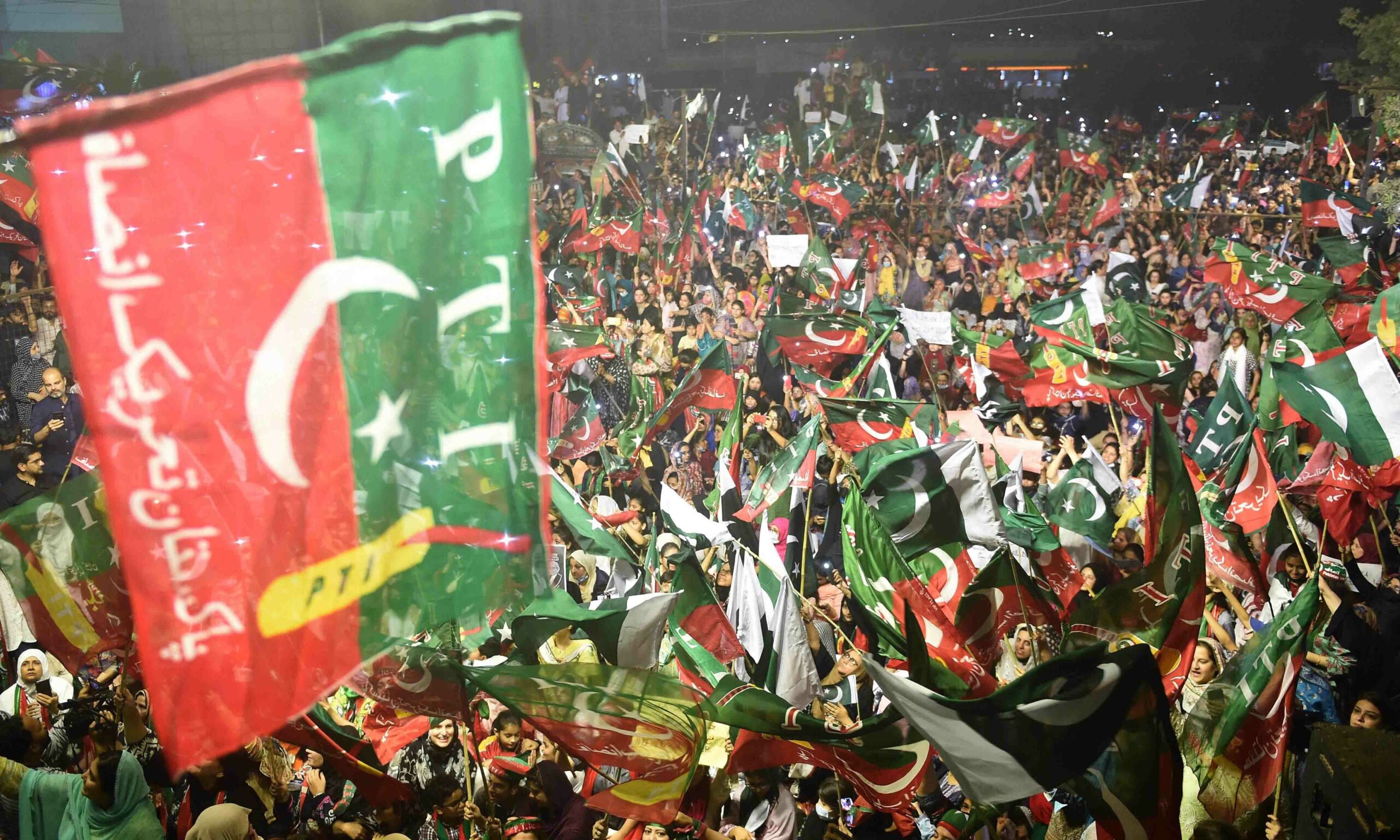
In the evolving landscape of Pakistani politics, much attention is typically paid to party leadership, electoral strategies, and legislative agendas. However, an often overlooked but profoundly significant dimension is the role and behavior of political workers—those at the grassroots who carry the ideological, communicative, and organizational burdens of their parties. A comparative analysis of political workers from Pakistan’s major parties—Pakistan Muslim League-Nawaz (PML-N), Pakistan Peoples Party (PPP), and Pakistan Tehreek-e-Insaf (PTI)—reveals striking differences in motivation, participation, and democratic engagement. Notably, PTI’s workers represent a transformative and arguably more democratic political culture.
Historically, both PML-N and PPP have operated within highly centralized, dynastic frameworks. Their political operations have long been characterized by a top-down leadership style that discourages internal dissent. Workers are often loyal to personalities rather than principles, and their allegiance is frequently transactional—based on access to power, jobs, or local patronage. Dissent, where it exists, is perceived as rebellion. The political worker is expected to conform, not critique.
In contrast, PTI workers—especially in the past decade—have emerged as ideologically driven participants. Their commitment to the party is rooted not merely in loyalty to leadership but in a belief in reformist, anti-status quo politics. While PTI’s internal structure is not devoid of hierarchy or personality cults, the party’s worker base tends to be more vocal, critical, and engaged in shaping discourse. This dynamic lends PTI a more democratic and participatory flavor.
One of the most striking differences is the approach to intra-party decision-making. In PPP and PML-N, the decision-making process is largely confined to the party elite. Workers are informed, not consulted. Conversely, PTI workers—through social media, protests, and community forums—assert influence over party narratives and occasionally challenge even top leadership decisions. This pattern has introduced an element of bottom-up pressure that is rare in Pakistani political parties.
The resilience of PTI’s worker base in the face of state repression further underscores their ideological commitment. Over the past few years, PTI workers have endured arrests, police brutality, legal persecution, and media blackouts. Yet, they have persisted. This endurance is not unlike the PPP of the 1980s, when it resisted the dictatorship of General Zia-ul-Haq. However, after the death of Benazir Bhutto, PPP’s ideological base gradually eroded, replaced by a more transactional politics. Today, the average PPP worker is less a crusader for democracy and more a functionary of political survival.
The PTI worker’s defining trait is political consciousness. These workers engage not only in party-specific matters but also participate in broader debates on constitutional rights, judicial reform, civil liberties, and governance. Many of them are young, urban, educated, and digitally literate, which enables them to bypass traditional gatekeepers and connect directly with national and global discourses. They are not passive followers; they are active contributors to political thought.
Please, subscribe to the YouTube channel of republicpolicy.com
This is a departure from the political culture of PML-N and PPP, where workers often echo the party line without scrutiny. In these parties, leadership decisions are seen as final, with little room for challenge or reinterpretation. The result is a stagnation of political debate and a widening gap between leadership and the grassroots.
PTI’s political culture—shaped significantly by its workers—promotes transparency, dialogue, and internal accountability. These elements are vital to any functioning democracy. While PTI as a party may have its contradictions and may even fall short of its democratic ideals at times, its worker base has introduced a new vocabulary to Pakistani politics—one that centers around agency, critique, and reform.
If sustained, this trend could have transformative effects not just for PTI, but for Pakistan’s political system as a whole. A culture where workers question, critique, and hold their leaders accountable is one where democracy is not just a slogan but a lived reality. It is through these practices that parties evolve from electoral machines into democratic institutions.
In conclusion, PTI workers are not mere supporters; they are participants in shaping the party’s political destiny. Their ideological orientation, critical engagement, and resilience in adversity make them one of the most dynamic political forces in the country today. As Pakistan navigates its turbulent political waters, such engaged citizenry could be the key to fostering a more democratic and accountable future.
—
For insightful political analysis and original content, visit: 📌 www.republicpolicy.com
#PTIWorkers #PakistaniPolitics #DemocraticCulture #PoliticalReform #RepublicPolicy