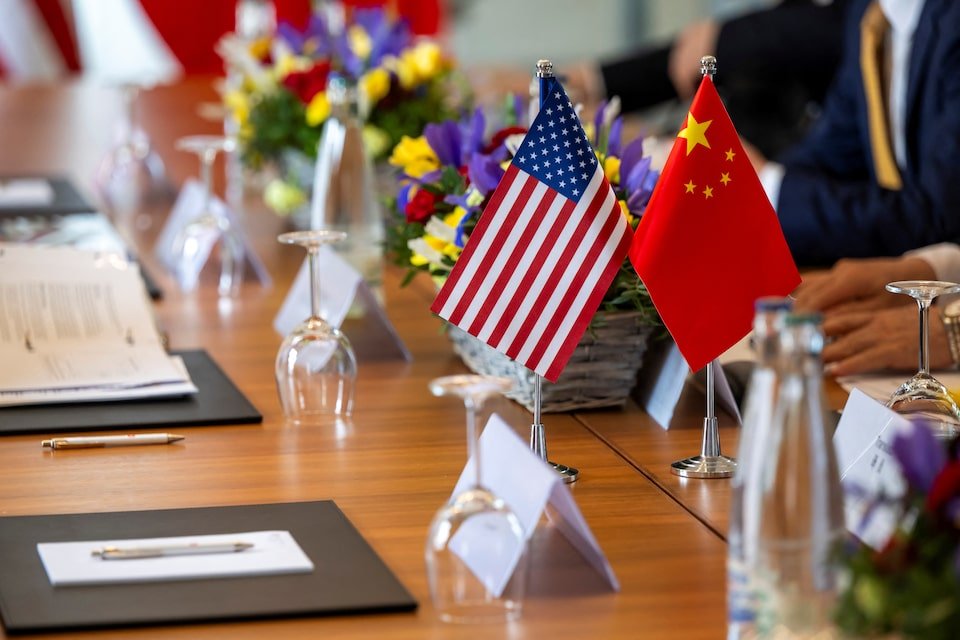

Senior economic officials from the United States and China are set to reconvene in Stockholm on Monday, hoping to resolve persistent trade disputes and extend their fragile tariff truce by another three months. The talks are crucial as China faces an August 12 deadline to reach a comprehensive tariff agreement with President Donald Trump’s administration. Without a deal, the world’s two largest economies risk reigniting a trade war that could send tariffs soaring to triple-digit levels and threaten global supply chains with renewed upheaval.
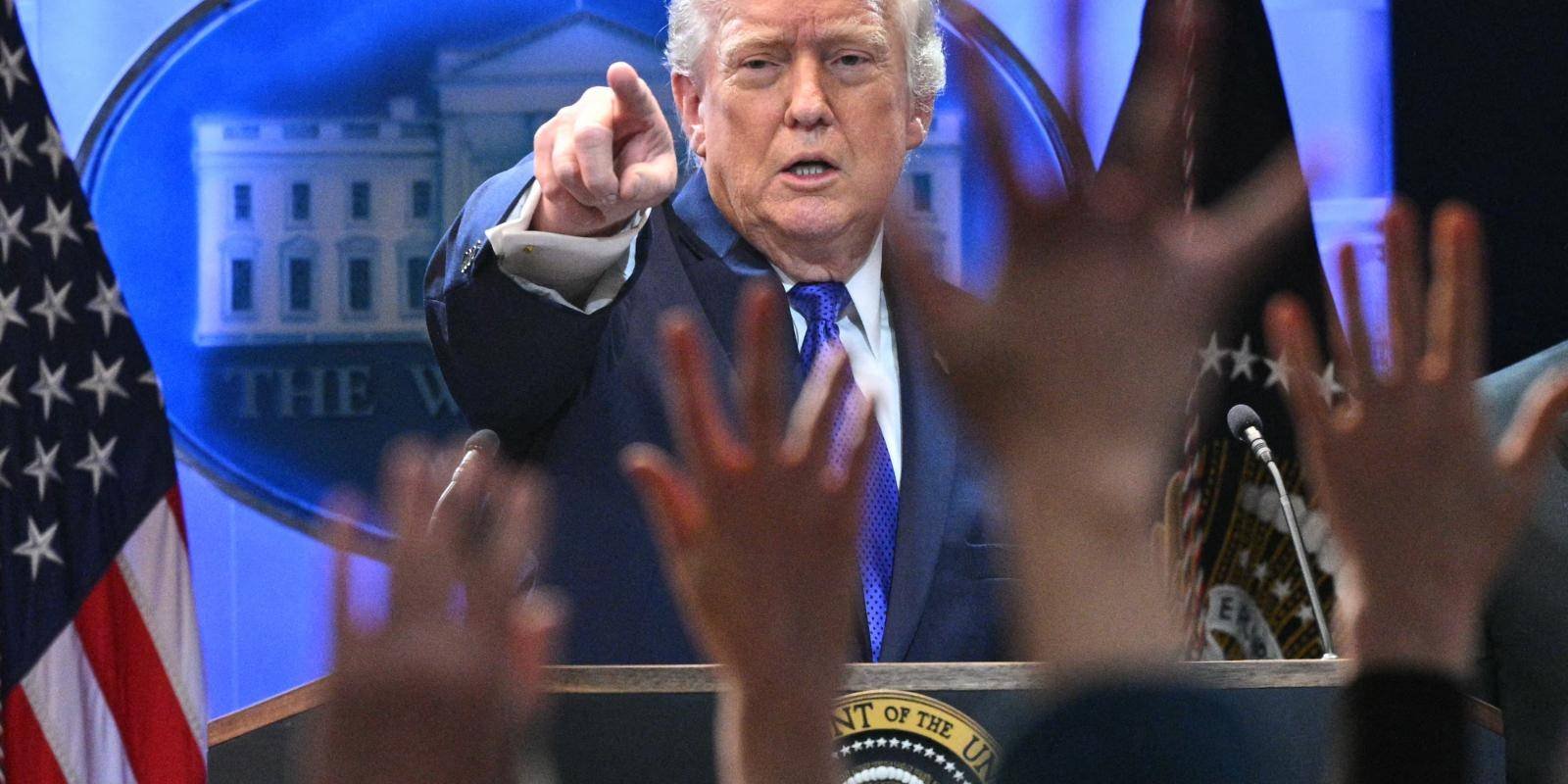
These discussions follow closely on the heels of Trump’s recent breakthrough with the European Union, which saw both sides agree to a 15% tariff on most EU goods exported to the US, alongside commitments for major energy and investment deals. However, trade analysts expect the US-China negotiations to be more complex, with hopes pinned primarily on securing another 90-day extension of the current tariff and export control truce first established in May. Such an extension would help prevent immediate escalation and buy time for a potential face-to-face meeting between President Trump and Chinese President Xi Jinping later this year.
While neither side has confirmed reports of a new 90-day pause, analysts believe a temporary extension is the most likely outcome, providing critical breathing room for businesses and policymakers alike. Trump’s administration has already outlined plans for new sector-specific tariffs targeting Chinese products such as semiconductors, pharmaceuticals, and heavy machinery—actions that could take effect within weeks if talks falter.
So far, recent rounds of US-China dialogue in Geneva and London have focused on de-escalating tit-for-tat tariffs and addressing the halted flow of rare earth minerals and high-tech goods, but have not tackled deeper issues at the root of the economic conflict. The United States continues to criticize China’s export-driven model and accuses Beijing of flooding global markets with low-cost goods, while China objects to American export controls on sensitive technology, seeing them as efforts to slow its economic rise.
Analysts emphasize that the US-China dispute is significantly more complicated than recent US agreements with other Asian nations. China’s dominance in the global rare earth minerals market, which supplies key components for everything from military technology to electric vehicles, gives Beijing considerable leverage in these talks. US Treasury Secretary Scott Bessent has signaled a willingness to extend negotiations, reiterating long-standing calls for China to rebalance its economy toward greater domestic consumption.
Speculation is also mounting over a potential Trump-Xi summit in late October, which could mark a turning point in relations. Trump has hinted at an upcoming visit to China, but any escalation in tariffs or export restrictions could derail such plans. Experts note that both sides stand to benefit from a high-level meeting: The US could see a reduction in Chinese tariffs—particularly those on goods related to fentanyl—while China may press for eased US export controls and fulfillment of previous pledges to increase imports of American agricultural and manufactured goods.
Ultimately, the outcome of the Stockholm talks will shape the trajectory of the US-China economic relationship, with far-reaching implications for global markets. While hopes remain for a temporary extension of the tariff truce, the deep-rooted disputes and strategic rivalries between Washington and Beijing will require far more than quick fixes to resolve.