
Dr Shabana Safdar Khan
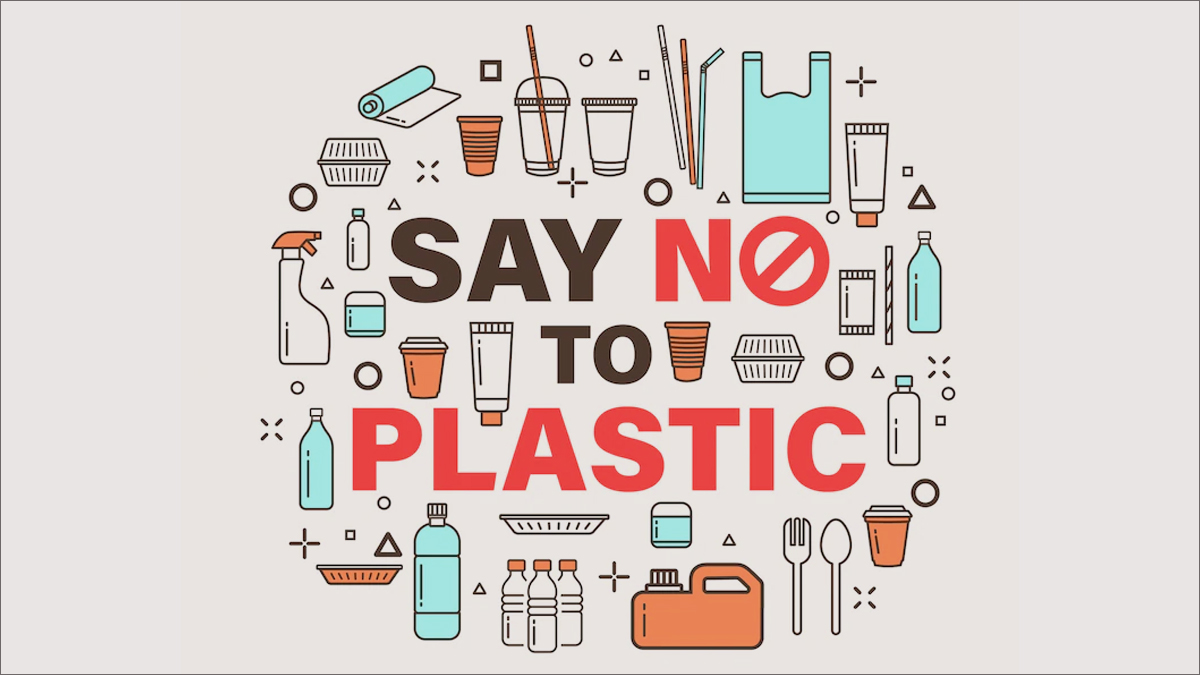
The recent failure in Geneva to secure a binding global plastics treaty has left the world grappling with an intensifying ecological disaster. Delegations from 183 countries were unable to bridge the gap between two starkly opposed camps: one advocating production caps on plastics, the other insisting that recycling and waste management alone are sufficient solutions. The stalemate means that plastic pollution continues unchecked — contaminating oceans, soils, and even human bloodstreams. For Pakistan, the meeting was an opportunity to highlight both the inequities of the crisis and the urgent need for global fairness in climate and environmental financing.
Follow Republic Policy Website
Pakistan’s delegation, led by Climate Minister Musadik Malik, took a principled stand. The minister underscored that developing nations are paying the steepest price for plastic pollution, while wealthier states — often the largest producers and consumers — enjoy the bulk of benefits from global green financing. Islamabad argued that without equitable access to funds, technology transfer, and capacity-building, the Global South cannot meaningfully contribute to the transition away from plastics. Pakistan also proposed innovative solutions, including the creation of a plastic credits market designed to support recycling industries and safeguard the livelihoods of waste workers. This vision, rooted in both environmental necessity and social justice, sought to build solidarity across the Global South.
Follow Republic Policy YouTube
Yet, while Pakistan’s voice on the international stage was both clear and courageous, the challenge lies in aligning global advocacy with domestic practice. Despite provincial decrees banning single-use plastic bags, these flimsy carriers continue to circulate openly in markets from Karachi to Peshawar. Enforcement remains weak, and consumer habits largely unchanged. Recycling remains rudimentary; waste is rarely segregated, and the burden of collection falls on poorly paid and unprotected waste pickers. This disconnect undermines Pakistan’s credibility abroad. Without serious action at home, international demands for fairness risk appearing hollow.
Follow Republic Policy Twitter
The state must therefore take urgent steps. First, it must demonstrate resolve by strictly enforcing provincial bans on plastic bags and punishing violators, both at the manufacturing and retail levels. Second, incentives for biodegradable and alternative packaging must be made accessible to businesses, creating a competitive market for sustainable materials. Third, public awareness campaigns are necessary to alter entrenched consumer behavior, demonstrating that the shift away from single-use plastics is not only environmentally responsible but also socially beneficial.
Follow Republic Policy Facebook
Moreover, Pakistan must invest heavily in proper waste management infrastructure. Garbage collection, waste segregation, and recycling systems require modernization and expansion. Encouraging innovation in packaging, supporting the growth of a viable recycling industry, and providing technological and financial support to small enterprises in the sector are essential. Importantly, Pakistan cannot ignore the vast informal workforce of waste pickers who remain the backbone of the current system. Formalizing their work, extending legal protections, and ensuring fair wages would transform them from marginalized laborers into valued partners in the fight against plastic waste.
Follow Republic Policy TikTok
At the global level, Pakistan is right to press for equitable access to climate funds and technological assistance. But the most persuasive diplomacy is rooted in example. If Pakistan demonstrates discipline in enforcing bans, promotes recycling at scale, and pioneers local solutions for sustainable packaging, it will carry far greater moral authority in negotiations. Calls for fairness from the Global South gain traction when they are backed by visible domestic commitment.
Follow Republic Policy Instagram
The plastics crisis is not abstract — it is immediate, invasive, and universal. For developing nations like Pakistan, the stakes are even higher: fragile ecosystems, weak waste infrastructure, and limited financial capacity make the costs of inaction devastating. The Geneva stalemate is a reminder that global agreements often fall victim to politics and competing interests. But it also underscores the responsibility of each state to act decisively within its own borders.
Follow Republic Policy WhatsApp Channel
In conclusion, Pakistan has a dual responsibility: to lead the call for justice abroad while proving its seriousness at home. The challenge of plastics offers an opportunity for the country to align its environmental, economic, and social priorities in a single transformative agenda. With disciplined enforcement, innovative solutions, and equitable reforms, Pakistan can demonstrate that progress is possible even in the face of global deadlock. The credibility of its advocacy depends not only on speeches in Geneva but also on the choices made in Islamabad, Lahore, Karachi, and every other city where plastic continues to choke the environment.