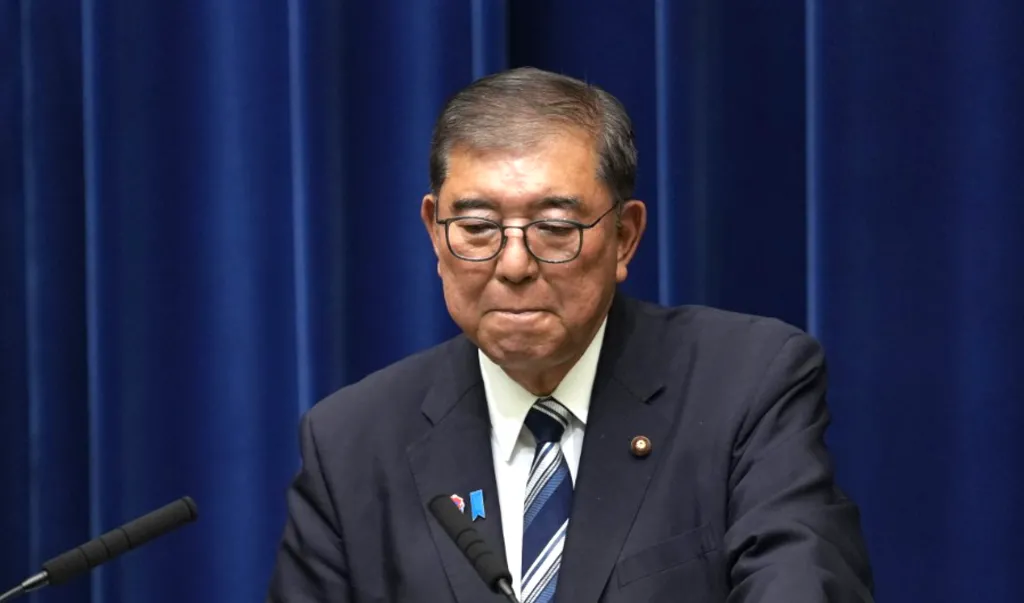

Japan’s Prime Minister Shigeru Ishiba has resigned after less than a year in office, following two devastating election losses that stripped the ruling Liberal Democratic Party (LDP) of its majority in both houses of parliament. His decision came just a day before an internal party vote was expected to remove him, making way for Japan’s third leadership change in five years.
Ishiba, who took power in 2024 after Fumio Kishida’s fall, initially resisted calls to quit, insisting he needed to steer through a trade deal with Washington. But mounting pressure from within the LDP and the scale of electoral losses forced him to bow out. Analysts noted that rather than endure public humiliation, Ishiba chose to step down voluntarily.
Attention now shifts to the October LDP leadership contest, with contenders likely to include Shinjiro Koizumi, Yoshimasa Hayashi, and Sanae Takaichi. The winner will almost certainly become prime minister, tasked with restoring public trust, managing inflation, and repairing strained ties with Washington and regional powers.
Japan’s leadership churn reflects both internal factional struggles within the LDP and growing voter disillusionment. The next prime minister faces a “poisoned chalice”: reviving a weakened party, navigating a cost-of-living crisis, and balancing relations with China, Russia, and the US. Whether any leader can break the cycle of short-lived premierships remains Japan’s pressing question.