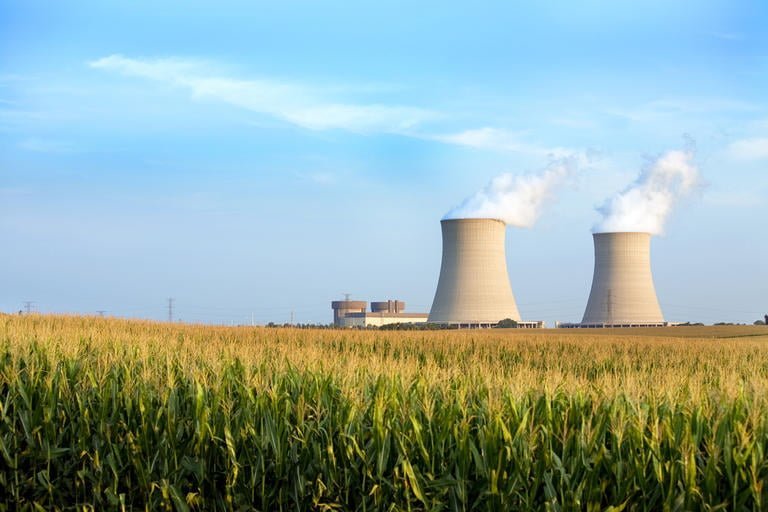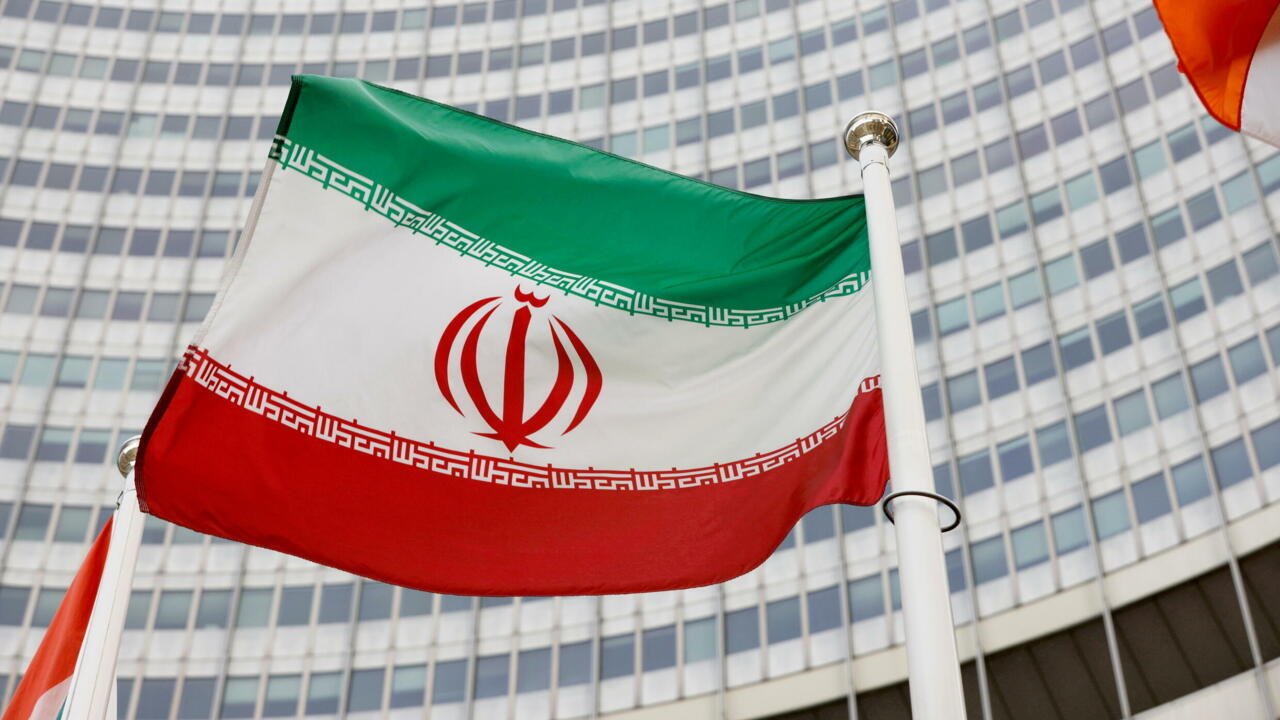

The United Nations has reimposed sweeping economic and military sanctions on Iran, a decade after they were lifted under the landmark 2015 nuclear agreement. The decision came after the UK, France, and Germany activated the “snapback” mechanism, accusing Tehran of nuclear escalation and refusing cooperation.
The sanctions follow months of tension after the US and Israel bombed Iranian nuclear sites and military bases in June. In response, Iran suspended inspections by the International Atomic Energy Agency (IAEA), calling the sanctions “unfair, unjust, and illegal.” President Masoud Pezeshkian reiterated that Iran has no intention of developing nuclear weapons but warned that sanctions jeopardize ongoing diplomacy.
The Joint Comprehensive Plan of Action (JCPOA) was meant to limit Iran’s uranium enrichment and research in exchange for sanctions relief, but the deal has been steadily eroded since Donald Trump withdrew the US in 2018. European allies insist diplomacy is not over, urging Iran to avoid escalation. Yet, Tehran rejects Western demands to hand over enriched uranium stockpiles, insisting its nuclear programme remains peaceful.
Israel welcomed the sanctions, calling them a necessary step to block Iran’s nuclear ambitions. With tensions running high, the future of nuclear diplomacy in the Middle East appears uncertain.