Shazia Ramzan
Pakistan today stands at a defining crossroads. The International Monetary Fund’s new Governance and Corruption Diagnostic Assessment has laid bare what citizens have long experienced: Pakistan’s governance crisis is not accidental, and corruption is not random. Instead, both are the predictable outcomes of decades of elite capture, political patronage and a system where rules are written not for the public good but for the benefit of a few. The IMF’s findings are a stark reminder that without deep institutional reforms, Pakistan’s economic revival will remain fragile, temporary and vulnerable to collapse.
Follow republicpolicy.com
The IMF report exposes how a select group of politically connected industrialists, landowners and business magnates have shaped Pakistan’s economic decisions for decades. Among the clearest examples is the sugar sector, which the Fund calls a textbook case of state capture. For years, sugar mill owners — many of whom simultaneously sit in parliament, cabinet or provincial assemblies — have used subsidies, favourable government policies, protective tariffs and regulatory loopholes to secure guaranteed profits. These benefits did not emerge by coincidence; they reflect a deeply entrenched nexus between powerful economic actors and state regulators.
Follow on YouTube
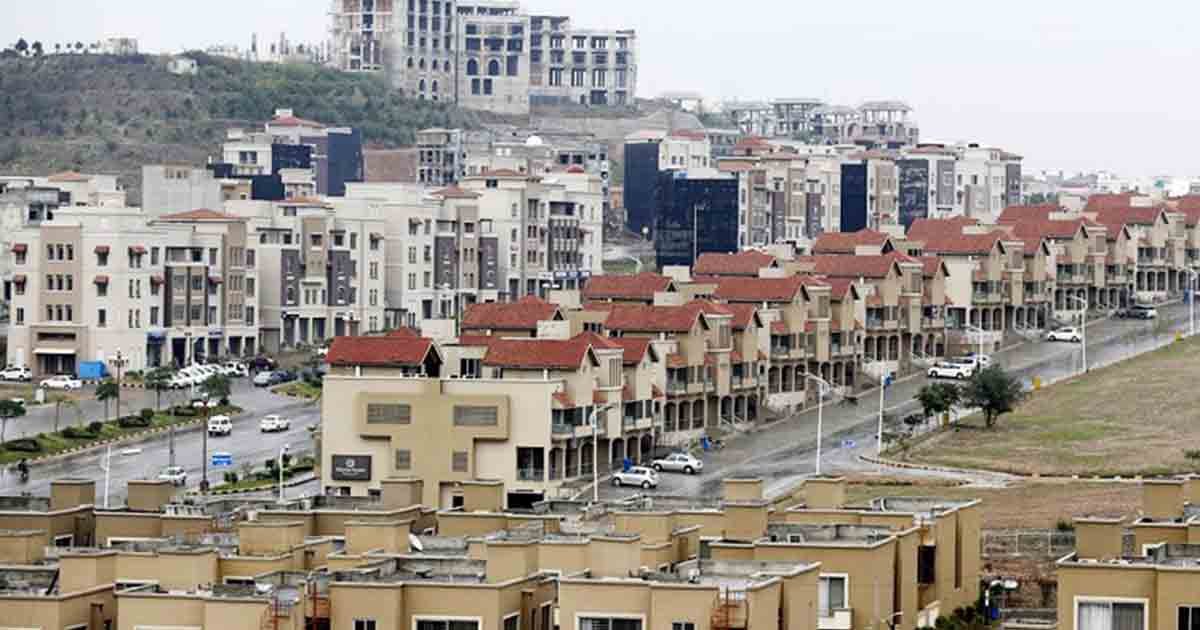
The consequences of this elite dominance are stark. In 2018–19, mill owners successfully lobbied for subsidised exports despite looming domestic shortages. As a predictable outcome, sugar prices skyrocketed inside the country, hitting millions of households. This pattern — private gains at public cost — runs across multiple sectors. Elite capture is not limited to sugar; it extends to real estate, agriculture, energy and manufacturing, each benefiting from tax exemptions and special policies that drain billions from the public treasury.
Follow on X
The IMF notes that the revenue loss from tax exemptions alone amounted to 4.61% of GDP in FY 2023 — an enormous figure for a country struggling with financial deficits, rising debt and inflation. Agricultural income remains overwhelmingly untaxed, real estate enjoys preferential arrangements, and influential groups routinely shape fiscal policy to secure their privileges. This selective enforcement of laws fuels economic inequality, suppresses competition and keeps Pakistan’s tax-to-GDP ratio among the lowest in the region.
Follow on Facebook
This is not a new phenomenon. The roots of elite dominance stretch back to colonial land policies that empowered large landowners and institutionalised inequality. After independence, instead of reforming these structures, successive governments deepened them. Political power, land ownership and economic influence fused into a single, overwhelming force that determined everything from tax policy to public investment decisions. A UNDP report in 2020 estimated that elite privilege in the corporate sector alone exceeded $4.7 billion. These distortions ensure that while millions of citizens pay indirect taxes, the wealthiest groups continue to operate with minimal accountability.
Follow on TikTok
This system has paralysed Pakistan’s ability to reform. Every attempt at broad-based tax reform, governance restructuring or anti-corruption action has collided with the political resistance of those who benefit from the existing rules. The IMF warns that unless these privileges are dismantled, Pakistan’s stabilisation efforts will repeatedly fail. The country will continue to swing between crises — inflation, debt, currency instability — without achieving sustainable growth. Elite capture is not simply a governance problem; it is a structural barrier to national progress.
Follow on Instagram
This is precisely why Pakistan needs deep and urgent governance reforms. The first pillar must be transparency. Every subsidy, tax exemption and regulatory decision should be publicly accessible and subjected to independent scrutiny. Pakistan’s opaque decision-making processes allow vested interests to operate without oversight. Transparent governance would deter abuse, strengthen accountability and restore public trust.
Follow on WhatsApp Channel
Second, Pakistan must build a merit-based governance system. From regulatory bodies to state-owned enterprises, appointments are too often guided by political considerations rather than competence. Strengthening institutions like the FBR, SECP and PPRA requires professional leadership, protected from political interference. Merit-based recruitment is essential for creating a state capable of enforcing laws fairly and resisting elite pressure.
Third, strong anti-corruption mechanisms are crucial, but they must be shielded from political misuse. Accountability institutions need independence, legal protection and professional capacity. Selective accountability has delegitimised the system; genuine reform demands fairness, transparency and consistency.
Finally, Pakistan needs a restructuring of its economic incentives. Tax policy must be broadened to include untapped sectors. Subsidies must be tied to performance, transparency and national interest — not political bargaining. A fair economic system is impossible unless all powerful groups are subject to the same rules as ordinary citizens.
The IMF’s diagnostic report is not merely a critique; it is a warning and an opportunity. Pakistan cannot achieve sustainable growth while a small group of elites captures the state. Governance reforms are not optional — they are essential for economic stability, social justice and democratic credibility. The country’s future depends on building a system where merit outweighs connections, transparency replaces secrecy and the national interest stands above elite privilege.