Editorial
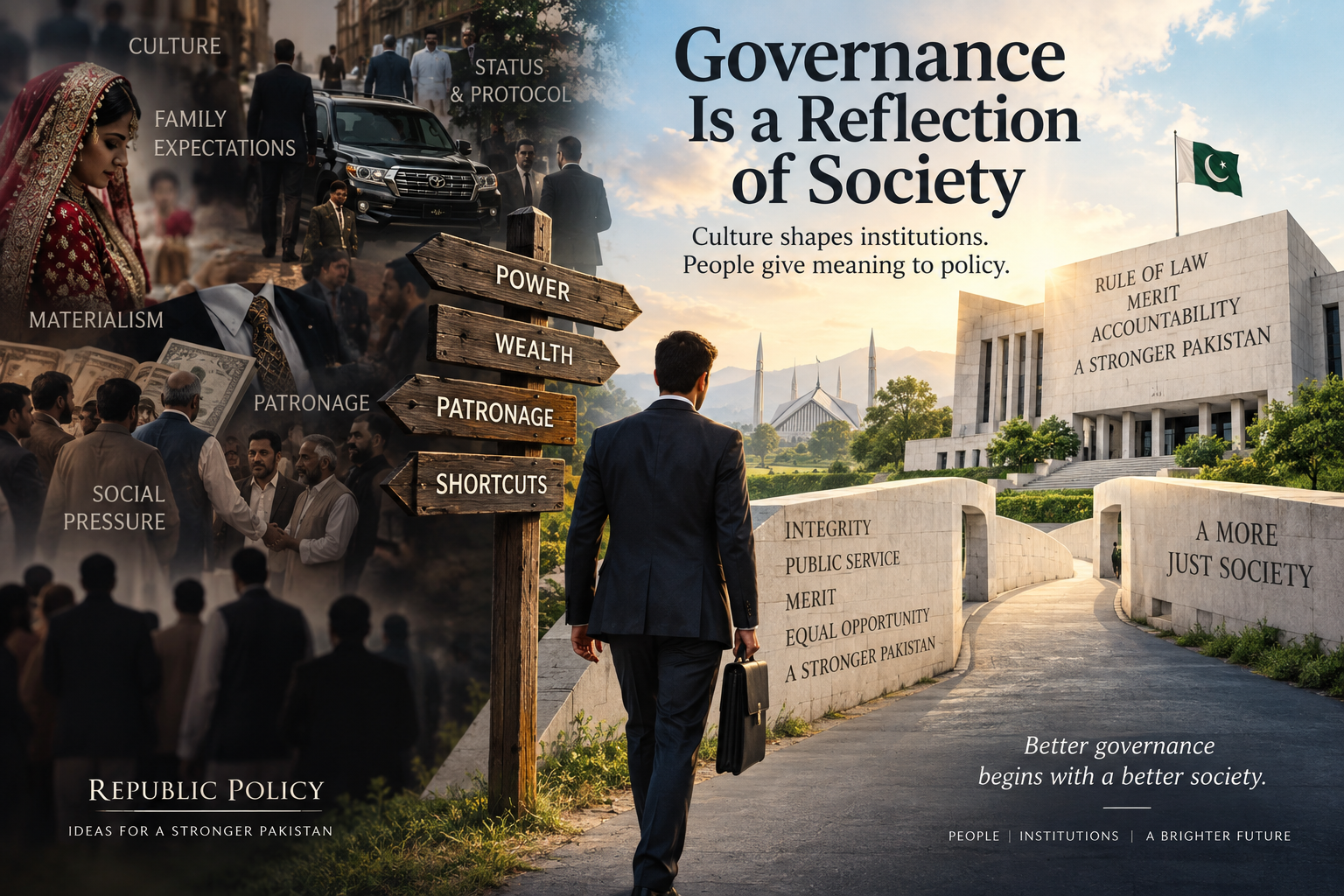
Pakistan is experiencing a deep sense of unhappiness and societal depression. Data and public feedback from different walks of life reveal a pervasive fear among citizens. Many feel trapped in a society where the rule of law is weak, justice is inaccessible, and institutions fail to address grievances. This lack of trust has created a collective anxiety that affects daily life, social cohesion, and overall national well-being.
While financial struggles and economic instability contribute to dissatisfaction, the root problem extends beyond material conditions. Citizens are living in fear and uncertainty. Public policy analysts note that this fear is not always openly discussed, yet it is widely acknowledged and affects decision-making, creativity, and personal growth. A society in fear cannot innovate, pursue dreams, or contribute meaningfully to national development.
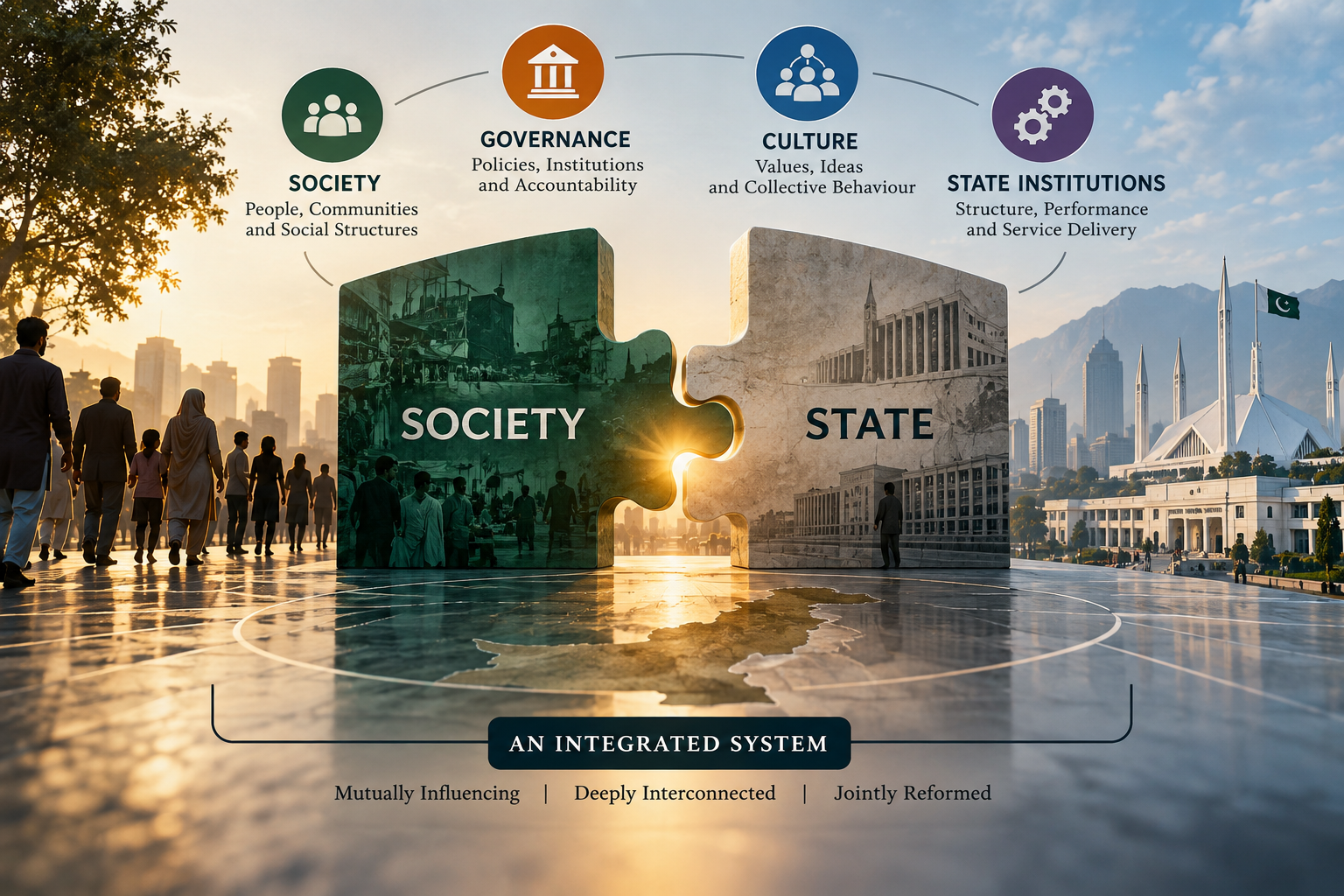
Addressing this collective societal anxiety is essential. A healthy society is one where people can freely express themselves, pursue ideas, follow their choices, and live without fear. It is only when citizens feel secure, empowered, and confident that the state itself can grow sustainably. Pakistan’s progress depends on creating such an environment where fear and distrust are replaced by trust, opportunity, and hope.
Leaders, policymakers, and stakeholders must prioritize societal well-being as a prerequisite for national growth. Open discussions, institutional reforms, and protection of individual freedoms are critical to liberate citizens from fear. Only a society that encourages creativity, freedom, and trust can develop the state, strengthen governance, and secure the future of Pakistan.