
Editorial
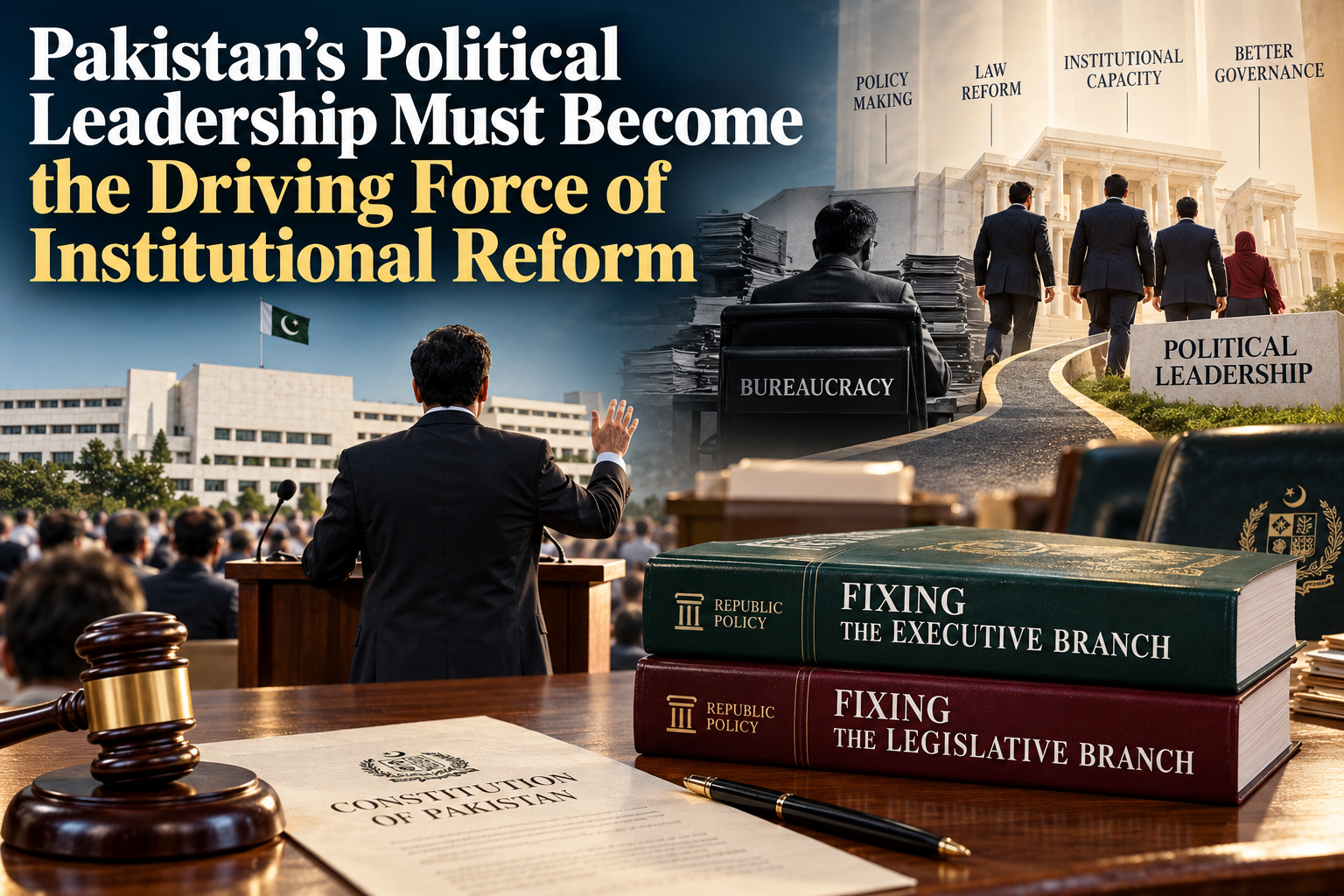
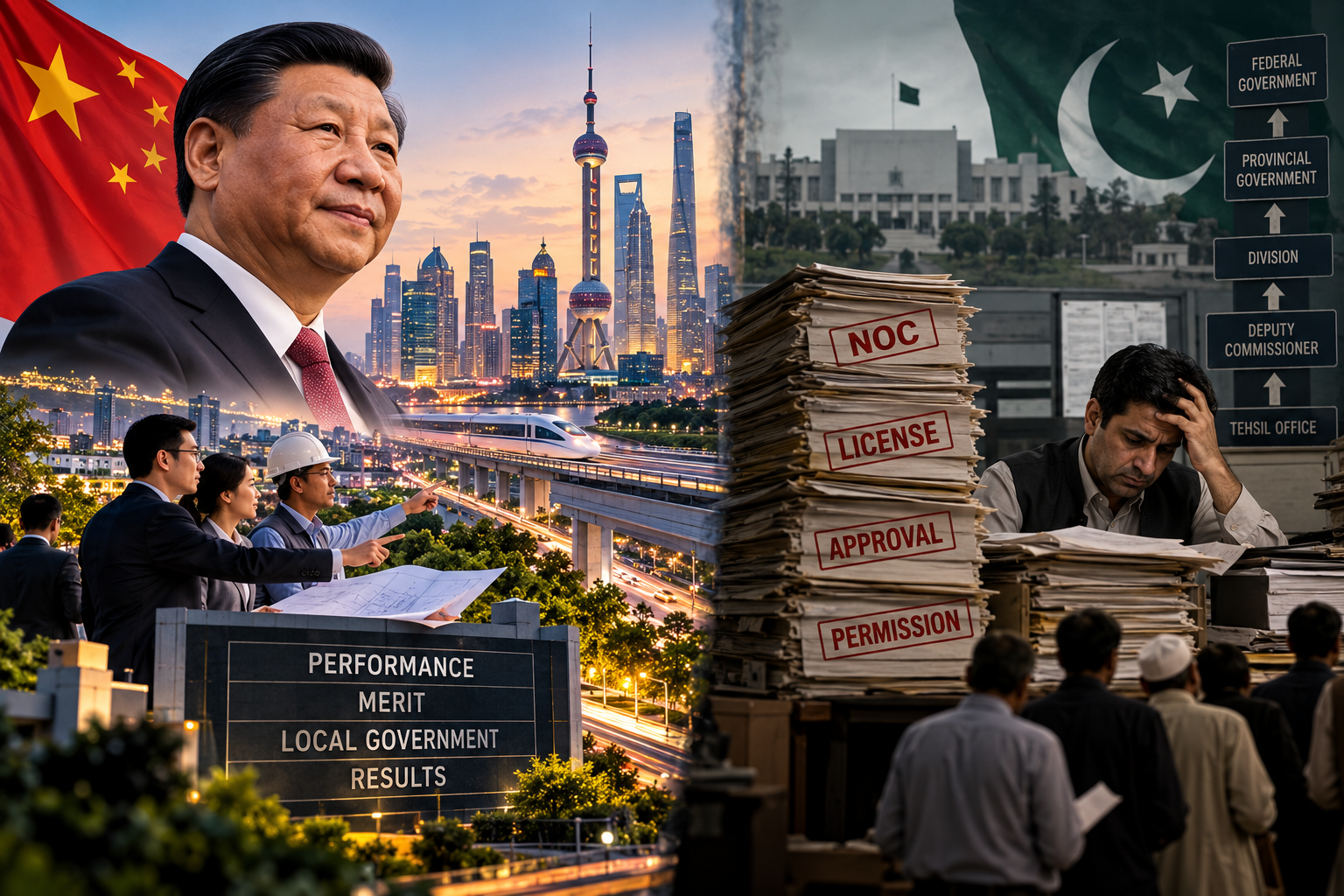
Judicial reform is undeniably critical for Pakistan, yet the debate around it often misses a more fundamental question: what is the true source of authority in a democratic system. Despite repeated discussions and controversial reform attempts, Pakistan’s institutions are still not shaped by the democratic or popular will in a meaningful way. The country continues to be driven largely by civil, military, and judicial bureaucracies, while elected politicians remain weak and constrained. Even more troubling is that empowering politicians is not widely accepted as a legitimate or necessary goal, despite the fact that citizens can only exercise collective power through their elected representatives.
In a federal parliamentary democracy, the supremacy of parliament is the cornerstone of constitutional order. Judicial reform must therefore be understood within this democratic framework. The judiciary plays a vital role in interpreting the law and protecting fundamental rights, but it should not encroach upon the domain of the legislature. When courts begin to intervene in legislative powers or political decision making, the balance of the system is disturbed, and democratic institutions fail to mature. Sustainable reform cannot come from judicial dominance but from strengthening the primary institution of democracy, the legislature.
For Pakistan, the starting point of institutional reform must be parliament itself. The legislature must function independently, assert its authority, and genuinely reflect the will of the people. Only a strong, representative parliament can create effective laws, oversee the executive, and define clear boundaries for all state institutions, including the judiciary. Seeing judicial reform through the lens of democracy means accepting a simple principle: in a parliamentary system, parliament is supreme, and all other institutions must operate within that democratic mandate.