
Masood Khalid Khan
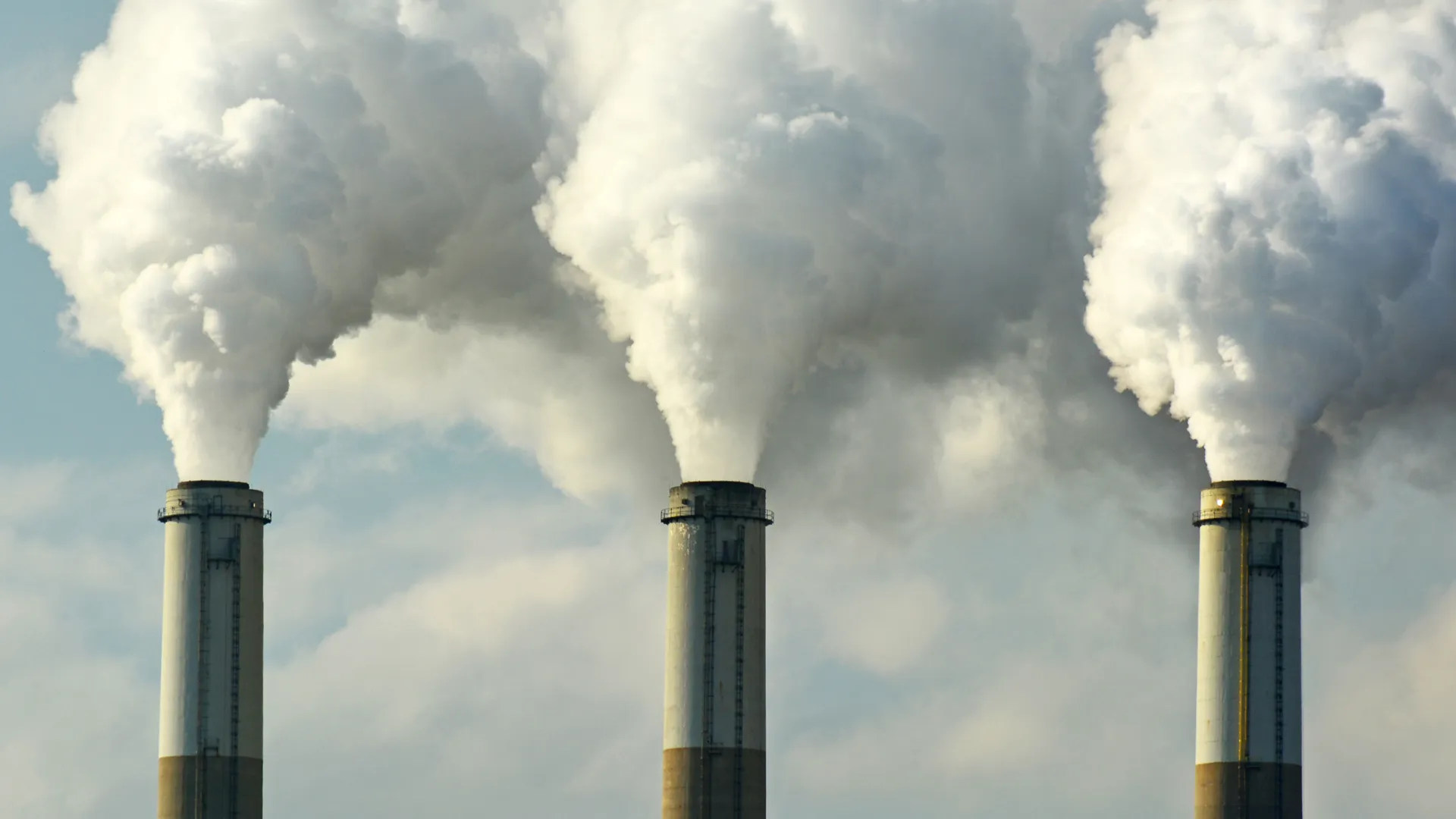
Pakistan’s energy landscape remains overwhelmingly dependent on fossil fuels, a reality that is becoming increasingly difficult to sustain. Oil, gas, coal, and imported liquefied natural gas continue to dominate the country’s energy mix, supplying nearly two-thirds of total energy and electricity needs. This dependence is not only environmentally damaging but also economically draining, exposing Pakistan to volatile global markets, rising import bills, and growing public debt. As energy demand rises sharply due to population growth and industrial needs, the existing model is fast turning into a structural liability.
Recognising this challenge, a broad coalition of policymakers, industry representatives, climate experts, and development practitioners has emphasised the urgent need for comprehensive energy reforms. The central message is clear: Pakistan must reduce its reliance on non-renewable energy by improving competitiveness, accelerating economic growth, and responding decisively to climate change. This transition, however, cannot be cosmetic. It requires aligning future financing strategies with national priorities, particularly by promoting large-scale solarisation of industrial production units.
The textile sector, which anchors Pakistan’s export economy, has emerged as a critical starting point. At a recent seminar in Islamabad organised by Alternate Development Services, experts stressed that shifting textile manufacturing towards renewable energy is both economically sensible and environmentally necessary. Solar power, in particular, offers a practical solution to high energy costs, unreliable supply, and mounting international pressure to decarbonise supply chains.
A study presented at the seminar provided compelling evidence. It mapped 82 textile units that have already installed a combined solar capacity of 237 megawatts. The findings showed clear cost benefits, especially in reducing electricity expenses and shielding firms from tariff volatility. Beyond financial gains, the study projected annual reductions of between 1.6 and 1.76 billion kilograms of carbon dioxide emissions. These reductions are especially significant in the context of the European Union’s Carbon Border Adjustment Mechanism, which will increasingly penalise carbon-intensive exports. For Pakistan’s exporters, renewable energy is no longer just a climate choice; it is becoming a market requirement.
Despite this promise, the transition to solar and other renewables is being slowed by regulatory and structural barriers. Participants highlighted flaws in the Competitive Trading Bilateral Contract Market, including high use-of-system charges that discourage on-grid renewable adoption. Legacy power purchase agreements, signed under earlier policy frameworks, also limit flexibility and lock the system into expensive, fossil-based generation. Without addressing these distortions, renewable energy will struggle to compete on a level playing field.
Experts warned that Pakistan’s continued reliance on fossil fuels is untenable over the long term. As domestic gas reserves decline and global fuel prices fluctuate, energy imports place an ever-growing strain on foreign exchange reserves. This dependence undermines energy security and leaves the economy vulnerable to external shocks. At the same time, pollution from fossil fuels contributes to severe health problems, environmental degradation, and rising healthcare costs, creating hidden economic burdens that are rarely factored into energy pricing.
Reversing this trajectory requires decisive investment in both supply and demand-side reforms. On the supply side, Pakistan must aggressively expand solar, wind, and hydropower generation. These resources are abundant, increasingly affordable, and well-suited to the country’s geography. Modernising the national grid is equally critical. A smarter, more flexible grid can integrate variable renewable energy, reduce transmission losses, and improve reliability. Cracking down on electricity theft, inefficiency, and corruption would further ease financial pressure on the energy system.
On the demand side, upgrading consumption technologies can deliver rapid gains. Encouraging electric vehicles, promoting energy-efficient industrial equipment, and adopting smart cooking and heating appliances can significantly cut emissions while lowering long-term costs. Such measures also reduce dependence on imported fuels, helping stabilise the economy.
Ultimately, Pakistan’s energy transition is not just an environmental imperative; it is a development necessity. Breaking free from fossil fuels will require political will, regulatory reform, and coordinated action across sectors. The costs of inaction—rising debt, energy insecurity, and environmental damage—are far greater than the investments needed for change. By choosing a clear path towards renewables, Pakistan can build a more resilient, competitive, and sustainable energy future.