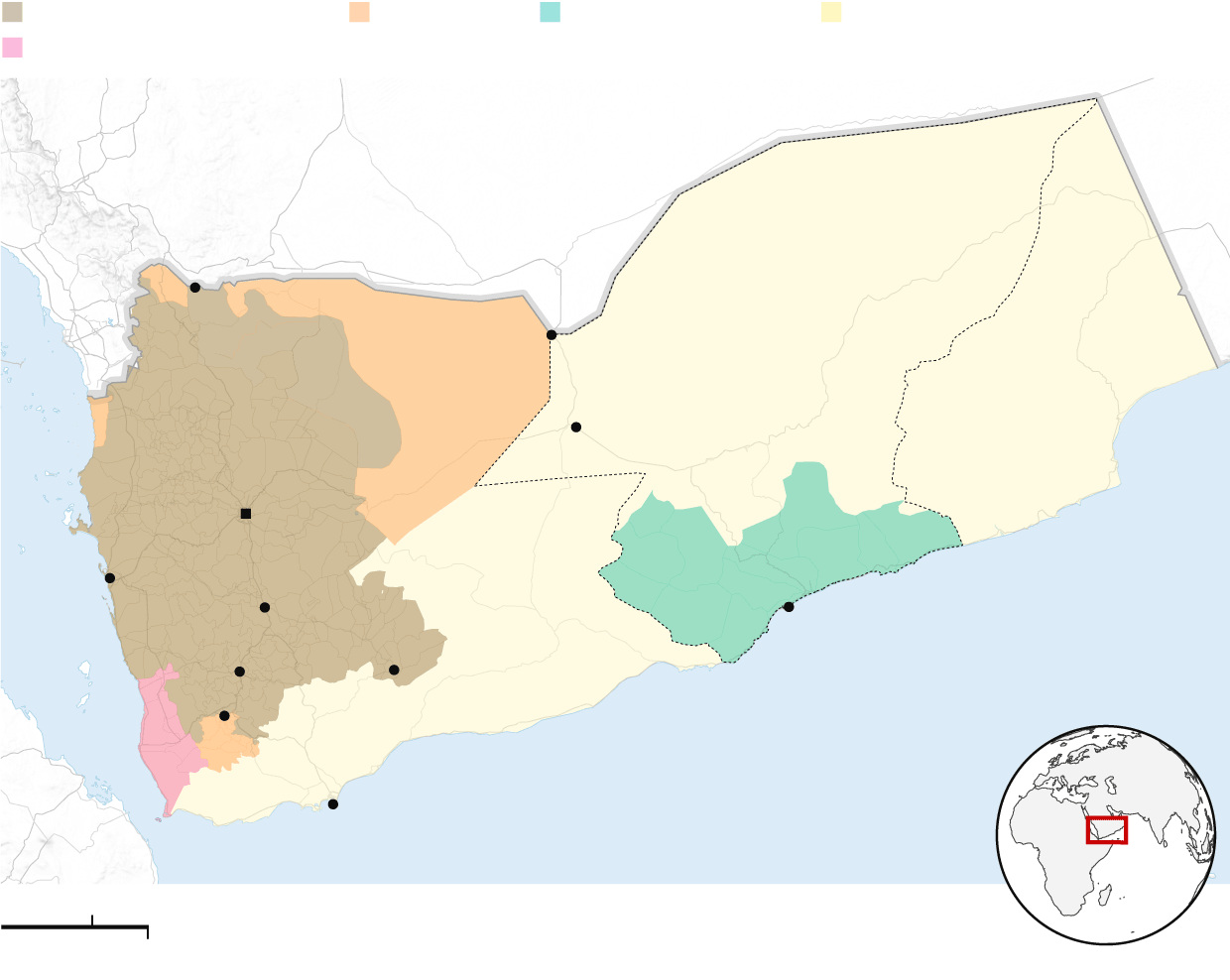

SANA’A – Yemen’s political crisis deepened as Rashad al-Alimi, head of the internationally recognised Presidential Leadership Council, warned against further unilateral military actions by the Southern Transitional Council (STC). Al-Alimi said additional advances by the separatists in Hadramout and al-Mahra provinces could have serious consequences for the country’s stability.
The warning followed a surprise STC offensive in December, in which the group seized control of the resource-rich provinces. Riyadh has accused the United Arab Emirates of encouraging the STC, claiming its presence near Saudi borders threatens national security. The UAE has denied the allegations, affirming support for Saudi security.
The STC, rejecting al-Alimi’s authority, announced plans to deploy more forces in the captured areas. Mohammed al-Naqeeb, an STC spokesperson, said operations would continue but coordinated with Yemeni government-aligned “Homeland Shield” units and the Saudi-led coalition.
Hadramout’s governor, Salem al-Khanbashi, urged the separatists to withdraw, warning that defiance risks violence. Meanwhile, Saudi-led airstrikes targeted weapons shipments to Mukalla port under STC control. The European Union also expressed concern, calling for de-escalation and reaffirming support for Yemen’s unity and the Presidential Leadership Council.
The standoff highlights the fragile balance in Yemen, with regional rivalries and separatist ambitions fueling continued instability in the south.