
Arshad Mahmood Awan
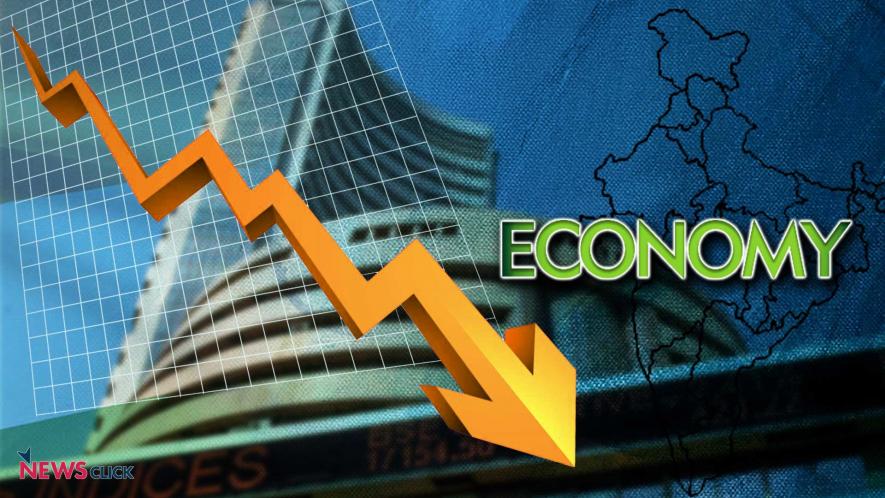
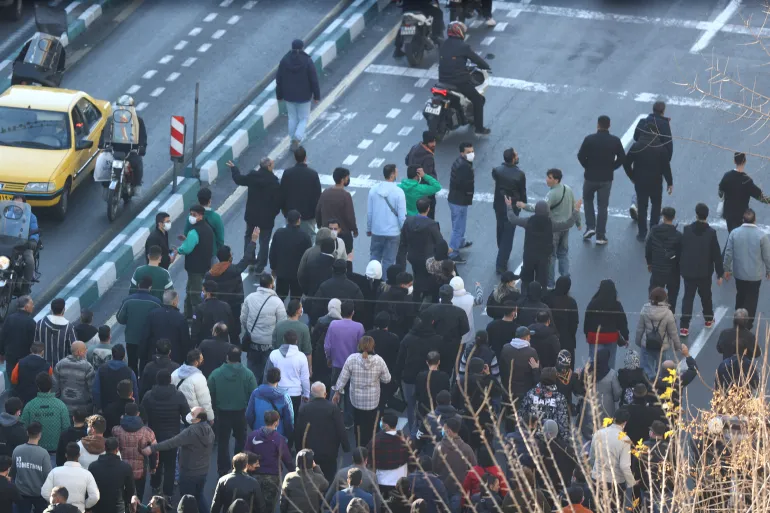
Darkness has descended over Iran, where widespread protests continue to escalate, posing the gravest governance and security challenges the country has faced in recent memory. The demonstrations, which began roughly two weeks ago in response to soaring inflation, have now evolved into a broader political movement, with participants demanding accountability from the leadership and, in some cases, calling for it to step down. The unrest has turned violent in many areas, with state buildings set ablaze, clashes between protesters and security forces, and reports of casualties on both sides. Educational institutions in the hardest-hit cities have reportedly been closed, reflecting the scale of the disruption.
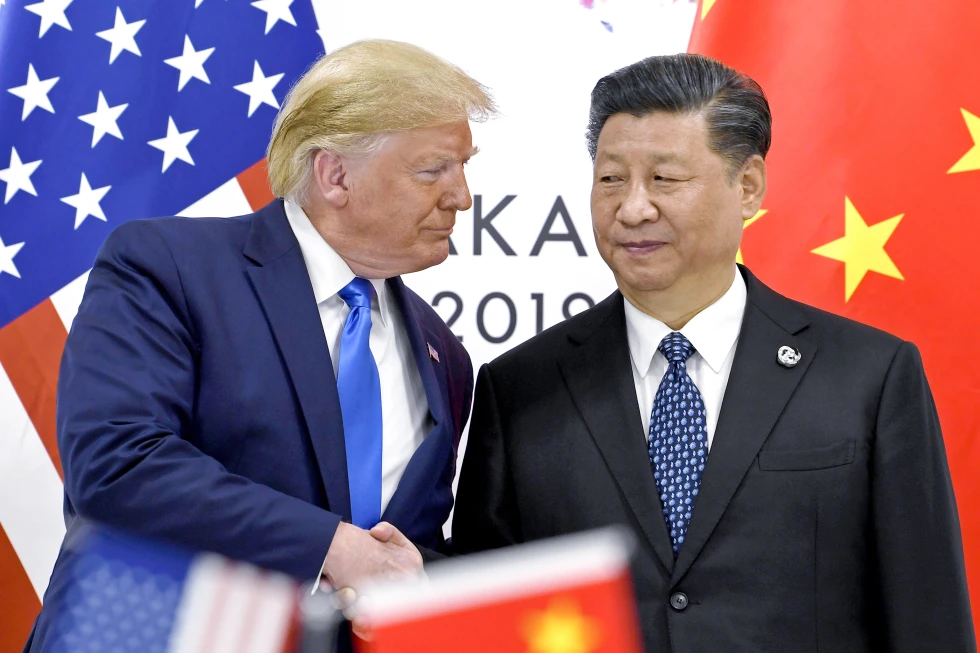
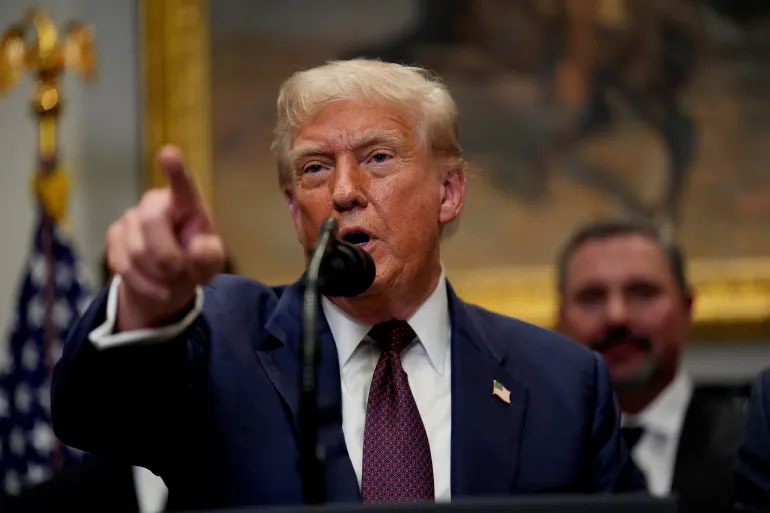
A near-total communications blackout has further complicated efforts to obtain accurate information from the country. In this vacuum, narratives from global powers and media outlets often conflict, making it difficult to separate verified facts from propaganda. The Iranian army has issued statements pledging to protect strategic infrastructure and public property, framing the protests as a threat to national security, while urging citizens to resist what it describes as “enemy plots.” Meanwhile, inflammatory rhetoric from foreign leaders, including the US president, has heightened tensions, fueling Iranian fears of external interference.
Iran’s leadership faces a delicate balancing act. The country has endured decades of crippling sanctions, most recently over its nuclear program, and the previous year’s war with Israel further strained the nation’s resources and morale. Despite these pressures, Iranians have maintained a strong sense of national pride, resisting external dictates. Yet the current unrest exposes vulnerabilities within the system and highlights the urgent need for reforms that address citizens’ grievances while maintaining stability.
The situation in Iran is also a matter of concern for Pakistan. As a neighbouring and historically close nation, Pakistan has a stake in ensuring that the crisis does not spill across its borders or attract external powers into the region. While Pakistan should remain cautious, the resolution ultimately lies with the Iranian people themselves. The ruling class must acknowledge mistakes, engage transparently, and take steps to rebuild trust, while the population must remain vigilant against forces seeking to exploit divisions under the guise of support.
Ultimately, Iran’s crisis underscores a fundamental principle: the future of a nation is determined internally. External powers can influence, threaten, or assist, but only the Iranian people, through dialogue, accountability, and civic action, can chart a path that ensures both stability and respect for their rights. The coming weeks will be a crucial test of Iran’s resilience, the leadership’s willingness to adapt, and the people’s ability to navigate a complex political and social landscape while preserving national cohesion.
This unrest is a stark reminder that economic grievances can rapidly transform into broader societal and political upheaval, particularly in a country already burdened by sanctions, military conflicts, and internal governance challenges. The manner in which Iran manages this crisis will resonate far beyond its borders, influencing regional security, global diplomacy, and the balance of power in a volatile part of the world.
The key takeaway is that while the protests are a deeply internal matter, their implications are regional and global. Neighbours like Pakistan, as well as international observers, must carefully monitor developments without interfering in ways that could exacerbate tensions. Meanwhile, Iran’s leadership and people must navigate these challenges judiciously, ensuring that short-term unrest does not escalate into long-term instability, and that the country emerges stronger, more accountable, and better prepared to meet the demands of its citizens.
The unfolding situation in Iran is a defining moment for its governance, society, and international relations. How the leadership responds, how the public channels its grievances, and how external actors interact will determine not only the outcome of these protests but also Iran’s trajectory in the coming years. The nation stands at a crossroads, and the choices made now will leave an enduring mark on its history.
The crisis also serves as a reminder that economic pressures, when combined with political dissatisfaction, can quickly challenge even resilient regimes. Iran’s ability to navigate this turmoil without external manipulation, while addressing internal demands, will set a critical precedent for both regional stability and national governance in the Middle East.