
Editorial
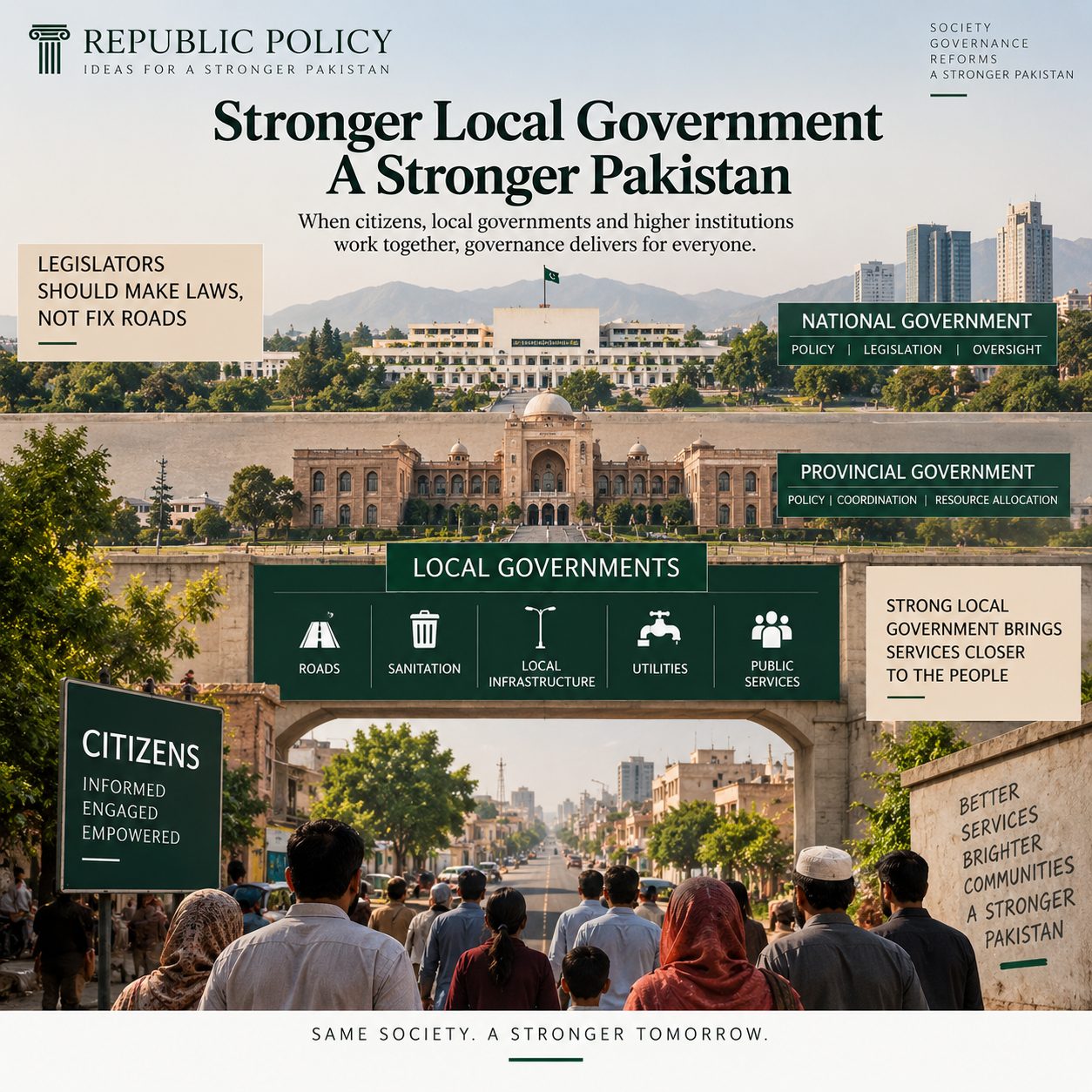
Pakistan today is engaged in a serious and much-needed debate about governors, governance structures, and the broader idea of good governance. This discussion is taking place not only in academic circles but also within political forums and public discourse. In itself, this is a healthy sign. It reflects a growing awareness that good governance is essential for the rule of law, a functional state, social stability, and above all, an economy that can actually deliver for citizens.
Good governance is often described through institutions, transparency, accountability, service delivery, and efficient administration. These are all important elements. However, beneath this layered discussion lies a more fundamental question that is often avoided or treated as secondary. That question is legitimacy. Does the government actually have the right to govern?
Without addressing this core issue, debates about governance structures risk becoming hollow. A government that lacks public legitimacy may adopt the language of reform, efficiency, and accountability, but these concepts struggle to take root when citizens question the very authority of those in power. Governance is not merely about procedures or performance indicators. It is about consent, trust, and moral authority derived from the people.
In Pakistan’s case, this question applies equally to federal and provincial governments. If large sections of society believe that political power is acquired or exercised without genuine public mandate, then governance reforms alone cannot restore confidence. Institutions cannot function effectively when their authority is constantly contested. Economic policies cannot succeed when political legitimacy remains fragile.
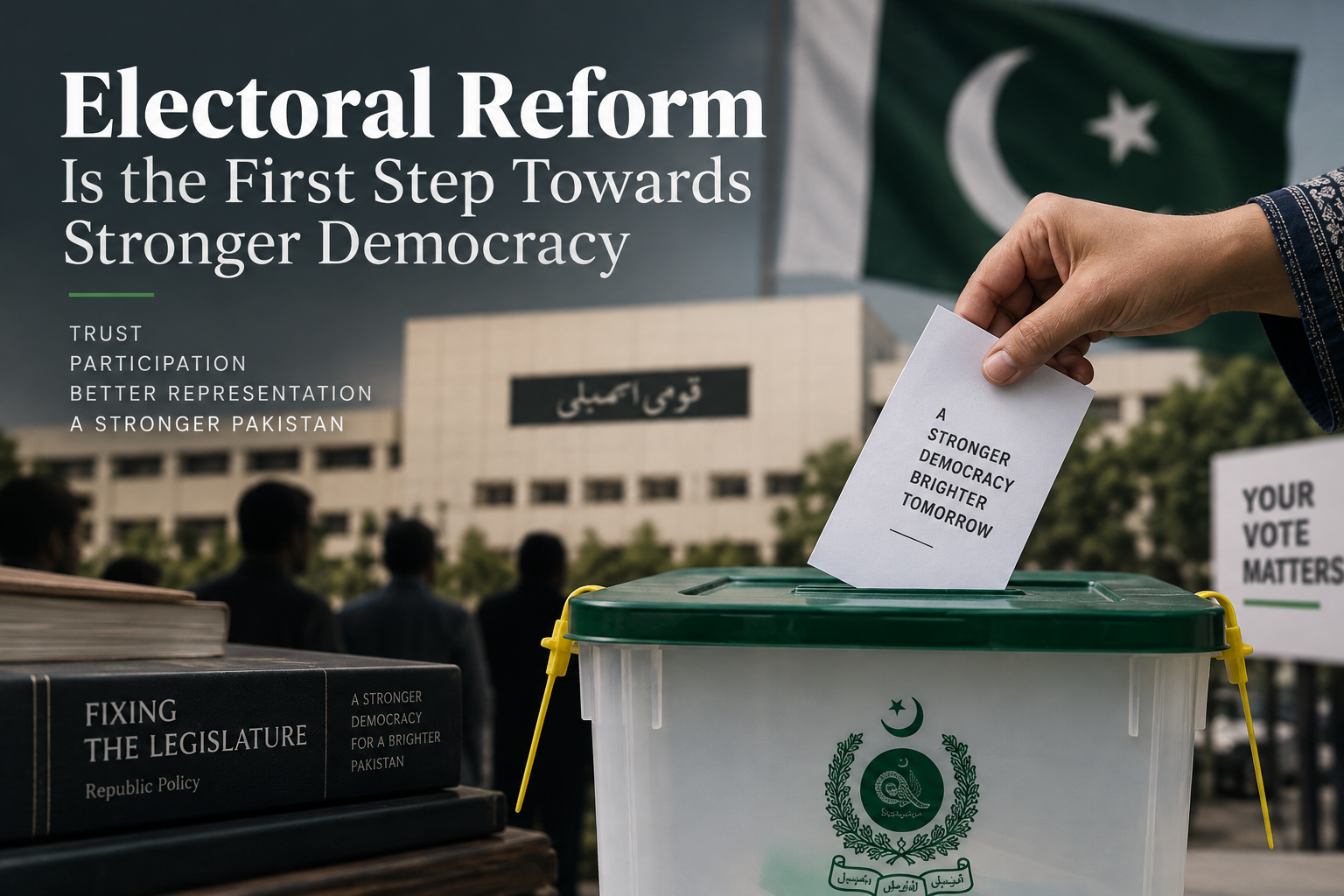
This does not mean that governance debates are irrelevant. On the contrary, they are necessary. But they must be grounded in a clear resolution of legitimacy. Pakistan must first settle whether its governing structures truly reflect the will of the people. Only then can discussions about good governance move from theory to practice. Without legitimacy, governance reforms remain technical exercises. With legitimacy, they become transformative tools for state and society alike.