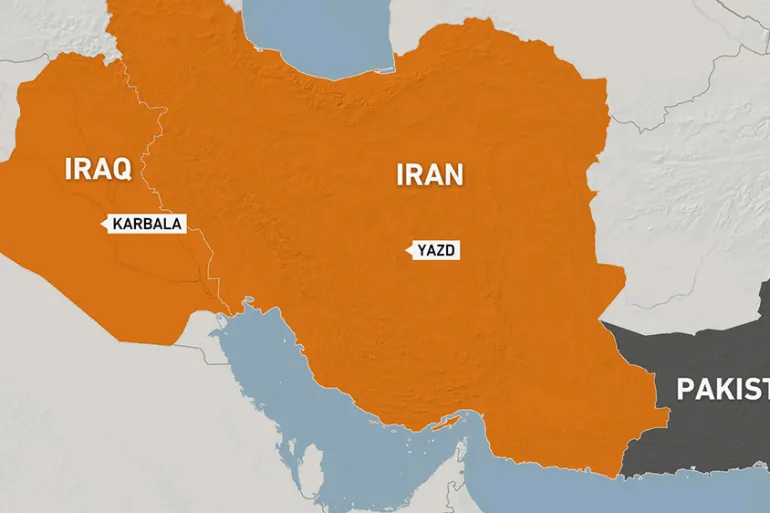

Iran’s economy is enduring one of its toughest periods in years, driven by international sanctions, soaring inflation, and a collapsing rial, sharply affecting living standards. The crisis has sparked widespread protests that began on December 28 in Tehran, initially involving shopkeepers and small business owners, and later spreading nationwide to workers, students, and citizens expressing discontent over economic hardship.
President Ebrahim Raisi acknowledged “shortcomings and problems” on Sunday, pledging efforts to address the economic situation. The Human Rights Activists News Agency estimates 2,615 deaths, over 2,000 injuries, and 18,470 arrests amid the unrest.
The Iranian rial has plunged from around 817,000 per US dollar at the start of last year to roughly 1.5 million, wiping out savings and driving up import and consumer prices. Annual inflation remains above 40%, with food and staple costs rising faster. Despite government cash handouts and subsidies, households struggle to keep up.
International sanctions continue to strain oil revenues and foreign exchange inflows, limiting the Central Bank’s ability to stabilize the currency. GDP growth has slowed to near zero in 2025, while youth unemployment remains above 20%, highlighting deep structural and social challenges for the clerical government amid mounting public anger.