
Editorial
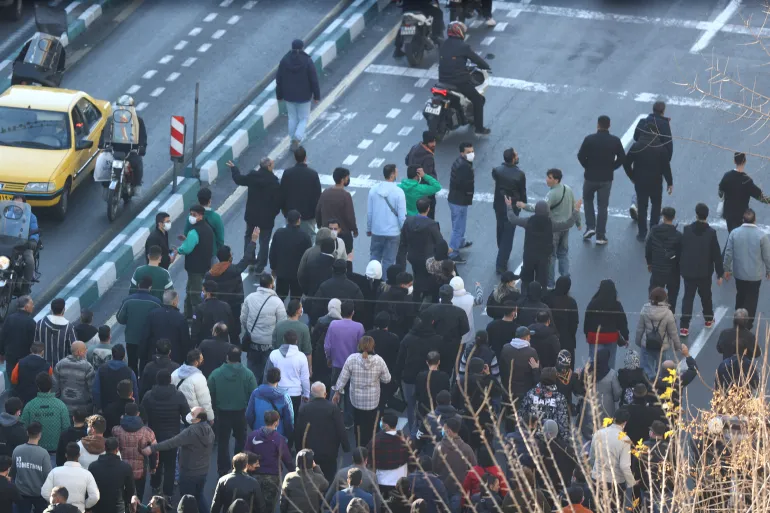
For now, Iran appears to have weathered both the threat of external strikes and the recent waves of domestic protests. The unpredictability of U.S. politics under Donald Trump may have given Tehran a temporary reprieve, while the regime’s firm security measures seem to have quelled much of the unrest. Yet, controlling protests through force is a short-term solution at best. The deeper challenges for the Iranian leadership remain economic stagnation and the growing demand for personal and social freedoms, especially for women.
In the 21st century, regimes rooted in strict theological governance face increasing difficulty imposing lifestyles and restrictions that were designed for the 16th century. Even within religious frameworks, there is room for societal progression, but Iran’s clerical leadership must reconcile these principles with the aspirations of its citizens. Two urgent lessons emerge: first, the economy must be strengthened despite sanctions, ensuring that ordinary Iranians can sustain livelihoods and feel confidence in the state; second, liberties must be expanded, giving people—particularly women—a meaningful role in the nation’s social and political life.
Iranian nationalism remains strong, and if aligned constructively with religious structures, it could form a resilient societal framework. But ignoring the economic and social demands of the populace risks alienation, unrest, and long-term instability. The recent protests should serve as a wake-up call: survival through force is temporary, but survival through reform, inclusion, and economic vitality may define Iran’s future. The clerical regime now faces a choice between continued control and genuine adaptation to the realities of a modern Iran.