
Zafar Iqbal
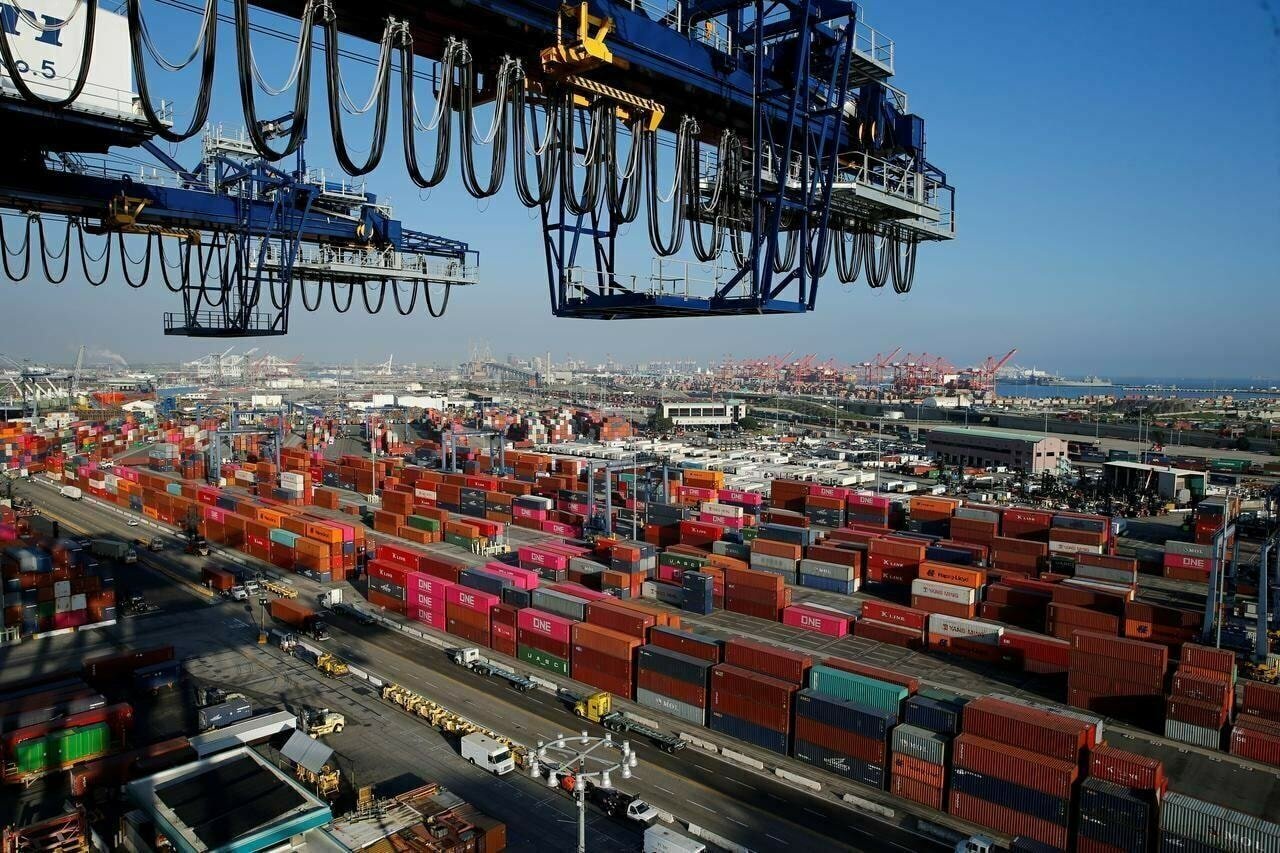
Planning Minister Ahsan Iqbal has declared an export emergency. A special cell will operate from the Prime Minister’s Office to address business community problems on an urgent basis. The goal sounds ambitious: increase exports by forty percent in four years and two hundred percent by 2035. The announcement reflects awareness of a deteriorating situation. Pakistan’s trade deficit widened to negative 19,204 million dollars in the first half of this year compared to negative 14,271 million dollars during the same period last year. The country remains trapped in a cycle of foreign borrowing, rollovers from friendly nations, and multilateral lending to maintain foreign exchange reserves.
Recognizing a problem is indeed the first step toward solving it. But recognition alone achieves nothing. What matters is whether policymakers understand the root causes and whether they possess the courage to implement genuine structural reforms rather than recycling failed approaches from the past.
There is no shortage of research on Pakistan’s export failures. Government offices are filled with studies that gather dust while the same mistakes repeat themselves. The International Monetary Fund documented the core problem in its October 2024 report titled Request for an Extended Fund Arrangement. The language was blunt: economic volatility has only increased over time with a tight correlation between Pakistan’s boom-bust economic outcomes and its macroeconomic policies.
The IMF comparison with nine regional peers revealed an embarrassing reality. Pakistan’s export growth since 2000 ranks second to last. Sales to the world remained particularly stagnant during the 2010s. The country’s trade restrictions, including exchange measures, tariff and non-tariff barriers, restrictions to payments, consistently place it at or around the ninetieth percentile of the highest Measurement of Aggregate Trade Restrictions index. This high level of protection has not improved Pakistan’s competitiveness. It has likely undermined it.
One can only hope the export emergency cell takes cognizance of these observations. Past responses have followed a predictable pattern: extend monetary and fiscal subsidies to specific influential sectors with the objective of increasing exports. This approach reactivates the boom-bust syndrome rather than breaking it. Powerful lobbies receive incentives while underlying distortions remain untouched. Temporary relief gives way to renewed crisis.
Setting up an export emergency cell in the Prime Minister’s Office does signal that government has elevated the issue to the highest executive level. Appropriate policy decisions should come more promptly. But there is a troubling question that must be asked. What happens when emergency measures conflict with pledges made to the IMF?
The consequences of breaking those pledges are severe. Failure to meet commitments may lead to cessation of the next tranche release. Since 2019 it has become evident that three friendly countries may refuse to roll over twelve billion dollars if Pakistan falls out of compliance with Fund requirements. The stakes could not be higher.
The Fund’s advice appears implicit in its observations. Pakistan’s export basket remains strongly biased toward agriculture and textiles. The country has struggled to reallocate resources toward more technologically complex products. Reallocation is held back by existing microeconomic distortions. These include public procurement of agricultural goods, price controls on raw inputs, and fiscal and financial incentives for low productivity sectors. In other words, structural reforms are required. These reforms do not consist of monetary or fiscal incentives. They do not consist of setting up special economic zones that the government has pledged to phase out. They consist of ending all existing economic distortions.
If past precedence is anything to go by, an export emergency cell will undertake measures that bring it into direct conflict with pledges made to the IMF. This is the fundamental contradiction at the heart of Pakistan’s economic policymaking. The political economy favors quick fixes and targeted subsidies. The structural requirements demand dismantling the very systems that powerful interests depend upon.
To increase leverage with the Fund would require taking measures the Fund actually supports. End the energy cross-subsidy paid for by industry. Reduce current expenditure to create fiscal space that would ease the vise-like application of the Federal Board of Revenue’s audit function, which industry describes as harassment. End red tape implicit in any new venture. End the elite capture of both budgeted resources and outlay.
These are not technical suggestions. They represent fundamental challenges to how Pakistan’s economy has been structured for decades. Energy subsidies benefit residential and agricultural consumers at the expense of industrial competitiveness. Current expenditure remains bloated because cutting it means cutting privileges. The FBR’s aggressive audit function exists because revenue collection targets cannot be met through rational tax policy. Red tape persists because bureaucratic power depends on discretionary authority. Elite capture continues because those who make policy are often those who benefit most from existing distortions.
The export emergency may be real. But the response will likely be emergency thinking rather than strategic reform. Pakistan has declared many emergencies before. Each time the solutions have been incremental, politically palatable and ultimately ineffective. What the country needs is not another cell or another subsidy scheme. It needs leadership willing to confront the structural distortions that make genuine export competitiveness impossible. Until that happens, the emergency will simply become permanent.