
Tahir Maqsood Chheena
After months of uncertainty, both houses of Pakistan’s Parliament now have opposition leaders formally endorsed by the majority of opposition members, marking a significant milestone in the country’s legislative process. The missing pillars of parliamentary leadership have finally been restored, providing both symbolic and practical stability. This development reflects positively on both the government and opposition parties, demonstrating a level of maturity and political responsibility that has been rare in recent years.
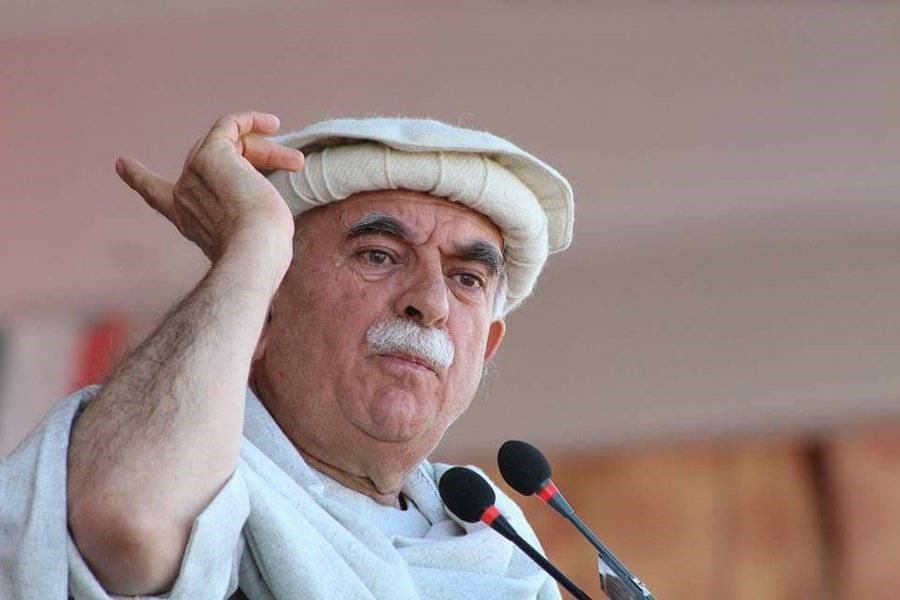
For a long time, political acrimony and polarization had left the parliamentary system incomplete, undermining its capacity to function effectively. The absence of opposition leadership had created a void, preventing proper oversight, debate, and negotiation on key national issues. The appointments of Allama Raja Nasir Abbas as opposition leader in the Senate and Mehmood Khan Achakzai in the National Assembly offer a chance to fill that void and reestablish a functioning parliamentary balance.
In their inaugural speeches, both leaders made conscious efforts to signal a cooperative approach. They extended a clear olive branch to the government, urging that political differences be managed through dialogue and parliamentary engagement rather than confrontation. Their appeal—that politics should be conducted by politicians rather than being left to chaos or external interference—resonates with a wider public weary of partisan conflict. Observers note that while their speeches were generally well-received, some skepticism remains about whether rhetoric can translate into meaningful collaboration. Nonetheless, for the first time in a long while, there appears to be a glimmer of hope for a more constructive political climate.
The immediate challenge for Mr. Abbas and Mr. Achakzai is to consolidate support within the opposition benches and ensure cohesion among the various parties and factions. While the Pakistan Tehreek-e-Insaf (PTI), the largest opposition party, endorsed their candidacies and former Prime Minister Imran Khan publicly expressed confidence in their leadership, internal discipline will be critical. With Khan currently incarcerated, there is a risk that local party leaders and activists may act independently, potentially creating friction between the grassroots and the central leadership. In such a scenario, internal disagreements could complicate the efforts of the newly appointed opposition leaders to present a unified front.
Despite these potential hurdles, the decision by PTI to back Abbas and Achakzai is a sensible one. Aligning with leaders respected across the opposition spectrum allows the party to strengthen its parliamentary voice while avoiding the pitfalls of internal division. The next few months will test whether the party and the broader opposition can maintain unity and discipline, supporting the leaders’ judgment and facilitating constructive engagement with the government.
The government, too, has a role to play. Parliamentary systems function best when both sides of the aisle respect institutional norms and allow debate and oversight to take place. Positive engagement from the opposition could provide an opportunity for meaningful dialogue on pressing national issues, including economic challenges, foreign policy, and legislative reforms. By responding in kind, the government can help nurture a culture of cooperation, reducing the polarizing rhetoric that has dominated Pakistan’s politics in recent years.
Political analysts point out that restoring opposition leadership is more than a procedural necessity; it is a test of Pakistan’s democratic resilience. A functioning opposition is crucial for accountability, transparency, and the health of democratic institutions. Abbas and Achakzai now carry the responsibility of ensuring that parliamentary mechanisms work effectively, facilitating debate, proposing alternatives, and holding the government accountable without descending into obstructionist tactics. Their ability to navigate the complex interplay of party loyalties, personal ambitions, and national interests will determine the success of this restored leadership.
The broader hope is that these appointments signal the beginning of a new era of political reconciliation. While mistrust and ideological differences cannot be erased overnight, the willingness of both sides to respect parliamentary norms and engage constructively may gradually reduce the intensity of partisan conflict. If successful, this period could set a precedent for future cooperation, demonstrating that Pakistan’s democracy can function even amid political turbulence.
For the opposition leaders themselves, the road ahead will require patience, diplomacy, and strategic vision. Balancing competing interests, maintaining unity among diverse factions, and earning the government’s respect without compromising their own role as watchdogs will be delicate tasks. Yet, their initial gestures of cooperation suggest a readiness to embrace this responsibility.
In conclusion, the formal appointment of opposition leaders in both the Senate and National Assembly is a significant development in Pakistan’s political landscape. It restores a vital pillar of parliamentary democracy and opens the door to dialogue, accountability, and reconciliation. While challenges remain, the appointments of Allama Raja Nasir Abbas and Mehmood Khan Achakzai represent a promising step toward a more constructive and mature political environment—one where governance and debate can function in tandem, rather than in perpetual conflict.