
Tahir Maqsood Chheena
The recent report by the Committee on Civil Service Reforms has once again forced Islamabad to confront a problem it has faced for decades. Time and again, government-appointed bodies have identified deep-seated dysfunction in Pakistan’s bureaucracy and produced ambitious blueprints for reform, drawing lessons from the military, the corporate sector, and international administrative models. Yet, despite repeated diagnoses, the system remains largely unchanged.
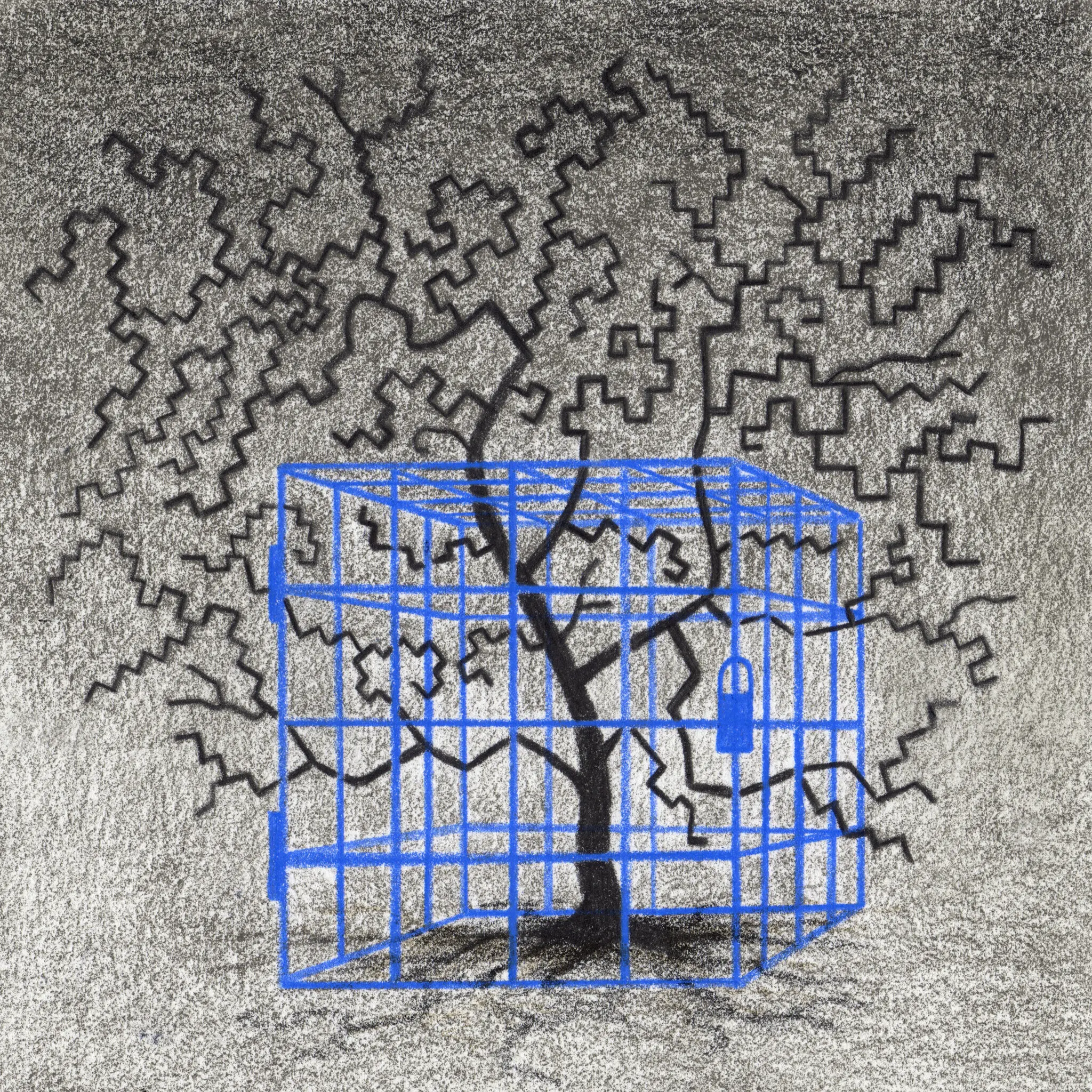
Almost every administration arrives at the same conclusion: the civil service is outdated, inefficient, and poorly adapted to the demands of modern governance. Almost every administration leaves without having altered it in any meaningful way. This repeated failure is not accidental. Pakistan’s bureaucracy has long ceased to operate as a neutral instrument of administration. What remains is a structure combining procedural rigidity with discretionary power, producing inefficiency as a matter of design rather than chance. Files move slowly, decisions are endlessly deferred, and responsibility is diluted across layers of approvals. This paralysis persists because it protects privilege, shields incompetence, and allows discretion to be monetised.
The committee’s admiration for the army’s human resource practices is understandable. The military’s system is highly structured: ranks narrow sharply at higher levels, retirement is inevitable, and promotions are tied to performance rather than assumed entitlement. The civil service, by contrast, treats promotion largely as a matter of seniority. Officers expect to reach the highest grades simply by remaining in service long enough. This cultural difference makes applying the army’s model to civilian administration far more complex than reform documents suggest.
In the military, early exits are routine and institutionalised. In the civil service, they are seen as punishment or political victimisation. Any reform introducing competitive promotions, performance ceilings, or early retirement immediately collides with entrenched expectations and legal protections. Historical attempts at lateral entry, performance-based advancement, or enforced separation have either been diluted beyond recognition or quietly reversed under internal pressure.
Corruption compounds these structural challenges. The civil service is not only inefficient but also compromised by rent-seeking incentives that distort decision-making. Cronyism, patronage postings, discretionary licensing, and procurement manipulation are not peripheral problems—they are central to how power is exercised. Resources are misallocated because postings and promotions often reflect personal connections rather than competence. Any reform effort that avoids confronting these realities risks being purely cosmetic.
This explains why reform committees consistently produce elegant frameworks that fail in implementation. Training modules can be redesigned, performance evaluation forms rewritten, and international best practices cited at length. None of it matters unless political leadership is willing to face sustained institutional pushback. Genuine reform requires redistributing power away from those who currently benefit from opacity and discretion. History offers little evidence of a government prepared to see that struggle through.
Yet deferring reform indefinitely is not an option. Pakistan’s governance crisis is tightly intertwined with its economic and security challenges. Weak policy execution, poor project management, fiscal leakages, and regulatory capture all trace back to administrative incapacity. Citizens bear the cost of this dysfunction through delayed services, failed reforms, and a widening gap between policy announcements and outcomes.
What is now required is not more aspirational language but a pragmatic, data-driven strategy. This begins with honest diagnostics: identifying where performance breaks down, how incentives are misaligned, and which state functions can realistically be delivered with existing capacity. Reforms should start small—pilot programs that are measurable and enforceable—rather than system-wide overhauls announced in press conferences. Legal and constitutional clarity on performance-based separation is essential; without it, accountability remains rhetorical.
Reform must also be sequenced carefully. Attempting to impose military-style discipline on a civilian system without first addressing entitlement-based promotion, corruption incentives, and political interference is unlikely to succeed. The committee’s work provides a useful starting point, but the gap between diagnosis and delivery remains vast.
Pakistan does not lack reform ideas. What it lacks is the political resolve to confront a bureaucracy that has mastered the art of outlasting every reformist impulse. Until that changes, civil service reform will remain a recurring headline rather than a lived reality, while the costs of inaction—delayed development, fiscal inefficiency, and weakened governance—continue to mount.