
Editorial
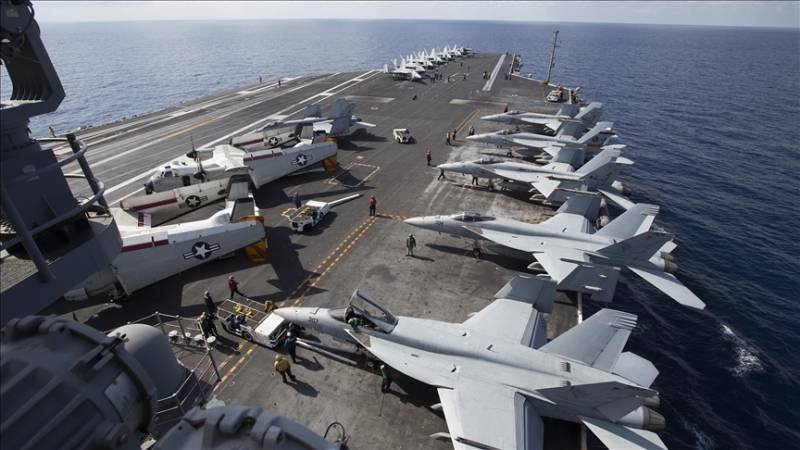
Tensions between Iran and the United States have escalated sharply in recent days, with Tehran issuing stern warnings over the deployment of the USS Abraham Lincoln near its waters and displaying dramatic imagery of destruction as a cautionary signal. At the same time, domestic unrest continues, with thousands arrested in nationwide protests under a near-total internet blackout. These developments underscore a dangerous reality: the region is perilously close to another conflict, and the consequences would be catastrophic.
Avoiding military confrontation in the Middle East is not merely a diplomatic concern—it is a humanitarian and economic imperative. The region is home to millions of civilians who would bear the brunt of any escalation. Past conflicts have shown that war triggers mass displacement, widespread casualties, and the collapse of essential services. Beyond human suffering, the Middle East is a linchpin in the global energy market. Even short-lived disruptions in oil and gas supplies ripple across the world, driving inflation, destabilizing economies, and exacerbating global uncertainty.
Moreover, a war would deepen regional divisions, empowering extremist groups who thrive in chaos and undermining fragile political structures. Countries like Iraq, Lebanon, and Yemen are already grappling with internal crises; a broader confrontation could drag them further into instability, spreading violence beyond national borders.
Diplomatic engagement, de-escalation, and multilateral dialogue are the only sustainable paths forward. While Iran and the United States must address security concerns, the international community should focus on mediation and conflict prevention rather than reactionary posturing. Every provocative act brings the world closer to a conflict that would be devastating not just for the region but for global stability.
The stakes could not be higher: the Middle East is a tinderbox, and even a small spark could ignite a fire with consequences far beyond the region. Avoiding war is not an option—it is an urgent necessity.