
Editorial
The steady build-up of US military power near Iran’s coastline is once again stirring uneasy questions about Washington’s intentions. The arrival of the USS Abraham Lincoln, a nuclear-powered aircraft carrier, in the Arabian Sea is not just a routine deployment. In the language of geopolitics, such movements are rarely accidental and almost never meaningless.
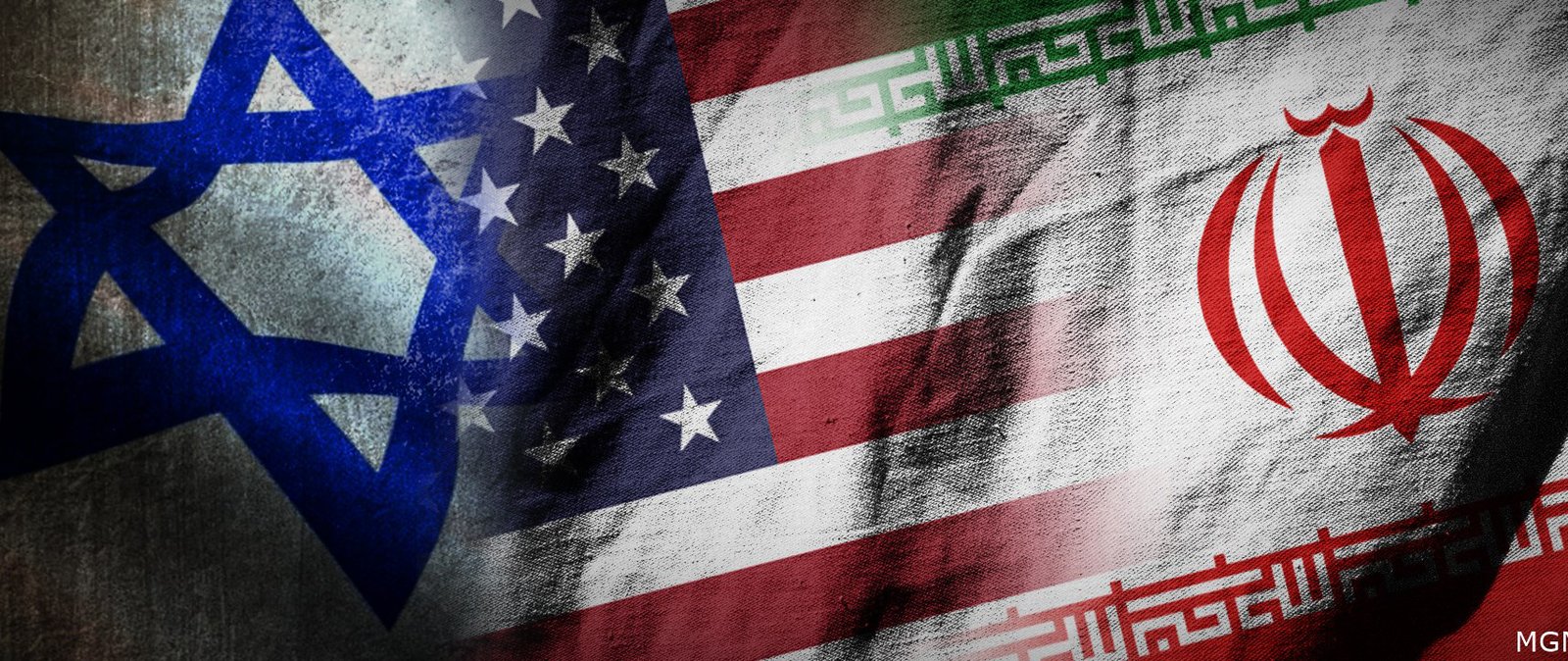
History offers troubling context. The United States has often positioned massive military assets “just in case,” only for those contingencies to turn into strikes. Last June’s attacks on Iranian nuclear facilities, carried out in coordination with Israel, were preceded by similar manoeuvres. Elsewhere, from Venezuela to Iraq, military concentration has frequently signalled more than deterrence.
This time, the backdrop is Iran’s internal unrest. Months of protests, a brutal crackdown, and disputed claims of mass casualties have given Washington both a moral narrative and political leverage. President Donald Trump’s rhetoric — oscillating between threats and restraint — has only added to the uncertainty. His warning that any executions in Iran would trigger a response dwarfing previous strikes suggests that military force remains firmly on the table.
Officially, US commanders describe the deployments as defensive, meant to ensure “readiness” and regional stability. Yet aircraft carriers, stealth bombers, and missile-equipped destroyers are blunt instruments for diplomacy. They project power, not patience. To Tehran, such signals are unlikely to be reassuring; to the region, they revive memories of wars that began with similar justifications and ended in prolonged chaos.
An attack on Iran, even a limited one, would not occur in a vacuum. Iran retains the capacity to respond asymmetrically — through regional allies, disruption of shipping lanes, or strikes on US forces and partners. The risk of escalation is real, and the costs would ripple far beyond Iran’s borders.
At a moment when the Middle East is already strained by conflict and mistrust, Washington must decide whether it seeks de-escalation or dominance. History suggests that military pressure may compel attention, but it rarely delivers lasting stability.