
Mubashar Nadeem
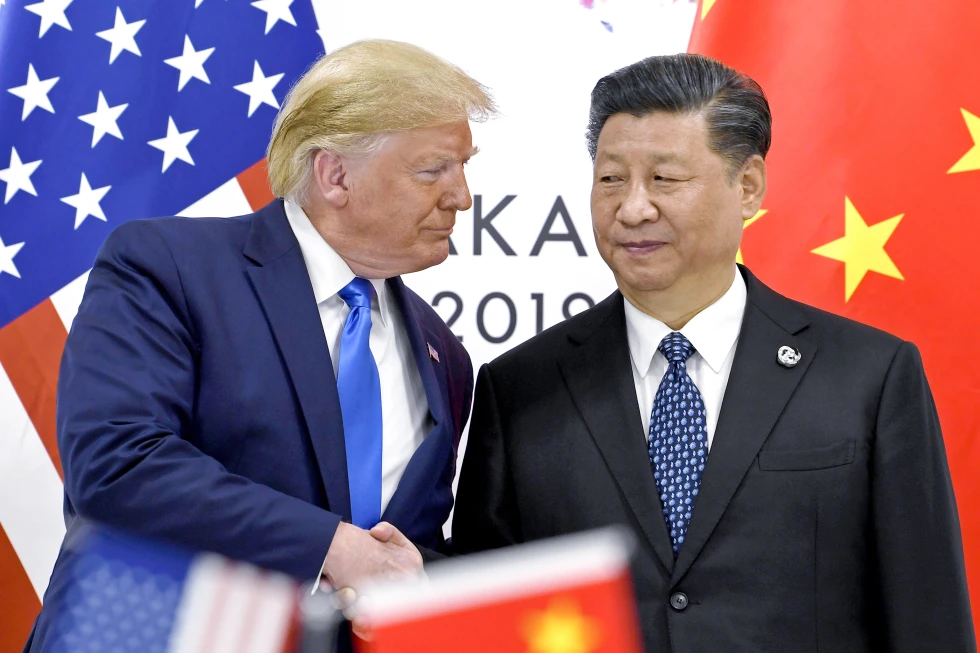
As the second phase of US President Donald Trump’s Gaza peace plan begins to take shape, fundamental questions about the future of the besieged Strip — and of the wider occupied Palestinian territories — remain unanswered. Chief among them is the most basic issue of all: whether Palestinians will ever be granted their long-denied right to self-determination. Without a credible answer to this question, any plan for Gaza risks becoming yet another temporary arrangement imposed from outside, rather than a genuine pathway to peace.
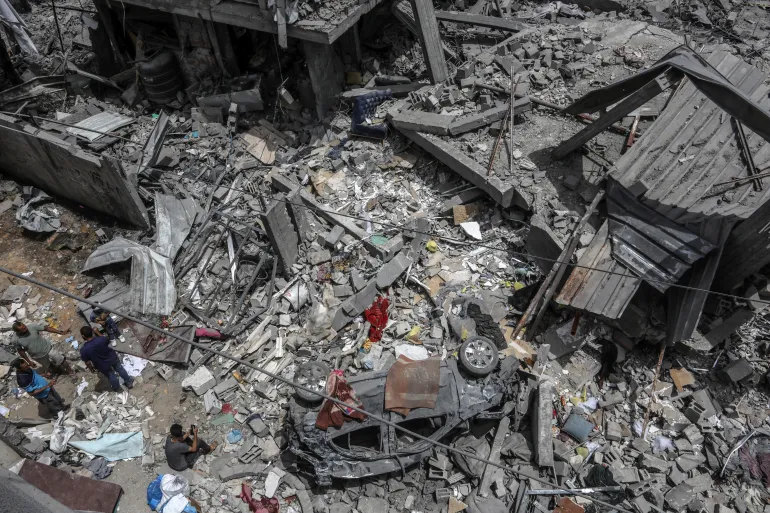
Under the emerging framework, Hamas has indicated it is willing to relinquish administrative control of Gaza to the National Committee for the Administration of Gaza, a body of Palestinian technocrats envisaged under the Trump-backed proposal. On paper, this appears to be a significant concession aimed at stabilising governance in the Strip. However, the question of Hamas’s weapons remains unresolved and could easily derail the fragile ceasefire. Israel has already shown little regard for restraint, killing hundreds of Palestinians since October despite claims of de-escalation. As long as Israel retains the freedom to violate ceasefires at will, governance arrangements alone will offer little protection to Gaza’s civilians.
Another critical development is the anticipated reopening of the Rafah crossing with Egypt. While this should provide much-needed relief to Gaza’s trapped population, reports suggest Israel intends to manipulate the process by facilitating the exit of Palestinians while making their return increasingly difficult. Such a policy would lend further weight to accusations that Israel is pursuing a gradual ethnic cleansing of Gaza — emptying the territory of its people under the cover of humanitarian access. History offers Palestinians little reason to trust assurances that displacement, once normalised, will remain temporary.
Adding to these concerns are remarks by Jared Kushner, President Trump’s son-in-law, who recently unveiled a vision for a “New Gaza” at the World Economic Forum in Davos. His comments, framed in the language of investment and redevelopment, have alarmed many observers. They raise the unsettling question of whether Palestinians are seen as stakeholders in their own land, or merely as a disposable population to be managed — or removed — to make way for lucrative real estate projects. The absence of Palestinian voices from these grand designs speaks volumes about whose interests are being prioritised.
The deeper problem is that all such plans are ultimately hollow if they do not include a clear, enforceable roadmap to Palestinian statehood. Administrative committees, ceasefire mechanisms, and reconstruction schemes may address symptoms, but they do not resolve the core injustice at the heart of the conflict. Without sovereignty, control over borders, and political independence, Gaza will remain vulnerable to repeated cycles of violence and destruction.
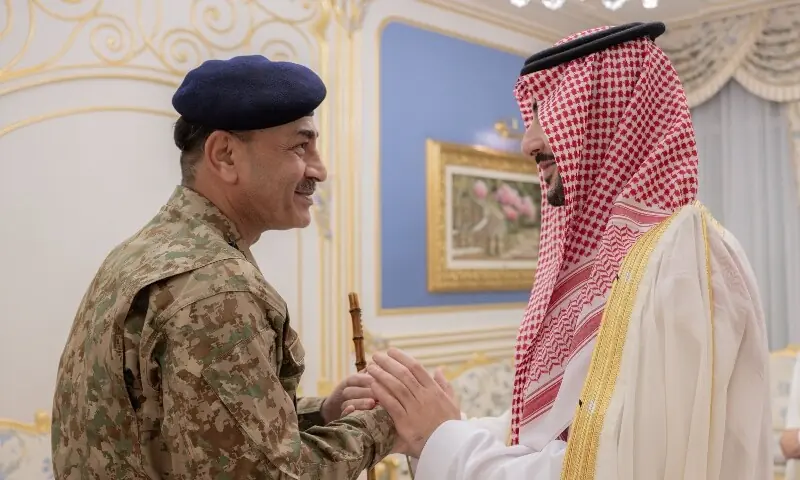
This is where countries like Pakistan, along with other Muslim states that have joined Trump’s proposed Board of Peace, must play a principled role. If these states are serious about peace, they must collectively insist that any long-term settlement includes a credible path to an independent Palestinian state. Silence or acquiescence will only legitimise an arrangement in which Israel continues to dominate Gaza indefinitely under the banner of “security.”
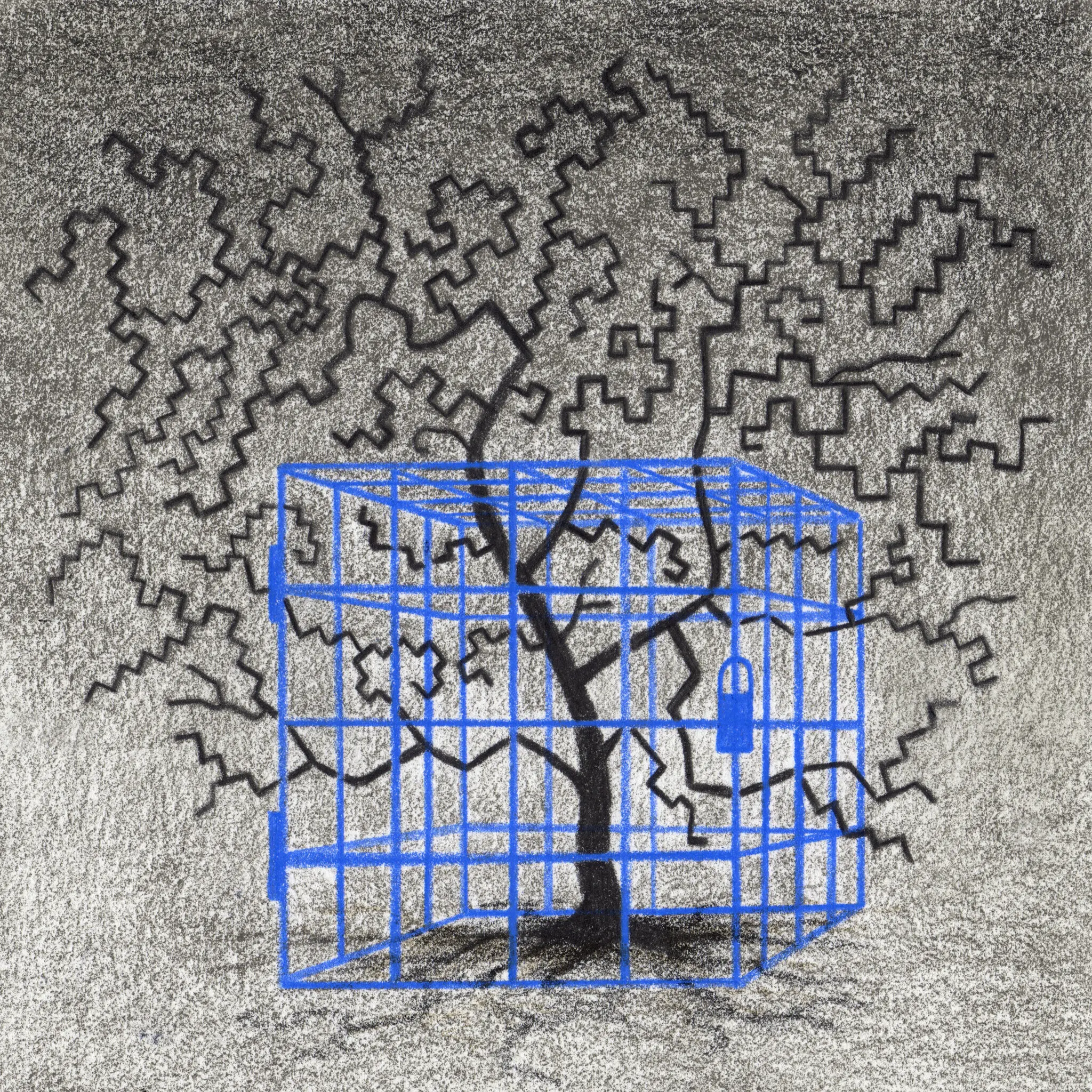
Israel has long justified its control over Gaza by citing security threats. Yet the events of 2023 did not occur in a vacuum. They were the outcome of years of suffocating blockade, with Gaza transformed into what many human rights groups have described as an open-air prison. Israel controlled land crossings, airspace, maritime access, fuel, electricity, and even population records. A population subjected to perpetual siege and humiliation was bound to reach a breaking point.
The solution, therefore, does not lie in cosmetic redevelopment plans or technocratic governance structures imposed from abroad. Nor does it lie in militarised control that treats an entire population as a security risk. The only sustainable answer is a political one: ending occupation and recognising Palestinian statehood as a right, not a bargaining chip.
Until such a roadmap exists, Gaza’s future will remain bleak and uncertain. Peace plans will come and go, crossings will open and close, and committees will be formed and dissolved. But without justice, dignity, and self-rule for Palestinians, no plan — however well-packaged — can deliver lasting peace. The choice before the international community is stark: continue managing the conflict, or finally resolve it by addressing its root cause.