
Zafar Iqbal
The government continues to present foreign direct investment (FDI) as a key pillar of Pakistan’s economic revival. Official statements frequently highlight improving macroeconomic indicators, geopolitical opportunities, and investor outreach initiatives. Yet, beneath this optimism lies a contradiction that investors find hard to ignore. While courting foreign capital, the state is simultaneously placing an ever-heavier tax burden on the formal corporate sector to meet aggressive revenue targets, with little serious effort to widen the tax base.
A recent and telling example is the Federal Constitutional Court’s decision to uphold the retrospective application of the super tax. From a short-term fiscal perspective, this ruling is convenient. It could help the Federal Board of Revenue raise roughly Rs300 billion and avoid the politically costly option of a mini-budget. From an investor’s perspective, however, it sends a deeply troubling signal: that taxes and policies in Pakistan can be changed after the fact, even for past profits and decisions already made under a different legal framework.
This raises a fundamental question. How can the government realistically expect long-term, large-scale FDI into the formal corporate sector when the highest court has validated retroactive taxation? For foreign investors, predictability is not a luxury; it is a prerequisite. Sovereign power may justify such measures legally, but economically, they erode trust.
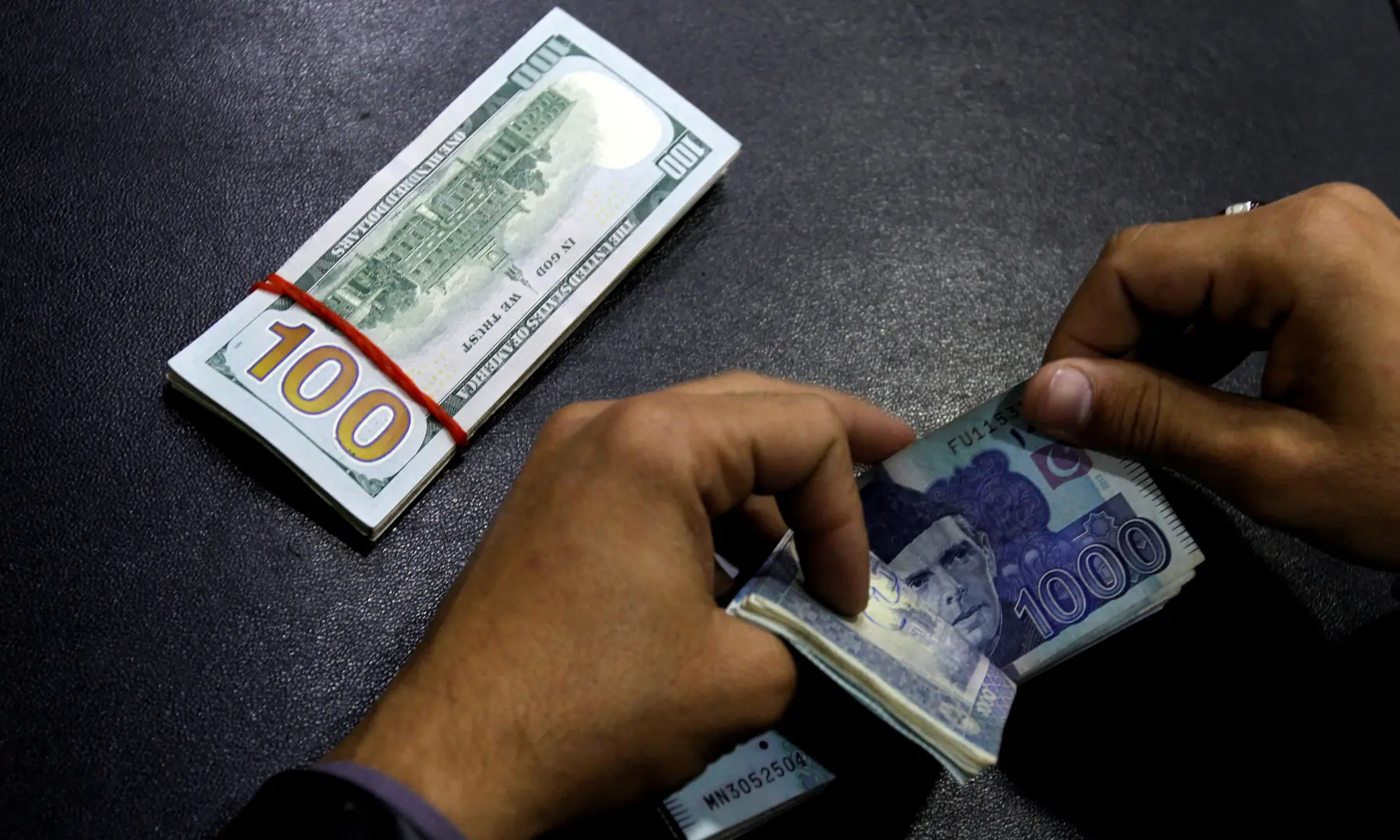
This policy inconsistency helps explain why Pakistan continues to struggle with investment inflows despite achieving relative macroeconomic stability and benefiting from regional realignments. FDI has fallen by 43 percent to just $809 million, already a low base, marking the third-lowest level as a share of GDP in the past two decades. Investors are not merely responding to numbers; they are responding to signals. Backdated levies, sudden policy shifts, and regulatory uncertainty tell them that long-term planning in Pakistan carries unusually high risks.
As tax rates on the formal sector rise, so do incentives to underreport or shift activity into less transparent segments of the economy. This dynamic is already visible. Large business groups are increasingly diversifying away from export-oriented manufacturing and toward retail, real estate, and domestic-facing businesses. Shopping malls, retail chains, and property projects are expanding rapidly, often at the expense of productive, export-led investment.
One of the country’s largest textile exporters has publicly stated that it does not plan to invest further in export-oriented operations. Instead, it is expanding its domestic retail footprint and exploring import-substitution ventures. The logic is simple. Retail and real estate allow partial concealment of sales, easier cash generation, and greater flexibility. That cash can then be moved abroad through informal channels such as hundi-hawala or, increasingly, crypto-based mechanisms. When domestic capital behaves this way, foreign investors take note—and step back.
This trend also helps explain the steady exit of multinational companies from sectors such as pharmaceuticals, FMCG, and consumer goods. Government representatives often downplay these exits, arguing that they are offset by mergers and acquisitions and that local buyers are stepping in. While this is partly true, it misses a deeper issue. Many of these acquisitions are driven by trapped liquidity—profits that cannot be easily repatriated due to explicit or implicit capital controls. Buying local assets becomes a second-best option for investors who would otherwise prefer to exit cleanly.
Meanwhile, sellers in some cases still find legal or semi-legal ways to move funds abroad, reinforcing the perception that the system penalises those who stay formal and compliant. What Pakistan urgently needs is not cosmetic deal-making but confidence-building measures that encourage investors to bring capital in, reinvest profits locally, and commit to long-term formal operations.
The taxation puzzle sits at the heart of this challenge. Fiscal consolidation and debt reduction are legitimate goals, especially given Pakistan’s chronic balance-of-payments pressures. But repeatedly squeezing the same narrow pool of compliant taxpayers is neither sustainable nor growth-friendly. Expanding the tax base—by bringing untaxed sectors, retail, real estate, and agriculture into the net—would ease pressure on the formal corporate sector and improve fairness.
Beyond taxation, structural bottlenecks continue to undermine competitiveness. Government inefficiencies, particularly in the energy sector, raise costs across the economy. High electricity tariffs, unreliable supply, and losses at distribution companies (DISCOs) make Pakistani industry less attractive compared to regional peers. At the same time, capital mobility remains constrained. Whenever economic stress emerges, the State Bank of Pakistan tightens controls on capital flows. While understandable in crisis moments, these restrictions become entrenched and difficult to unwind.
The irony is that lifting capital controls requires fresh inflows and higher reserves, yet Pakistan’s foreign exchange reserves have historically covered only three to four months of imports even in good times. This creates a low-growth equilibrium: stability without momentum. Without a credible and believable growth story, investors remain cautious. This is why, despite a historic rally in the stock market, net foreign portfolio investment remains negative.
The path forward is clear, though politically and administratively difficult. The government must correct course on multiple fronts. Tax policy needs predictability and equity. The energy sector requires deep reform, including the long-delayed privatisation or restructuring of DISCOs. Capital flow management must become more transparent and rules-based. Above all, the state must stop treating formal businesses as an endlessly squeezable resource.
If these reforms are delayed, Pakistan may achieve periods of stability, but it will continue to miss the larger prize: sustained investment-led growth. Without decisive action, the goal of significantly higher FDI will remain more slogan than reality.