
Tahir Maqsood Chheena
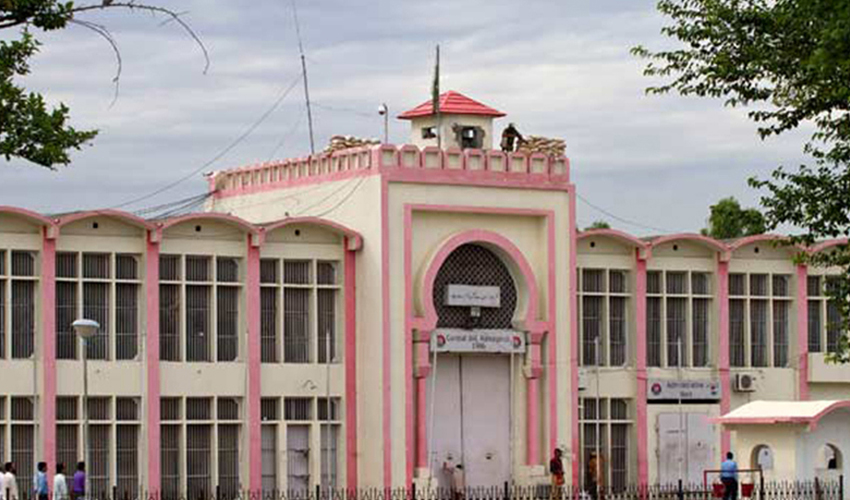
Punjab’s prison system has reached a critical juncture. With occupancy levels standing at 81 percent above capacity, overcrowding has moved beyond administrative inconvenience to a full-blown public health and human rights crisis. The province’s 45 jails, designed to hold fewer than 39,000 inmates, are currently sheltering more than 71,000 prisoners and under-trial detainees. In many facilities, inmates live in conditions three times the intended capacity, with barracks so congested that basic ventilation, personal space, and sanitation are virtually non-existent. Such conditions not only compromise human dignity but actively endanger the health and well-being of those confined.
The roots of this crisis lie largely in an excessive reliance on imprisonment, particularly of under-trial prisoners, who constitute the majority of the jail population. Delays in investigations, prolonged trials, and limited use of bail have fostered a culture that leans heavily toward punitive measures, even for minor offences. Non-violent offenders, petty criminals, and individuals awaiting trial are routinely subjected to the same harsh conditions as convicted felons. This overreliance on incarceration as a first resort reflects systemic inefficiencies in Punjab’s criminal justice system and highlights a broader failure to implement alternatives to detention.
The consequences for health are immediate and severe. Overcrowded conditions reduce immunity and facilitate the rapid transmission of communicable diseases. With only 110 doctors available for over 70,000 inmates, prison healthcare is stretched far beyond capacity. Makeshift medical camps and ad-hoc access to treatment cannot replace a functioning, well-resourced health system. Mental health needs, chronic illnesses, and routine medical care remain largely unaddressed, creating conditions where preventable disease and suffering become inevitable.
Government initiatives, including the construction of new jails and expansion of existing barracks, address the symptoms rather than the underlying causes of the crisis. Without measures to reduce intake, new facilities will quickly reach capacity, repeating the cycle of overcrowding. Structural reform, rather than infrastructure alone, is essential for meaningful change.
Reducing under-trial detention must be a top priority. Faster case disposal, strict enforcement of statutory limits on detention, and increased access to bail can significantly lower the number of individuals confined unnecessarily. Implementing these measures not only alleviates overcrowding but also reinforces the principle of presumption of innocence, a cornerstone of justice.
In parallel, the adoption of non-custodial sentences for minor and non-violent offences is essential. Community service, fines, probation, and other alternatives can reduce prison populations while promoting rehabilitation and social reintegration. These measures also prevent the criminalization of poverty and minor infractions, ensuring that incarceration remains a measure of last resort rather than default practice.
Prison healthcare requires comprehensive reform. Regular independent medical screenings, transparent access to treatment, and systematic healthcare delivery are imperative. Investment in both physical and mental healthcare infrastructure within prisons will not only reduce morbidity and mortality but also uphold the human dignity of inmates. Preventive health programs, vaccination campaigns, and chronic disease management must become standard practice rather than reactive measures.
Finally, judicial oversight of prison conditions must be strengthened. Courts should actively monitor detention facilities, ensuring accountability for administrative lapses and health violations. Transparency, coupled with independent inspections, can deter neglect and abuse while guaranteeing that prison administration aligns with both national and international human rights standards.
Prisons exist to deprive individuals of liberty, not to expose them to disease, neglect, or inhumane conditions. Punjab’s current system fails on multiple fronts—administrative, legal, and health-related. Reform requires a holistic approach that combines judicial intervention, policy change, healthcare improvement, and alternatives to incarceration. Only by addressing these interconnected factors can Punjab create a prison system that is humane, functional, and capable of fulfilling its true purpose: administering justice while protecting human dignity.
The ongoing crisis in Punjab’s jails is both a warning and an opportunity. The province can either continue down a path of overcrowded, under-resourced, and punitive incarceration or embrace a model of reform that prioritizes efficiency, fairness, and health. Comprehensive criminal justice reform, guided by principles of proportionality, rehabilitation, and humane treatment, is no longer optional—it is urgent. Every day of inaction compounds the risks to inmates, staff, and society at large. By implementing reforms now, Punjab can transform its prisons from sites of neglect and risk into institutions that uphold justice, protect health, and respect human dignity.