Tahir Maqsood Chheena
The debate around Maryam Nawaz’s performance as Chief Minister continues unabated. Some argue she appears excessively active and visible, while many remain unconvinced by actual results. When you look toward other provinces, their chief ministers don’t even feature in discussions about whether they’re doing anything at all, because their performance is so unremarkable it escapes scrutiny entirely. The truth is that governance across all four provinces has become a collective failure, a systemic collapse that no amount of publicity can disguise.
The same colonial-era bureaucracy that governed before independence still dominates today. Legislation remains excessively centralized, violating the federal structure the constitution envisioned. Educational standards vary wildly from province to province, with quality declining precipitously in most regions. Healthcare shows no acceptable standard anywhere, with facilities crumbling and services deteriorating. The economic situation improves in no province. Employment opportunities aren’t being created, job generation hovers near zero, and most critically, rule of law fails to function effectively anywhere across Pakistan’s four provinces.
Instead of addressing these fundamental failures, provincial governments manufacture artificial impressions, constructing what can only be described as governance bubbles. These bubbles create illusions of progress while real conditions stagnate or worsen. Punjab’s bubble appears relatively stronger, and Maryam Nawaz presents it more skillfully than her counterparts in other provinces, largely because significantly more resources and capital pour into impression management there. Media campaigns proliferate, ribbon-cutting ceremonies multiply, and announcements cascade without corresponding ground realities shifting for ordinary citizens.
But ground realities tell different stories. Measured against what ordinary Pakistanis need and against genuine governance standards, all four chief ministers deliver disappointing performance. Sindh, Khyber Pakhtunkhwa and Balochistan show governance performance approaching zero. Administrative structures exist on paper but function barely or not at all. Public services remain dysfunctional, corruption continues unchecked, and citizens navigate daily life without meaningful state support or protection.
Provincial governments attempt to conceal these harsh facts through artificial achievements and theatrical initiatives. Projects get announced repeatedly without completion, funds get allocated without utilization, and reforms get proclaimed without implementation. The Pakistani public, however, increasingly sees through these deceptions. Citizens understand now that ceremonial governance differs fundamentally from actual governance, that media visibility doesn’t equal administrative competence, and that photo opportunities don’t translate into improved living conditions.
What people want isn’t theatrical politics or manufactured narratives. They want employment that provides dignified livelihoods. They want freedom to pursue opportunities without bureaucratic strangulation. They want rule of law that protects rather than exploits them, that applies equally rather than selectively, that functions predictably rather than arbitrarily. These basic demands represent minimum expectations from any government, yet no provincial administration demonstrates seriousness about delivering them.
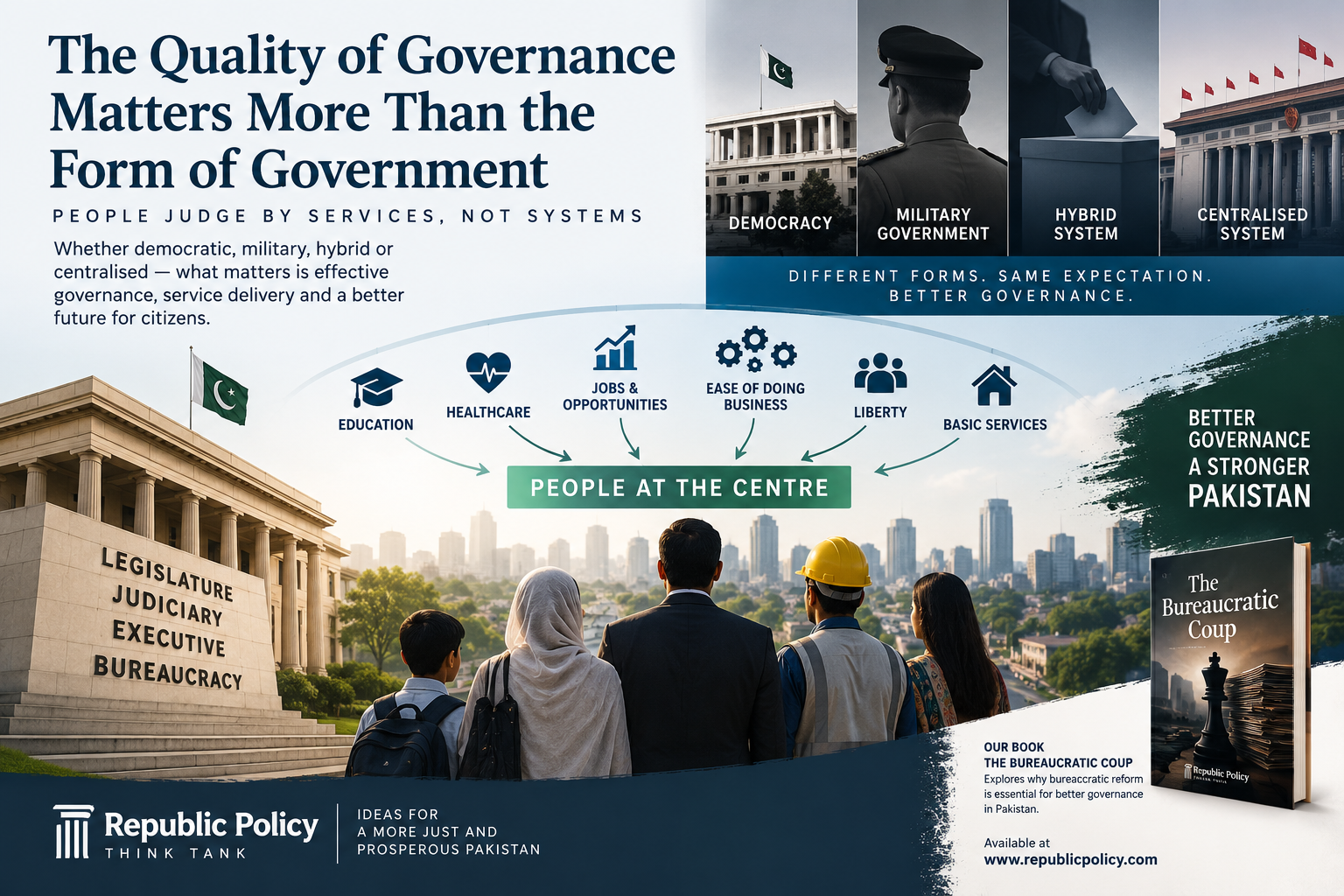
The governance crisis runs deeper than individual chief ministers. It reflects structural problems rooted in colonial administrative systems, centralized constitutional frameworks that contradict federalism, and political cultures prioritizing optics over outcomes. Until provinces dismantle inherited bureaucratic structures, implement genuine devolution, reform ossified civil services, and shift focus from impression management to actual service delivery, this crisis will persist regardless of which personalities occupy chief ministerial positions. Pakistani citizens deserve governments that govern rather than perform, that solve problems rather than advertise initiatives, and that measure success by citizen welfare rather than media coverage.