
Arshad Mahmood Awan
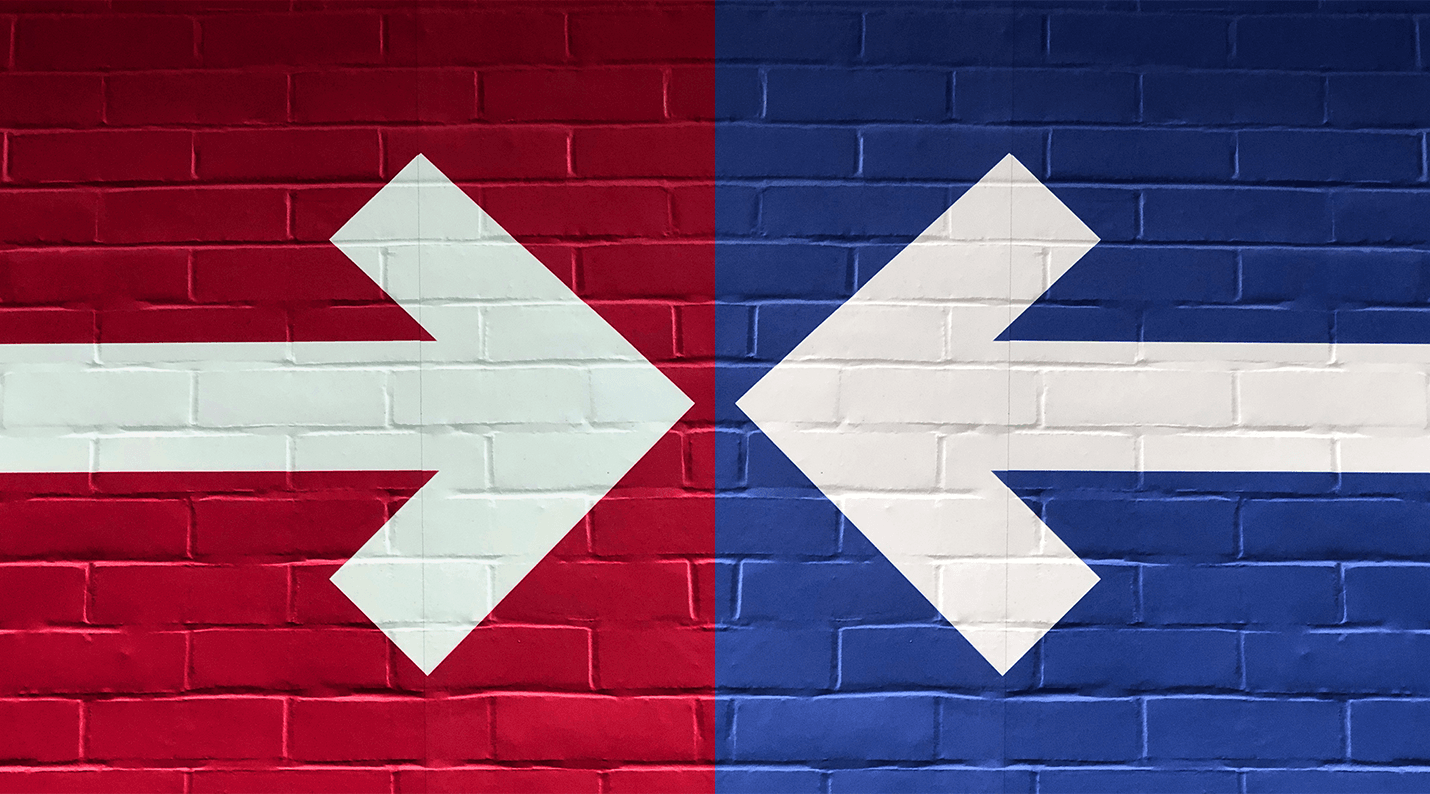
Pakistan finds itself trapped in deepening polarization that threatens its ability to function as a coherent nation. The fractures run along multiple fault lines simultaneously, creating a society where citizens increasingly view each other as adversaries rather than fellow countrymen. Political divisions have become so entrenched that supporters of different parties cannot engage in civil discourse. Religious sectarianism continues dividing communities that once coexisted peacefully. Ethnic tensions simmer beneath the surface, occasionally erupting into violence. Class divisions widen as economic inequality grows more pronounced. Provincial animosities intensify as provinces compete for resources rather than cooperating for national benefit.
This fragmentation poses existential dangers. When a nation divides against itself along so many dimensions simultaneously, it loses the collective capacity to address serious challenges. Pakistan faces numerous crises requiring unified national response: economic instability threatening state solvency, security threats from multiple directions, water scarcity approaching catastrophic levels, educational failure producing generations without necessary skills, healthcare collapse leaving millions without basic services, and climate change impacts already devastating agriculture. Each crisis demands coordinated action, sustained effort, and national consensus about priorities and solutions.
But polarization makes such coordination impossible. Political parties refuse to cooperate even when national interest demands it, preferring to score points against opponents rather than solve problems jointly. Citizens align themselves tribally with political camps, defending their chosen side regardless of facts or national welfare. This tribal politics paralyzes governance because every issue becomes a battlefield where victory matters more than outcomes. Legislation gets blocked not because it’s bad policy but because it comes from opponents. Reforms fail not because they’re unworkable but because accepting them would mean admitting the other side had good ideas.
Religious polarization adds another layer of dysfunction. Communities increasingly define themselves in opposition to other sects or interpretations, viewing diversity as threat rather than strength. This religious fracturing prevents the social cohesion necessary for nation building, turning potential allies into enemies based on theological differences that need not produce political divisions. When citizens cannot worship alongside each other or accept each other’s religious identity as equally legitimate, the social fabric tears in ways that disable collective action.
Ethnic polarization further complicates governance. Provinces view federal arrangements through zero-sum lenses, where one province’s gain automatically means another’s loss. This mentality prevents the cooperative federalism Pakistan desperately needs, where provinces work together recognizing that national prosperity benefits everyone. Instead, ethnic grievances get weaponized politically, historical injustices get invoked to justify present separatism, and provincial identities get constructed in opposition to national identity rather than as components of it.
Class polarization may prove most dangerous of all. When economic inequality reaches levels where different classes inhabit separate realities, share no common experiences, and have no stake in each other’s welfare, society fragments beyond repair. Pakistan’s elite increasingly lives disconnected from masses, inhabiting gated communities, sending children to exclusive schools, accessing private healthcare, and participating in an economy unrelated to what ordinary citizens experience. This disconnection produces policy failures because those making decisions don’t understand or care about consequences for those affected.
Moving forward requires conscious effort to rebuild national cohesion. This doesn’t mean eliminating diversity or demanding conformity. Healthy societies accommodate multiple perspectives, various identities, and competing interests. But they do so within frameworks that maintain overarching national identity and shared commitment to collective welfare. Pakistan needs political leaders willing to prioritize national interest over partisan advantage, religious leaders promoting tolerance rather than sectarianism, provincial governments practicing cooperative federalism, and economic policies reducing rather than amplifying inequality.
The alternative to rebuilding cohesion is continued fracturing until the nation becomes ungovernable. History shows repeatedly that internally divided nations cannot defend themselves, cannot develop economically, and ultimately cannot survive as functioning states. Pakistan must choose whether to remain a nation or devolve into a collection of mutually hostile communities sharing territory but nothing else. That choice grows more urgent as challenges multiply and time for unified response diminishes. A house divided against itself cannot stand, and Pakistan’s house shows dangerous structural cracks that threaten complete collapse unless repaired soon.