Dr Bilawal Kamran
Relations between Pakistan and India are arguably at their lowest ebb since Partition. Bilateral engagement has all but ceased, and the gulf of mistrust between the two countries has never been wider. Against this backdrop, Pakistan has strong reasons to believe that India is playing a direct role in fomenting terrorism within its borders—a claim that, if accurate, makes the current state of affairs unsustainable. When one side perceives constant hostility from the other, the risk of miscalculation and armed conflict becomes an ever-present reality.
India, meanwhile, continues to frame Pakistan as the source of terrorism in the region, repeatedly citing cross-border militant activity as the key obstacle to improved ties. Yet, the irony is stark: while New Delhi accuses Pakistan, it is often India’s own policies and actions that contribute to instability within Pakistani territory. This asymmetric narrative has dominated the discourse for years, making meaningful dialogue increasingly difficult.
At the heart of the tension lies Kashmir, the perennial flashpoint in South Asia. Despite India’s claims following the abrogation of the region’s limited autonomy in 2019, the international community continues to recognise Kashmir as a disputed territory. New Delhi’s unilateral measures have neither resolved the dispute nor diminished its relevance; instead, they have deepened the sense of insecurity across the subcontinent. Without a fair and just resolution, the risk of repeated crises remains high. The Pahalgam incident last year is a case in point: a limited war broke out, underscoring how fragile peace truly is in the region.
Indian repression in occupied Kashmir remains relentless. The people of the region face multiple layers of oppression—not only because of their Kashmiri identity but also due to their Muslim faith. Incidents such as Pahalgam exacerbate an already dire situation. Reports by Human Rights Watch have documented attacks by Hindu mobs across various Indian states targeting Kashmiri students and workers, while UN human rights experts have highlighted “arbitrary arrests, detentions, suspicious deaths in custody, torture, and lynchings” targeting Muslims, including Kashmiris. These facts reveal the stark contrast between India’s self-image as a tolerant democracy and the lived realities of millions under its governance.
Pakistan has long advocated for dialogue with India to find a peaceful, negotiated settlement for Kashmir. Islamabad’s efforts, however, have repeatedly met with rejection, particularly under the leadership of Prime Minister Narendra Modi. New Delhi has consistently refused third-party mediation, dismissing international involvement as unnecessary interference. Yet, the global community cannot afford to remain indifferent. As the crisis festers, the risk of wider instability increases, and the stakes extend far beyond South Asia’s borders.
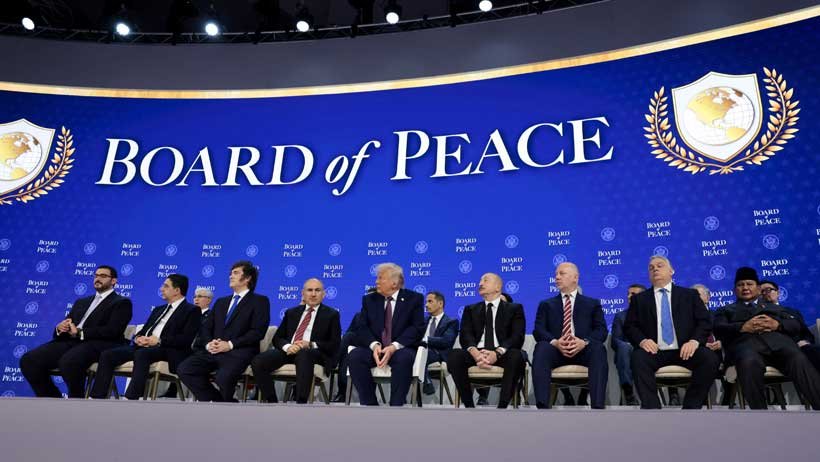
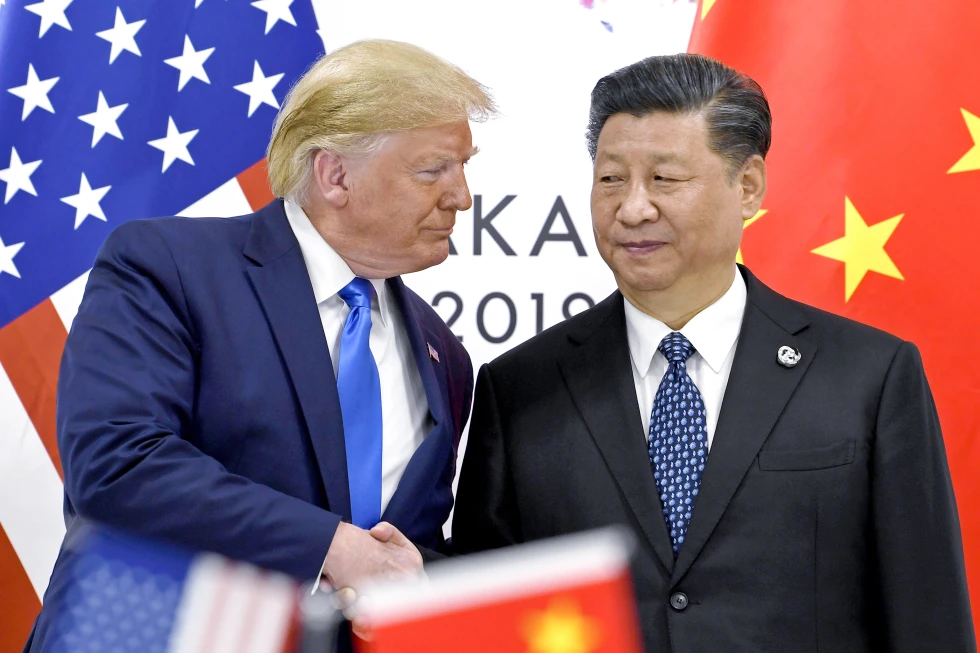
Some international actors have indicated a willingness to intervene. Former US President Donald Trump, for instance, has publicly stated his readiness to mediate and has claimed to have “stopped the war” between Pakistan and India. He even suggested that he could resolve almost any conflict, signaling potential avenues for engagement. Initiatives like his proposed Board of Peace could, if utilised effectively, serve as platforms for addressing the Kashmir dispute. India, which often speaks in a tone of defiance, would find it difficult to resist international pressure, as evidenced by its recent agreement to halt Russian oil imports under global diplomatic influence.
The consequences of ignoring Kashmir are profound. Each unaddressed grievance fuels resentment, reinforces mistrust, and perpetuates cycles of violence. For Pakistan, the challenge is twofold: defending its sovereignty against cross-border threats while simultaneously advocating for the rights of Kashmiris under occupation. For India, the issue is equally critical; its insistence on unilateral measures and refusal to entertain dialogue or mediation only isolates it diplomatically and deepens domestic and regional tensions.
A sustainable solution requires a pragmatic approach grounded in international law, human rights, and genuine dialogue. Third-party mediation, far from being an intrusion, could provide the neutral framework necessary for both countries to engage constructively. The world’s attention, particularly that of influential powers like the United States and European nations, must remain focused on preventing further escalation. Without sustained engagement and pressure, both nations risk sliding back into conflict, threatening not just regional stability but global security.
Ultimately, peace in South Asia depends on resolving the Kashmir issue fairly and equitably. The people of the region—whether in Pakistan, India, or Kashmir—deserve security, dignity, and justice. Pakistan’s consistent advocacy for dialogue and India’s current intransigence illustrate the high stakes involved. The international community must recognise that merely condemning violence is insufficient; proactive mediation, sustained diplomacy, and accountability are essential to breaking the cycle of mistrust and ensuring lasting peace. Until then, the shadow of conflict will continue to loom over one of the world’s most densely populated and strategically important regions.