
Arshad Mahmood Awan
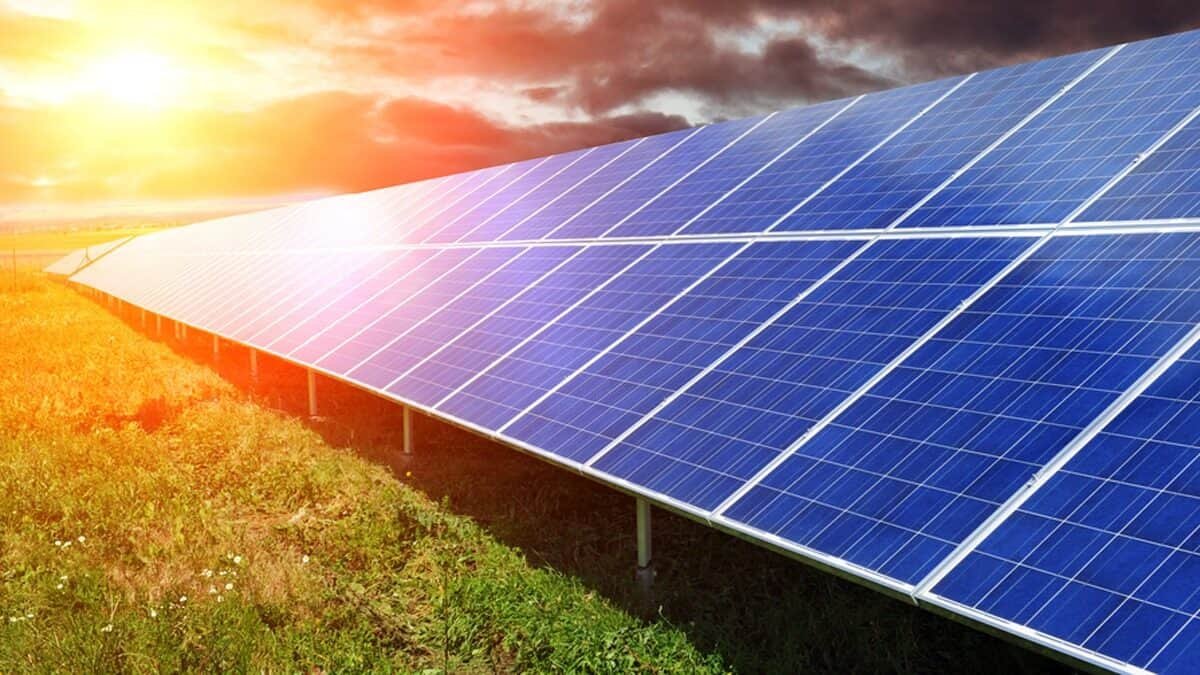
Just when Pakistani households began seeing rooftop solar as a practical hedge against soaring electricity bills, the government appears poised to change the rules, potentially turning one of the country’s few consumer-led energy successes into a new financial burden. The National Electric Power Regulatory Authority (Nepra) is considering a shift from net metering to net billing — a seemingly technical change with far-reaching consequences for ordinary citizens already struggling with inflation, high taxes, and unreliable energy supply.
At its core, the distinction is simple but significant. Net metering allows solar users to offset their electricity consumption at the same rate they pay for power from the grid. Every unit of surplus electricity fed back into the system earns full credit, effectively reducing monthly bills and making solar adoption financially viable. Net billing, in contrast, compensates households for their surplus power at a lower rate, creating a structural imbalance that favors the grid over the prosumer.
Under the draft Prosumer Regulations 2025, new solar adopters could receive as little as Rs11 per unit for the electricity they export, while paying around Rs26 per unit when drawing power from the grid. Even existing prosumers are not exempt. They could face mandatory migration to the new system, with tighter settlement timelines, reduced contractual protections, and diminished financial returns. For households and small businesses that invested in rooftop solar to escape rising power tariffs, this represents a fundamental shift in economics: payback periods lengthen, returns shrink, and the incentive to invest in clean energy diminishes.
The motivation behind this change appears at least partly fiscal. Electricity has quietly become one of the state’s most reliable revenue streams. Every unit sold through the grid carries embedded surcharges, levies, and taxes, which significantly bolster government coffers. When households generate their own electricity, not only do they reduce their consumption of grid power, but they also limit the state’s flow of revenue. Critics argue that the proposed net billing system is a way to reclaim some of that lost income at the expense of citizens who took proactive steps to reduce their reliance on the grid.
At Nepra’s recent public hearing, the backlash was palpable. Stakeholders, from solar industry representatives to environmental advocates, warned that the proposed regulations could slow the adoption of clean energy and contradict Pakistan’s climate commitments. For years, rooftop solar has been one of the few bright spots in Pakistan’s energy landscape — a success driven not by state incentives alone but by households’ willingness to invest their own resources. Penalizing this initiative risks undermining both public trust and long-term climate goals.
Beyond fiscal considerations, there is a deeper question of fairness. Consumers who invested in rooftop solar did so under the assurance of net metering contracts. These contracts were not mere suggestions; they were binding agreements that shaped investment decisions. Forcing households to accept reduced compensation for their surplus electricity breaches that trust. The economics of solar adoption are no longer just about recouping an upfront cost; they are about long-term financial planning. Shrinking returns can deter future investment, stall the growth of renewable energy, and push Pakistan further into reliance on fossil fuels.
Reform, critics argue, should target inefficiency and theft, not penalize citizens who are producing clean energy. Pakistan’s energy sector faces significant structural challenges, from line losses to billing inefficiencies and poor enforcement of regulations. Addressing these issues would improve system performance without discouraging household participation in renewable energy. Maintaining existing net-metering contracts in full is a simple but critical step toward balancing fiscal needs with public trust.
The broader implications of moving from net metering to net billing are substantial. Beyond financial calculations, the policy shift could signal that citizens who invest in self-reliance are not valued, a message particularly concerning in a country where households are already heavily taxed and face frequent power outages. Rooftop solar adoption is more than just an economic choice; it represents a societal commitment to clean energy, energy independence, and climate responsibility. Undermining that commitment for short-term fiscal gain could have long-term costs that far exceed any immediate revenue boost.
Pakistan stands at a crossroads. It can continue to nurture rooftop solar as a grassroots solution to rising electricity prices and environmental concerns, or it can prioritize short-term revenue collection at the expense of long-term energy security and public confidence. In an era when climate commitments and clean energy adoption are global priorities, discouraging citizen-led investment seems not only counterproductive but also unfair. For households that took bold steps to reduce energy bills and support sustainable practices, the least they deserve is stability and the full fulfillment of their contracts.
In short, net metering should remain intact, and any reforms should focus on improving the system rather than penalizing those who invest in it. Pakistan’s solar success story is fragile, and moving the goalposts now could turn a rare citizen-led victory into yet another burden for households already stretched thin.