
Editorial
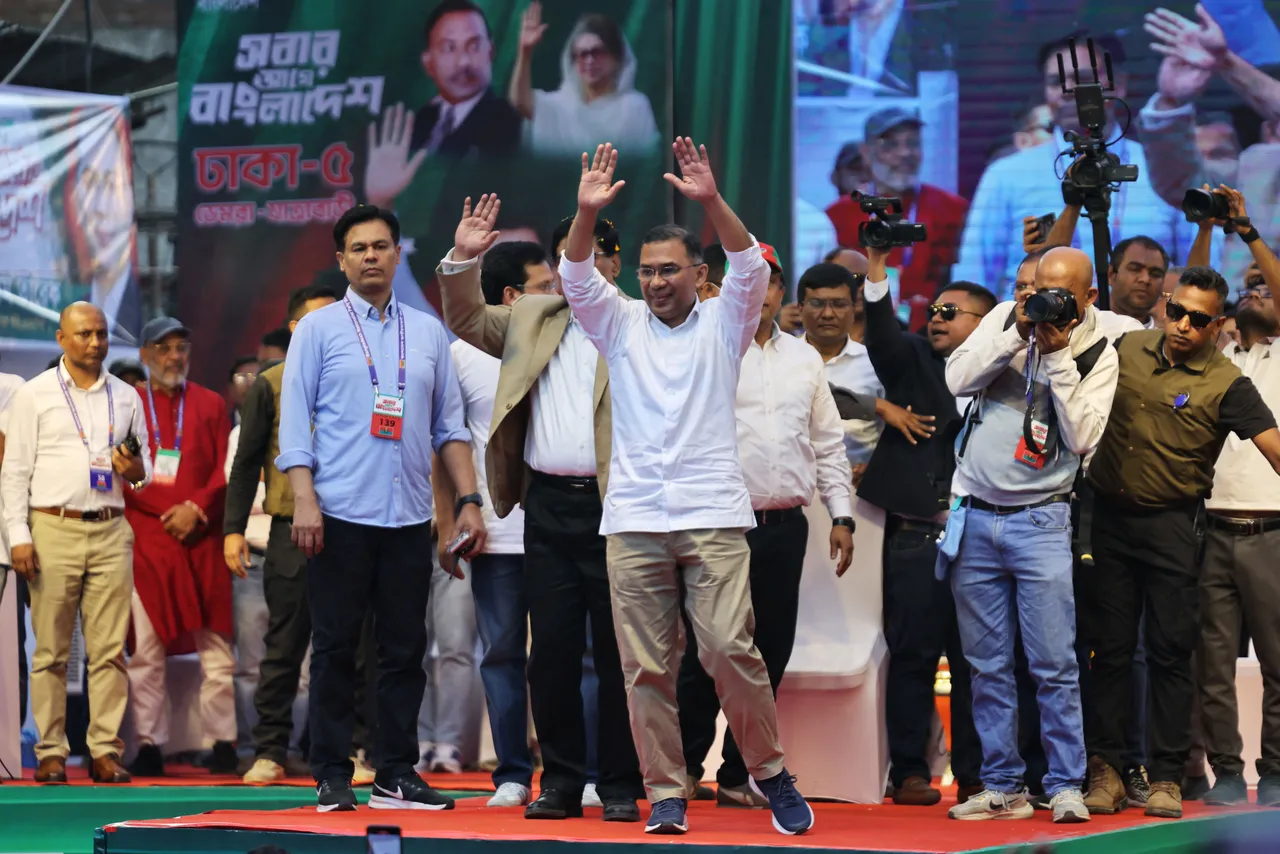
Bangladesh has crossed a critical threshold. The parliamentary elections concluded Thursday mark the nation’s first democratic exercise since the 2024 uprising expelled Sheikh Hasina from power. The Bangladesh Nationalist Party’s commanding victory, securing 209 seats against Jamaat-e-Islami’s 77 in the 300-seat parliament, signals more than electoral success. It represents a fundamental shift in South Asian political dynamics that will test regional relationships and redefine strategic alignments.
International responses reveal competing interests beneath diplomatic congratulations. Turkey, China, Pakistan, Malaysia, and the United States all welcomed the outcome and pledged stronger ties with Tarique Rahman’s government. Their enthusiasm reflects opportunities they perceive in Bangladesh’s transition. A new government means new partnerships, fresh economic arrangements, and potential strategic realignments in a region where influence matters greatly.
India’s position stands notably apart. Prime Minister Modi offered public support for democratic Bangladesh while privately holding a congratulatory call with Rahman. Yet New Delhi’s refusal to send election observers despite invitations speaks louder than diplomatic pleasantries. This reluctance stems directly from India’s harboring of Hasina, who fled there following her ouster and now faces a death sentence from Bangladesh’s International Crimes Tribunal for her role in the 2024 crackdown.
This creates a fundamental problem for regional stability. Bangladesh and India share deep historical, cultural, and economic connections that transcend any single leader. Their cooperation matters for trade, security, water management, and counterterrorism. Yet India’s protection of a convicted former leader poisons the relationship at its source. Dhaka’s extradition demand places New Delhi in an impossible position: abandon a longtime ally or damage ties with an increasingly important neighbor.
The path forward requires difficult choices. Bangladesh must build functional democracy while managing international relationships carefully. India must decide whether loyalty to Hasina outweighs strategic interests in Bangladesh. Other powers will exploit any rift that emerges. The election succeeded, but the real test lies ahead in whether democratic transition can coexist with regional stability, or whether South Asia faces another period of fractured relationships and competing spheres of influence.