Khalid Masood Khan
India has announced a defence budget of eighty-five billion dollars. The figure is unprecedented. The timing is significant. The implications extend far beyond procurement lists and modernisation schedules. This budget arrives less than a year after a brief but revealing military confrontation with Pakistan, a clash that exposed gaps between Indian expectations and battlefield realities. New Delhi entered that conflict projecting dominance. It exited with damaged aircraft, international scrutiny, and domestic political questions that remain unanswered. Against that backdrop, the scale of this budget increase invites interpretation beyond routine defence planning.
From Islamabad’s perspective, the message is unmistakable. This is not merely about replacing outdated equipment or matching regional capabilities. This is about political positioning, about restoring a narrative of strength that recent events called into question. When governments face domestic pressure after underwhelming military outcomes, defence spending often becomes the preferred response. It signals resolve to external audiences while reassuring domestic constituencies that lessons have been learned and corrections made. But such signals carry consequences, particularly in regions where security dilemmas are already deeply embedded.
The budget itself reveals ambitious intent. Fighter aircraft, advanced drones, submarine fleets, missile systems, and high-speed military infrastructure dominate the allocation. India frames these investments as part of a broader push toward strategic autonomy and domestic manufacturing capacity, linking defence spending to industrial policy and national self-reliance. The narrative is coherent from New Delhi’s standpoint, aligning security imperatives with economic development goals. Yet neighbours inevitably read such expansions differently. Capabilities, once acquired, shape behaviour regardless of stated intentions. What begins as defensive modernisation can easily evolve into offensive posture, especially when political incentives favor confrontation over restraint.
Pakistan’s concern is therefore structural rather than speculative. Defence expansions following unresolved conflicts tend to narrow diplomatic space. They encourage signalling behavior, create escalation ladders, and reward risk-taking among political leaders seeking domestic approval through displays of strength. In a nuclearised environment where decision-making timelines are compressed and miscalculation carries catastrophic consequences, these dynamics become inherently dangerous. The problem is not simply what India purchases but the context in which those purchases occur and the political pressures that will shape their eventual use.
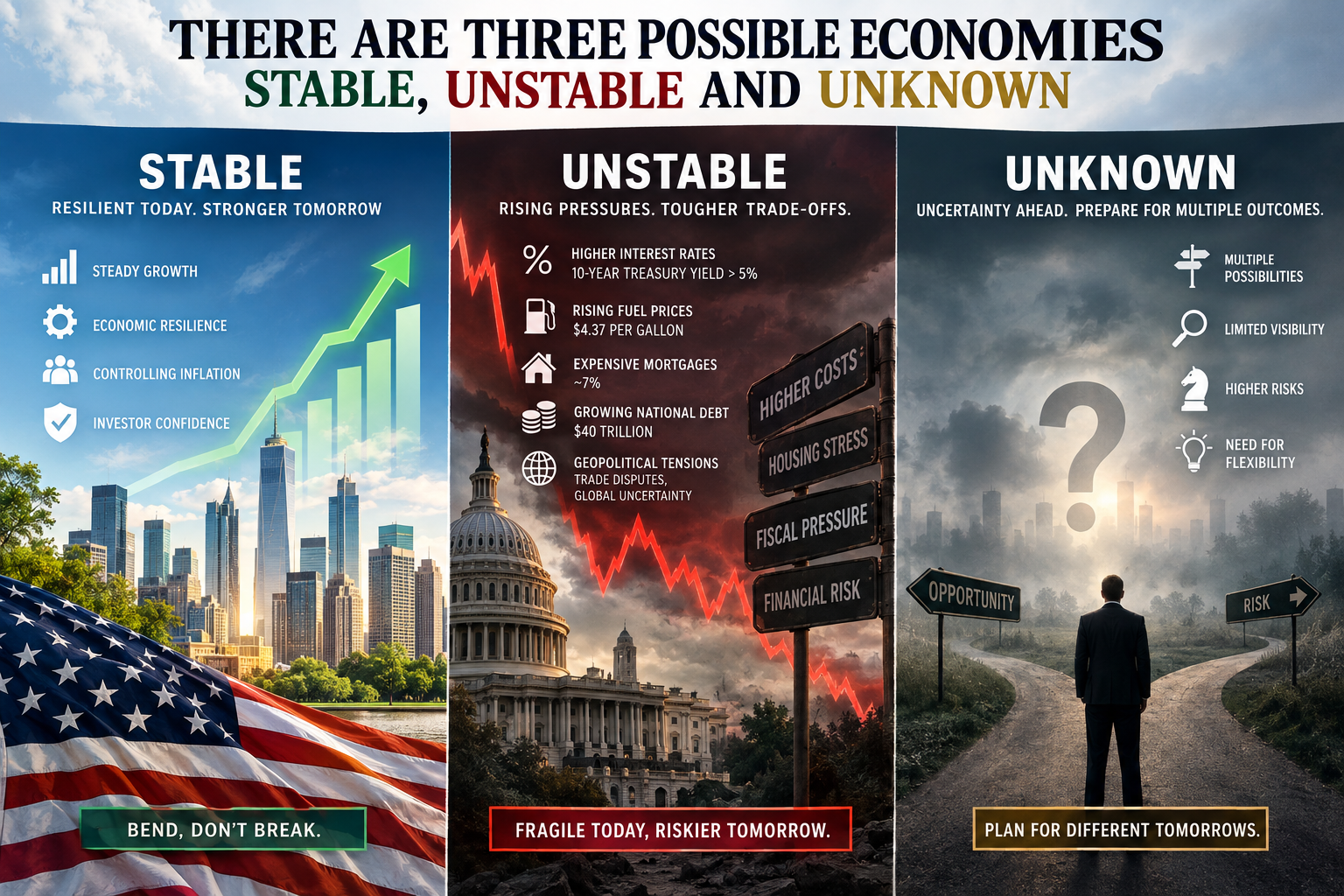
These regional anxieties exist within a far broader and more troubling global pattern. Since President Trump’s return to office and his systematic disruption of established trade relationships, alliance structures, and security norms, international restraint has weakened dramatically. Defence budgets are rising across continents, driven less by confidence in military solutions than by uncertainty about diplomatic frameworks. Europe is rearming. The Middle East is stockpiling advanced weapons systems. Parts of Asia are accelerating defence spending at rates unseen in decades. Arms budgets have become insurance policies against a world increasingly perceived as unpredictable and transactional rather than rules-based and cooperative.
India’s budget increase fits perfectly into this trend. It reflects a global drift toward militarisation as diplomacy struggles to keep pace with shifting power balances and eroding multilateral institutions. Yet history offers precious little evidence that higher arms spending produces genuine stability. More commonly, it entrenches mutual suspicion and accelerates arms races that develop self-sustaining momentum. Countries spend to match perceived threats, which prompts neighbours to increase their own spending, which validates the original threat perception, creating cycles that are far easier to start than to stop.
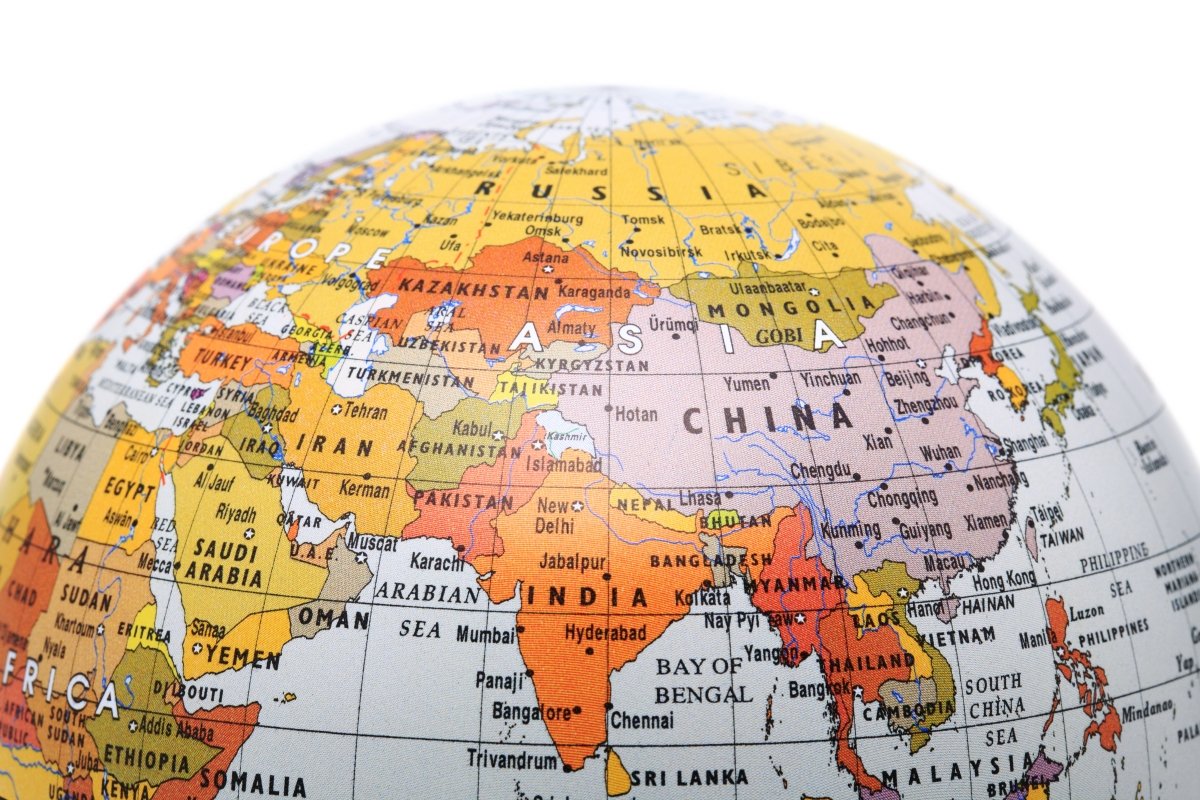
South Asia, with its legacy of partition, repeated wars, and persistent mistrust, is particularly vulnerable to these dynamics. The region already operates under the shadow of nuclear deterrence, a reality that theoretically imposes caution but in practice creates its own dangers. Nuclear weapons do not eliminate conflict; they change its character and raise its stakes. In an environment where both sides possess strategic arsenals, conventional military buildups become especially risky because they can create pressures to escalate quickly in crises before advantages disappear.
Pakistan’s challenge is therefore twofold. It must assess India’s defence posture with clear-eyed realism rather than reactive rhetoric, recognising both the domestic political drivers behind the spending and the strategic consequences that will follow regardless of intent. Simultaneously, it must resist being drawn into escalatory patterns that serve short-term political narratives in New Delhi rather than Pakistan’s own security interests. Recent experience suggests that restraint, backed by credible deterrence and sustained diplomatic engagement, has denied provocation its intended political payoff. That lesson remains relevant even as regional military balances shift.
Restraint, however, should not be confused with complacency or indifference. A region witnessing rapid military expansion cannot rely on assumptions of perpetual rationality. Crisis management mechanisms matter more, not less, when arsenals expand. Communication channels between military commands, confidence-building measures, and protocols for preventing accidental escalation become essential rather than optional. The absence of such guardrails dramatically increases the likelihood that miscalculation rather than strategic calculation determines outcomes. In South Asia, where nationalist politics often reward confrontation and punish accommodation, these risks are already substantial. Higher defence spending without corresponding investment in conflict prevention mechanisms makes them worse.
There is also a broader question that extends well beyond the Pakistan-India relationship. Rising defence budgets across continents are symptoms of deeper dysfunction in the international system. As economic uncertainty grows, multilateral frameworks weaken, and great powers pursue increasingly zero-sum competition, governments are turning to military spending as a substitute for diplomatic solutions and institutional cooperation. This may satisfy domestic political audiences in the short term, providing visible evidence that governments are taking security seriously. But it leaves societies objectively poorer, demonstrably less secure, and more deeply divided over the long term. Resources devoted to weapons systems cannot simultaneously fund education, healthcare, infrastructure, or the economic development that ultimately determines national power.
India will defend this budget in New Delhi as prudent, necessary, and appropriate to its regional and global ambitions. From Pakistan’s perspective, it sharpens legitimate concerns about intent, timing, and consequence, arriving so soon after a military confrontation that established Pakistan’s tactical capabilities and exposed gaps in Indian planning. Combined with global trends toward militarisation and away from diplomatic engagement, it reinforces a sense that the international system is edging toward confrontation rather than accommodation, toward arms races rather than arms control, toward crisis management through deterrence rather than conflict prevention through dialogue.
For Pakistan, the imperative remains clear. Read these signals calmly and accurately. Strengthen deterrence without theatrical gestures or needless provocation. Maintain focus on preventing crises rather than merely responding to them. In a region where the human and economic costs of misjudgement are well documented and horrifyingly high, prudence is not weakness. It is the truest form of strength.