
Editorial
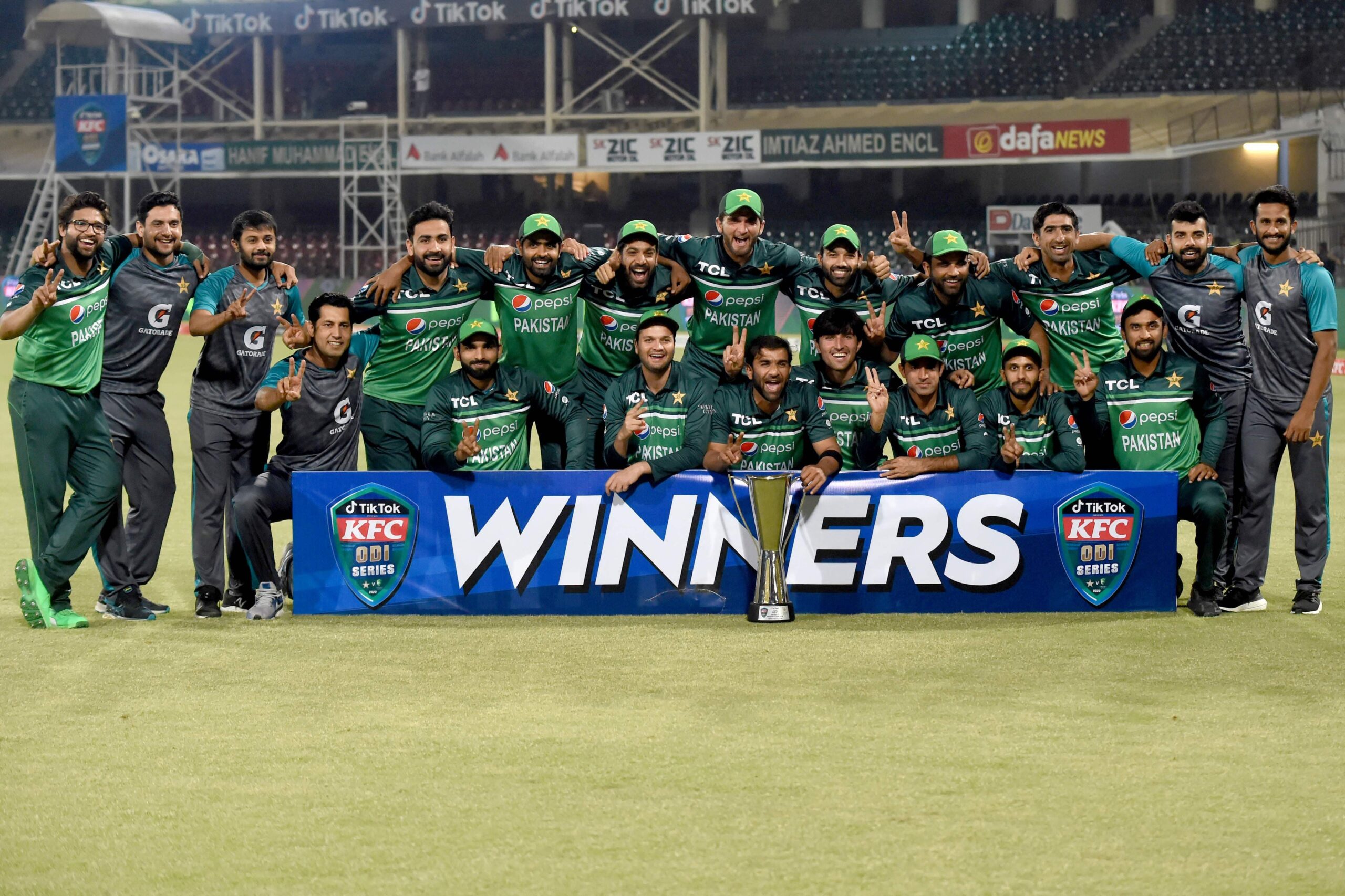
The debate over Pakistan’s recent defeat to India is being reduced to the wrong questions. People argue about team selection, combinations, or whether it was the right squad for the occasion. But that is not the real issue. The deeper problem lies elsewhere.
A national team’s performance is not created in isolation; it is the product of the institution that governs it. In Pakistan’s case, that institution is the Pakistan Cricket Board. The quality of cricket on the field is directly linked to the quality of governance off the field. Infrastructure, technology, professional structures, long-term planning, fitness systems, talent scouting, data analysis, and transparent administration — these are not luxuries; they are essentials.
If the organization is weak, politicized, or unstable, the team will reflect that instability. Frequent changes in leadership, unclear policies, inconsistent domestic structures, and short-term decision-making prevent continuity and growth. Reform must begin at the top: how the chairman is selected, how administrators are appointed, how departments function, and how accountability is ensured.
Talent development is another critical area. Without strong academies, modern coaching, psychological training, and sustained investment, players cannot compete with teams that operate in highly professional systems. Mental toughness does not appear magically; it is cultivated through structured systems, exposure, and institutional support.
Pakistan cricket remains static while international cricket evolves rapidly in professionalism, fitness standards, technology use, and strategic planning. Until the governance structure is reformed and institutionalized, on-field success will remain inconsistent. The gap between Pakistan and the modern cricketing world will only widen unless structural change becomes the priority.