
Editorial
Iran’s Islamic Revolutionary Guard Corps launched military exercises in the Strait of Hormuz on Monday, a calculated display of strength on the eve of critical negotiations with the United States in Geneva. The timing is deliberate. Tehran is signaling that it will not enter talks from a position of perceived weakness, even as President Donald Trump’s “armada” looms in regional waters.
The exercises, overseen by IRGC chief General Mohammad Pakpour from Abu Musa Island, showcase Iran’s asymmetric warfare capabilities in a chokepoint through which a quarter of global seaborne oil and a fifth of liquified natural gas transit. IRGC navy official Mohammad Akbarzadeh’s warning that all foreign ships remain “under full intelligence surveillance” underscores Iran’s strategy: leverage its geographic advantage to offset American conventional military superiority.
This brinkmanship reflects decades of Middle Eastern power dynamics where symbolic gestures carry strategic weight. Iran has repeatedly threatened to close the strait during periods of heightened tension but has never followed through, understanding that such action would invite overwhelming international response. The threat itself, however, remains potent enough to influence negotiations and remind global markets of vulnerability.
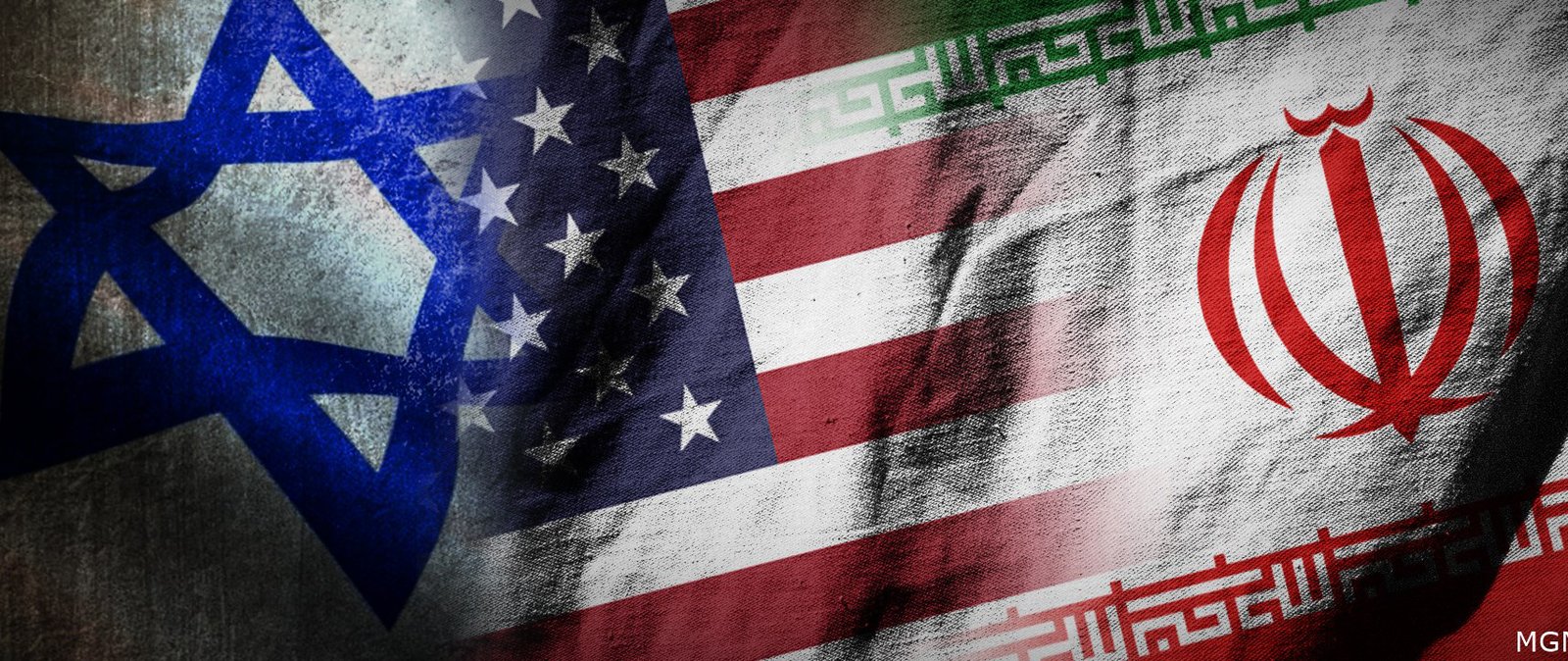
The context matters enormously. Talks resume after diplomacy collapsed last June when Israel struck Iran, with the United States briefly joining attacks on Iranian nuclear facilities. Trump’s deployment of the USS Abraham Lincoln and the imminent arrival of the USS Gerald R. Ford represents maximum pressure tactics familiar to regional observers. Washington is betting that military intimidation will force Iranian concessions.
But Iran’s counter-strategy has consistently relied on escalatory demonstrations rather than capitulation. The IRGC drills, featuring missiles capable of destroying destroyers within a thousand-kilometer radius, send a message to both Washington and regional allies: American naval superiority does not guarantee American invulnerability in confined waters.
Oman’s mediation role is significant. As a neutral Gulf state maintaining relations with both Tehran and Washington, Oman provides diplomatic space that neither Saudi Arabia nor the UAE could offer. Yet the gulf between American demands and Iranian red lines remains vast.
The fundamental question facing Geneva talks is whether either side is genuinely prepared to compromise or merely engaged in theater before inevitable escalation. Iran’s Hormuz exercises suggest Tehran believes strength, not concession, opens diplomatic possibilities in Middle Eastern negotiations.