
Editorial
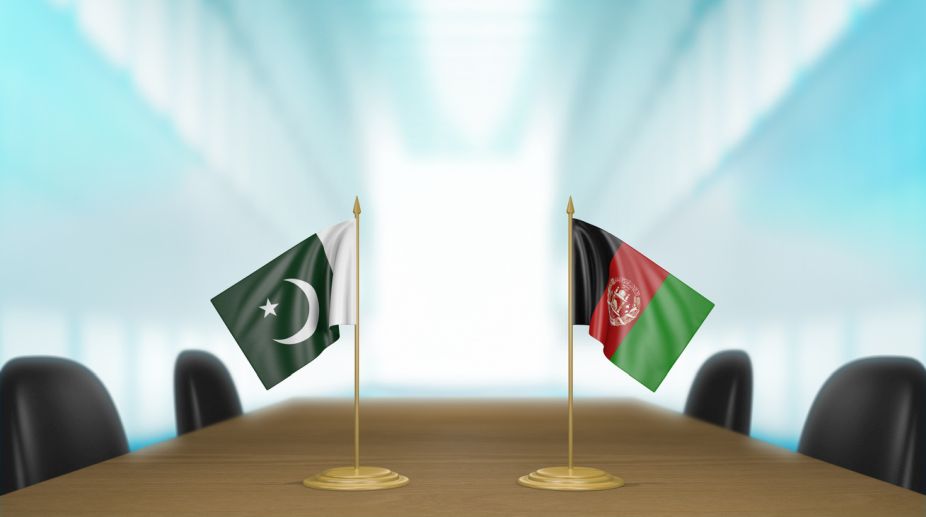
The guns are firing again along the Afghanistan-Pakistan frontier, and this time the claims coming from both sides carry enough specificity to suggest the situation is more serious than the usual cycle of accusation and counter-accusation.
Afghan Taliban spokesman Zabihullah Mujahid has claimed that Pakistani border posts were attacked, personnel killed, and positions seized. Islamabad denied the claims, announced that 36 Taliban fighters died in retaliatory fire, and confirmed the loss of two of its own soldiers. Days earlier, Pakistan had struck seven militant positions inside Afghan territory, claiming more than eighty killed. Kabul condemned the strikes and promised a response at a time of its choosing.
This is not new friction. Since the Taliban retook Kabul in August 2021, Pakistan has conducted multiple cross-border strikes, border skirmishes have flared repeatedly, and a Qatar and Turkey-brokered ceasefire last year proved short-lived. The underlying dispute has never been resolved: Pakistan insists the Afghan Taliban provide shelter and support to the Tehreek-e-Taliban Pakistan, which has been systematically attacking Pakistani security forces for years. The Taliban deny it and tell Pakistan to fix its own house.
Both positions contain some truth and neither side is seriously engaging the other’s core concern.
The harder question now is military reality. The Afghan Taliban are experienced guerrilla fighters who spent twenty years defeating the most powerful military alliance in history on home terrain. But guerrilla capability is not the same as conventional war capability. Sustaining territorial offensives, projecting force across a defended border against a nuclear-armed state with a professional army and an active air force, is an entirely different enterprise. The Taliban know this. Pakistan knows this. Which means what is happening on the border is most likely coercive signalling, each side testing the other’s pain threshold, rather than the opening of a genuine war.
The danger is that coercive signalling escalates past the point either side intended to reach. That is how border disputes become something worse. Both governments would be wise to return to the table before the signals become something neither can recall.