
Editorial
The escalating conflict between Iran, Israel, and the United States has intensified tensions across the Middle East, threatening both regional stability and global security. What began as a series of long-standing hostilities and proxy confrontations has now transformed into a direct confrontation, with airstrikes, missile launches, and strategic targeting becoming daily realities. This war reflects decades of mutual distrust, ideological differences, and conflicting regional ambitions. Iran’s regional assertiveness and Israel’s security concerns, backed by U.S. strategic interests, have created a volatile environment where any miscalculation could trigger far-reaching consequences.
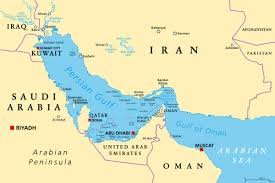
Militarily, Israel and the United States have concentrated on dismantling Iran’s strategic and military infrastructure, including critical petrochemical and energy facilities. In response, Iran has launched retaliatory attacks, including missile and drone strikes on Israeli territory and U.S. positions in the Gulf. This tit-for-tat escalation underscores that the conflict is not limited to traditional battlefields but has broader geopolitical and economic implications. Disruptions in the Strait of Hormuz have already caused fluctuations in global oil markets, highlighting how regional conflicts can swiftly affect international trade, energy security, and economic stability.
In this high-stakes scenario, Pakistan has sought to assert a constructive role by offering mediation to prevent further escalation. Islamabad’s proposed framework, the so-called “Islamabad Accord,” envisions a phased ceasefire and subsequent negotiations with guarantees for both security and economic stability. This diplomatic initiative positions Pakistan as a proactive actor in regional crisis management, reflecting its historical advocacy for peace and its growing recognition of the strategic importance of regional stability for South Asia.
The human, economic, and political costs of continued conflict are immense. Civilians bear the brunt of airstrikes, energy markets remain unstable, and global diplomacy faces increased strain. The situation emphasizes the need for dialogue, negotiation, and compromise over unilateral action. Constructive engagement, guided by international law and respect for sovereignty, is essential to avoid a prolonged cycle of retaliation and destruction.
Ultimately, the Iran–Israel–U.S. conflict demonstrates that regional wars can have global ramifications, requiring inclusive diplomacy and pragmatic strategies. Pakistan’s mediation efforts illustrate how regional powers, even those not directly involved in combat, can play a stabilizing role. A sustainable resolution will demand courage, foresight, and a willingness to prioritize human and regional security over narrow strategic objectives.