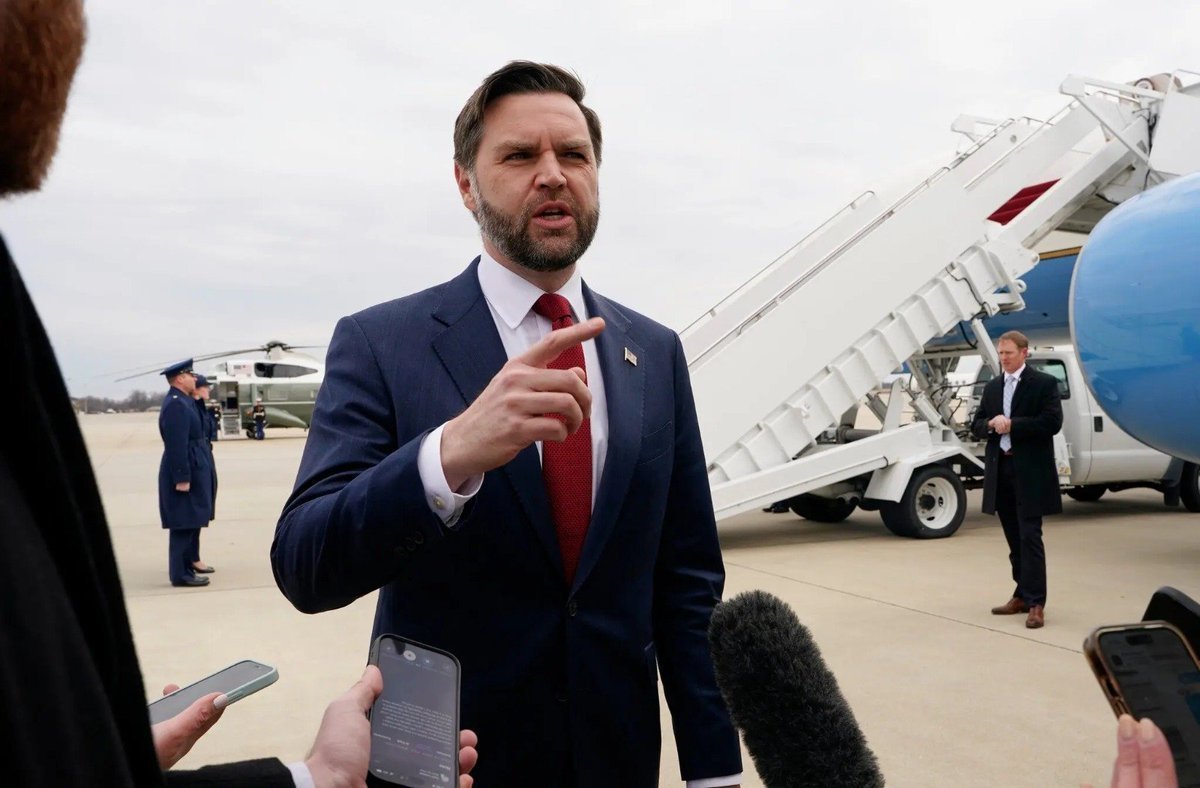

High-stakes negotiations between the United States and Iran in Islamabad ended without a breakthrough after nearly 21 hours of intense discussions, marking a setback in efforts to ease long-standing tensions. US Vice President JD Vance, who led the American delegation, said Tehran declined to accept Washington’s conditions, particularly regarding nuclear commitments.
Speaking before departing Pakistan, Vance stressed that the US was seeking a clear and binding assurance from Iran that it would neither develop nuclear weapons nor pursue the capability to do so. He suggested the failure to reach an agreement would have more serious consequences for Iran than for the United States.
Despite the deadlock, analysts believe diplomacy is not over. The involvement of former US President Donald Trump in sending such a senior delegation signaled the importance Washington attaches to these talks. Observers say negotiations may continue remotely, with major sticking points including Iran’s stance on nuclear development and control over the Strait of Hormuz.
Iran, however, appeared measured in its response. Foreign Ministry spokesperson Esmaeil Baghaei said no one expected an agreement in a single meeting and expressed confidence that dialogue would continue.
Meanwhile, Pakistan urged both sides to maintain momentum and work toward a lasting regional peace.