
Editorial
Pakistan’s education system is failing its children on four fronts simultaneously, and the federal government is making it worse. Since 2019, first under the banner of the Single National Curriculum and now rebranded as the National Curriculum Council, the state has quietly stripped the provinces of their constitutional authority over education. The 18th Amendment was unambiguous: education belongs to the provinces. What has happened since is not reform. It is usurpation.
The provinces are nominally consulted, their names attached to documents they did not meaningfully author. The curriculum that emerges from this process is a central imposition dressed in federal clothing. And it is a deeply troubled curriculum. It carries within it the seeds of extremism, sidelining women, erasing religious minorities, suppressing cultural diversity, and silencing languages that millions of Pakistanis speak at home. Most damaging of all, it produces graduates who cannot think. Critical awareness is not an afterthought in this curriculum — it is an enemy.
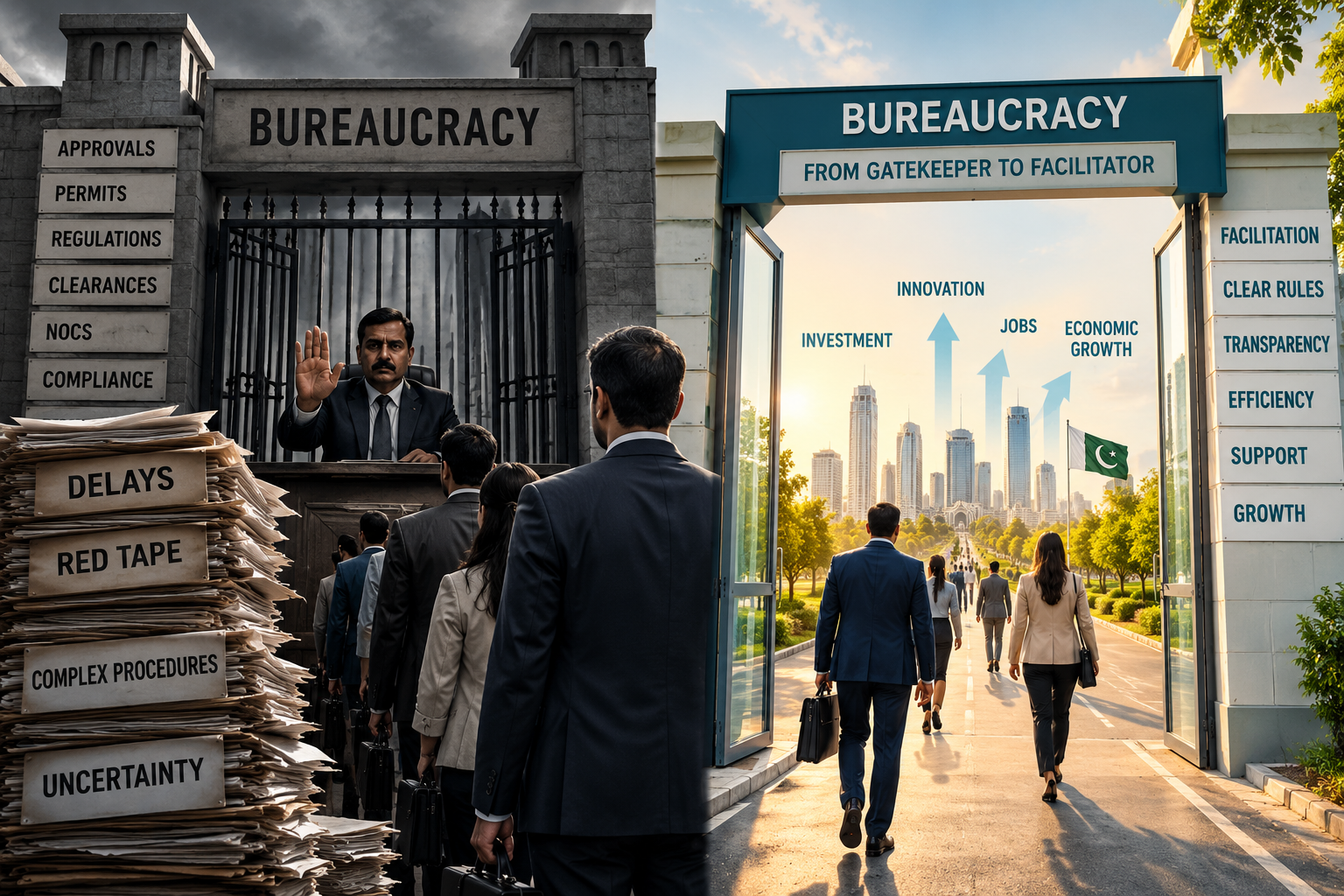
The second crisis is governance. Education policy in Pakistan is made by those furthest from the classroom. Bureaucratic inertia, political interference, and a chronic absence of accountability define the system from the top down. Provinces that should be driving reform are instead fighting for basic administrative control that the Constitution already guaranteed them.
The third crisis is pedagogy. Teacher training in Pakistan is largely ceremonial. Recruitment is politicised. Incentives are negligible. New research in learning science, child psychology, and instructional design passes the system by entirely. The teacher standing before a classroom of forty children is often undertrained, underpaid, and unsupported — and yet is expected to deliver transformation.
The fourth crisis is the examination system, which rewards memorisation and punishes understanding. It certifies ignorance while appearing to measure knowledge. Until examinations test reasoning, application, and analysis rather than the ability to reproduce textbook lines, every other reform will be undermined at the point of evaluation.
These four failures — curriculum, governance, pedagogy, and examination — are not independent. They form a system. A centralised, constitutionally dubious authority imposes a flawed curriculum, which untrained teachers deliver through outdated methods, which a broken examination system then validates. The result is a generation educated in name only.
The provinces must reclaim what the Constitution gave them. The National Curriculum Council must be scrutinised for its legal basis and democratic legitimacy. And Pakistan must decide, urgently, whether it is serious about education as a foundation of nationhood — or content to manage its decline one rebranding at a time.
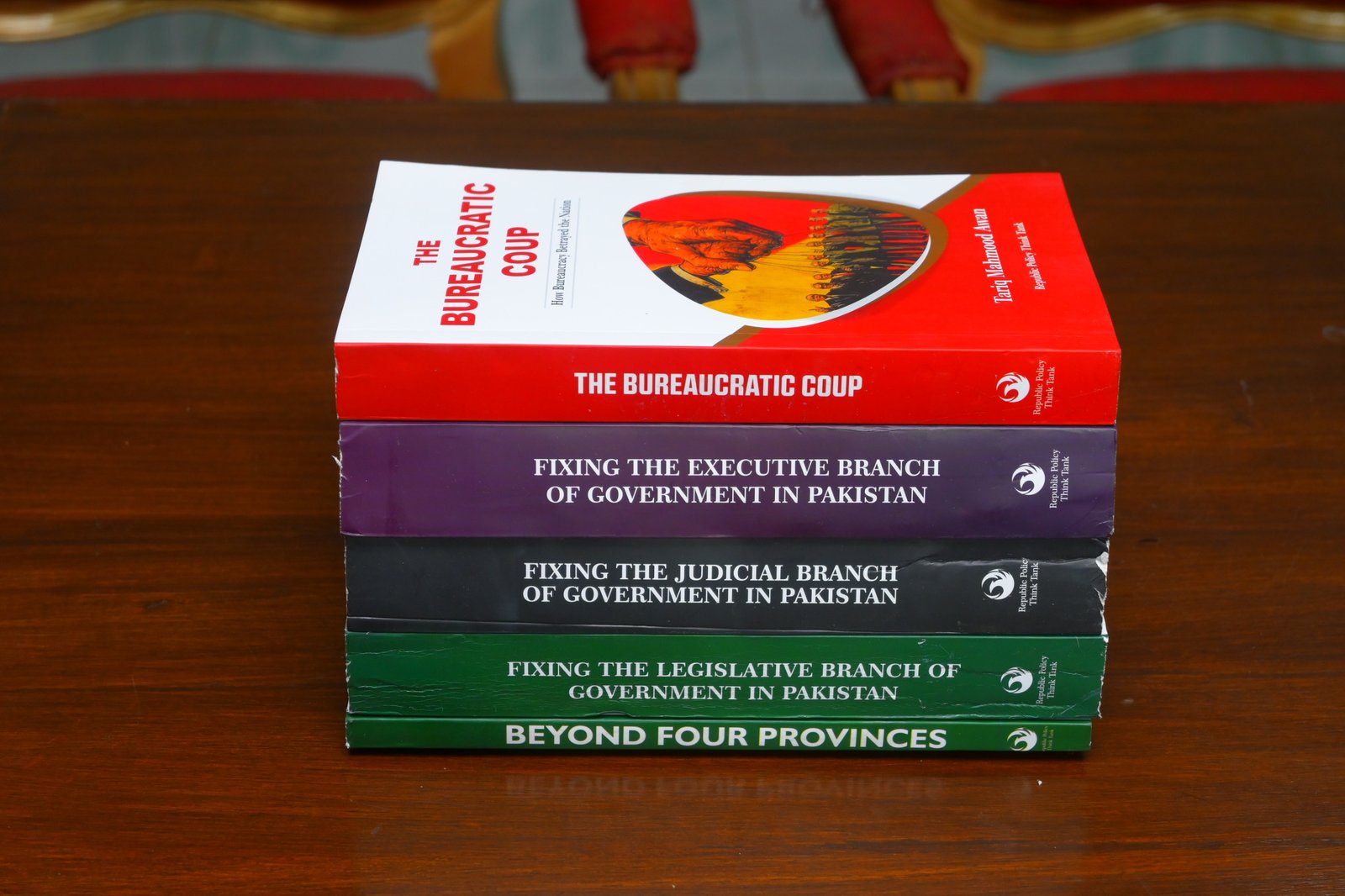
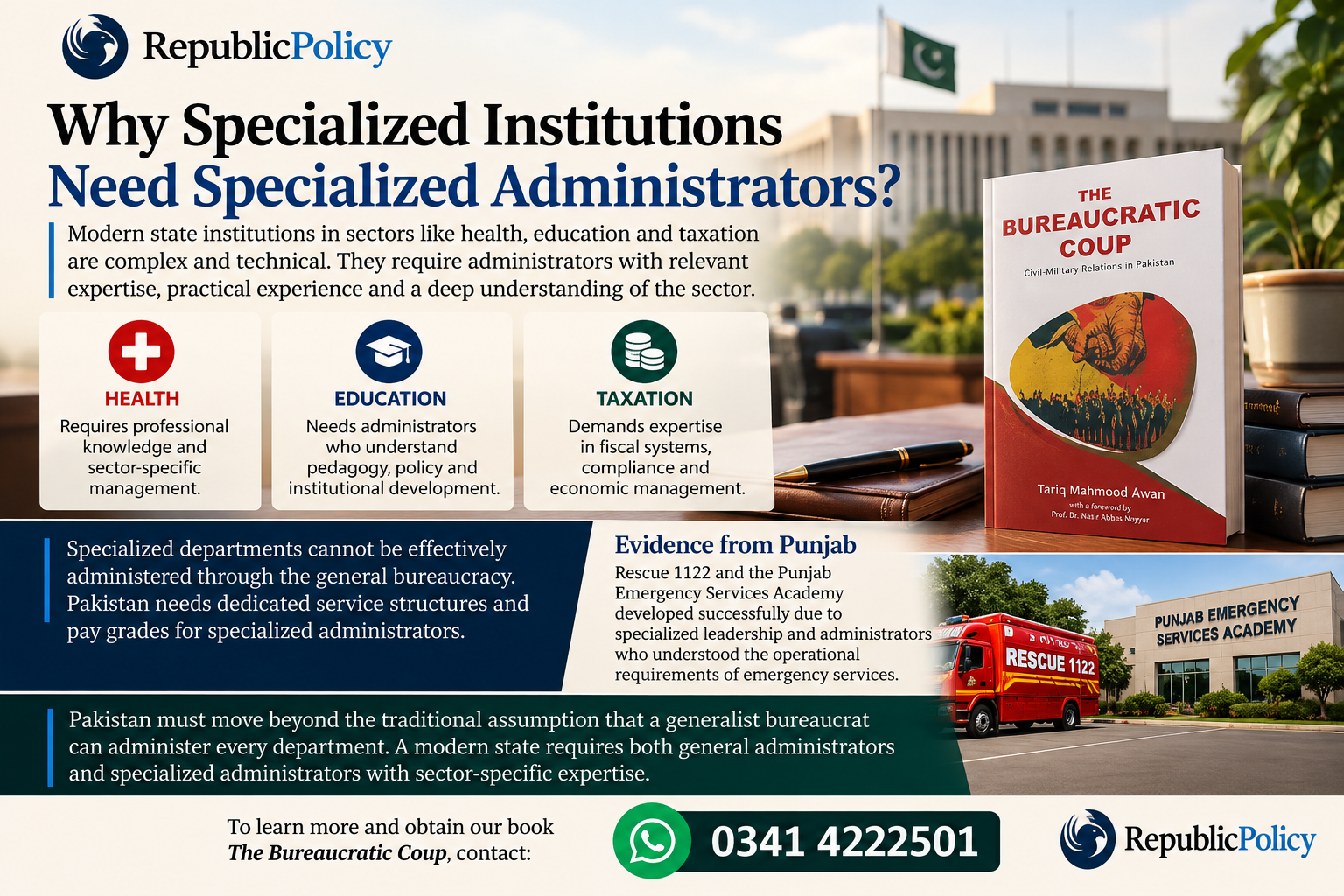
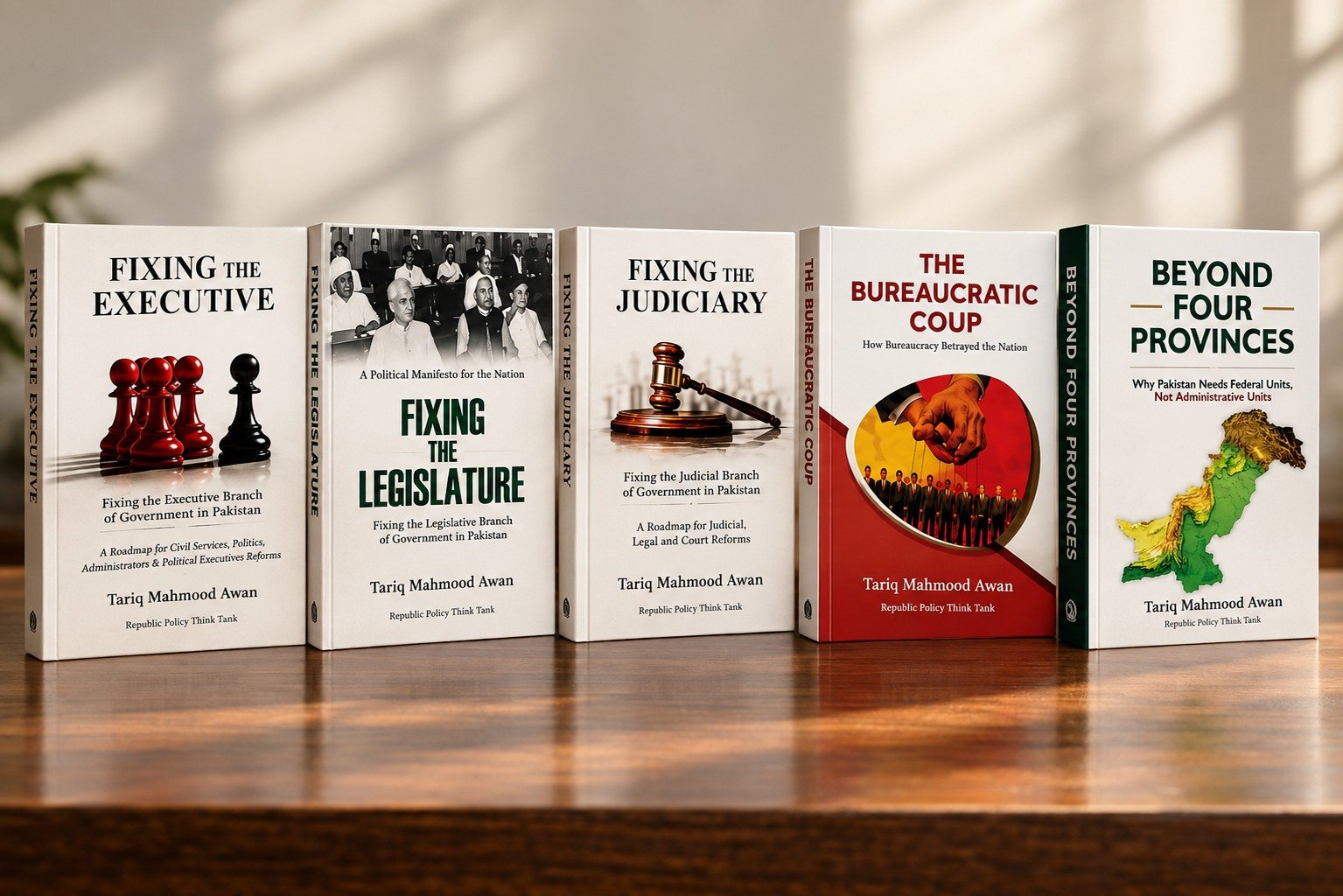
The best-selling books of Republic Policy Think Tank, including the landmark book The Bureaucratic Coup, are available at Vanguard Books, Liberty Books, Readings, Kitab Sarai, Sang-e-Meel, Saeed Book Bank Islamabad, National Book Foundation, and others across Pakistan. Contact for home delivery: 0300 9552542.