Desk
Houthi attacks on Saudi Arabia this week have deepened frustration in Islamabad and raised the risk of Pakistan being pulled directly into the region’s conflict, complicating any future role it might play as a mediator between the United States and Iran.
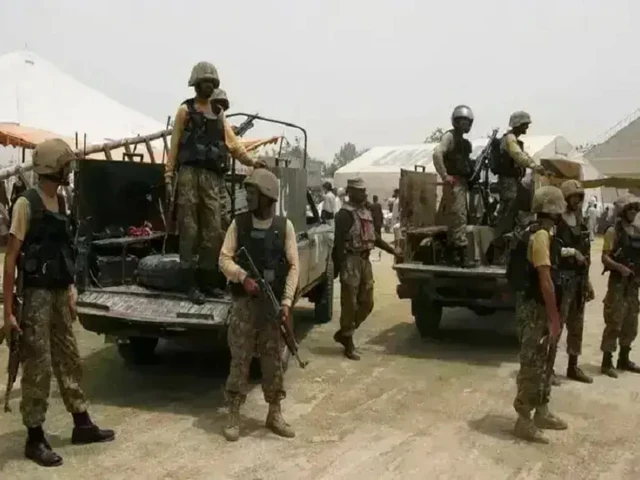
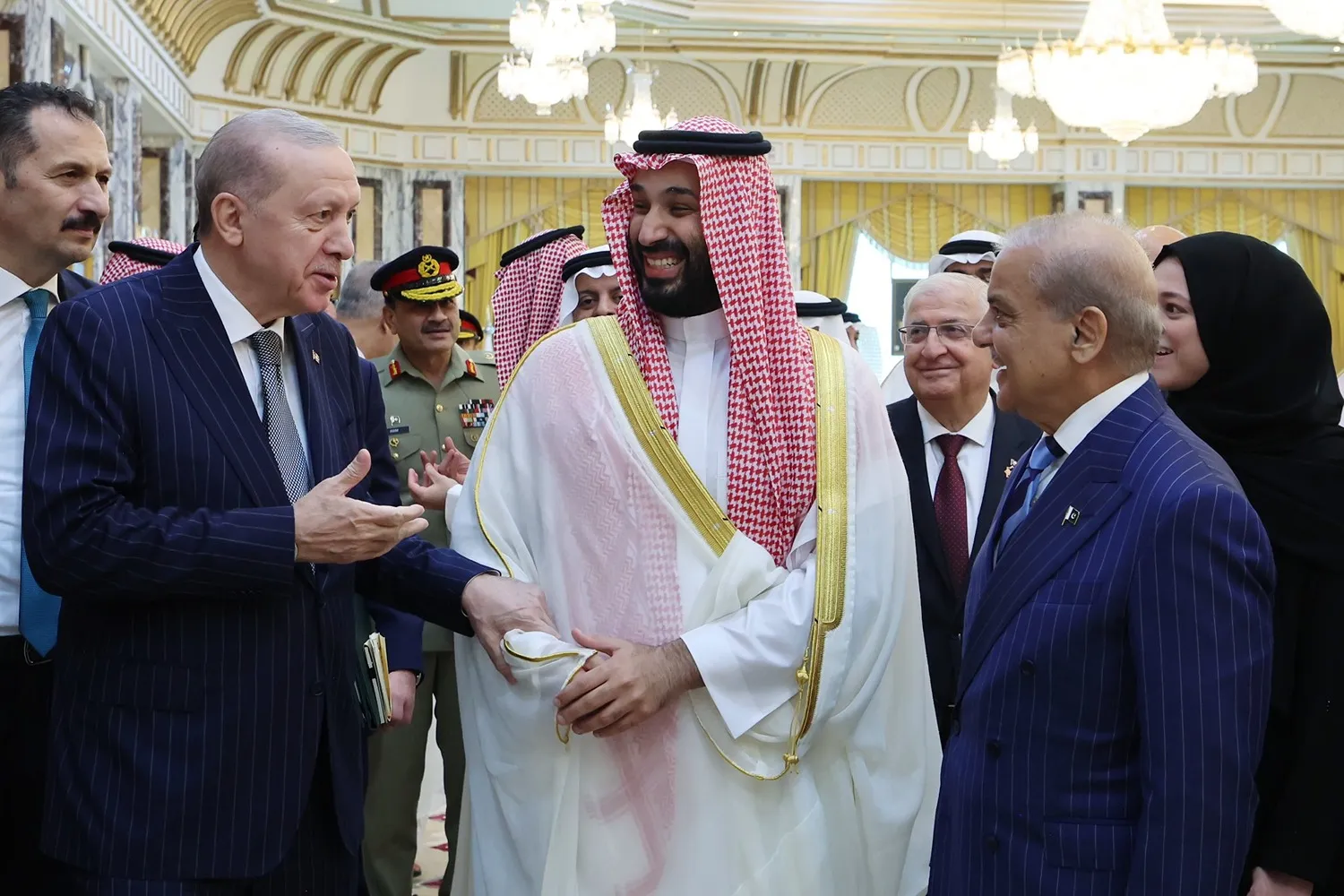
Pakistan, which helped broker an interim deal last month between Washington and Tehran, signed a mutual defence pact with Saudi Arabia last year and has deployed thousands of soldiers and a squadron of fighter jets to the kingdom. Officials and regional analysts say the latest Houthi strikes, fired after the group accused Saudi Arabia of bombing an airport under its control, have pushed Pakistan’s patience with Iran further than earlier strikes on Saudi territory did. A Pakistani official told Reuters that both civilian and military leadership have told Iran directly that attacks on Saudi Arabia amount to “attacks on Pakistan” and represent a red line.
Security analyst Muhammad Amir Rana said Islamabad had not expected tensions to escalate so quickly. Officials are particularly concerned that Pakistani troops stationed near the Saudi-Yemen border face direct exposure, and that a widening Houthi campaign could disrupt Red Sea shipping routes Pakistan depends on economically, potentially forcing military involvement under the terms of its defence agreement with Riyadh.
Compounding the unease are reports of growing internal rifts within Iran’s leadership. Pakistani officials say the positions of President Masoud Pezeshkian, Foreign Minister Abbas Araghchi, and parliament speaker Mohammad Bagher Ghalibaf increasingly diverge from those of the Islamic Revolutionary Guard Corps, with one defence analyst noting that the military’s growing dominance over decision-making in Tehran is now being closely watched in Islamabad. The tensions were cited as a factor in the delayed arrival of an Iranian delegation, led by Interior Minister Eskandar Momeni, which reached Islamabad two days behind schedule this week for talks expected to touch on the US-Iran agreement.
Pakistan’s foreign ministry has called for restraint from all parties, with spokesman Tahir Andrabi stressing that dialogue and diplomacy remain the only way forward. Officials insist the mediation effort, tied closely to safeguarding Pakistan’s oil and gas supply routes through the Gulf, remains intact despite the frustration.
Still, Pakistan may be closer than at any point in the crisis to having to pick a side. One source familiar with the mediation effort said that while ending the war remains in everyone’s interest, Pakistan would stand by Saudi Arabia without hesitation if called upon.