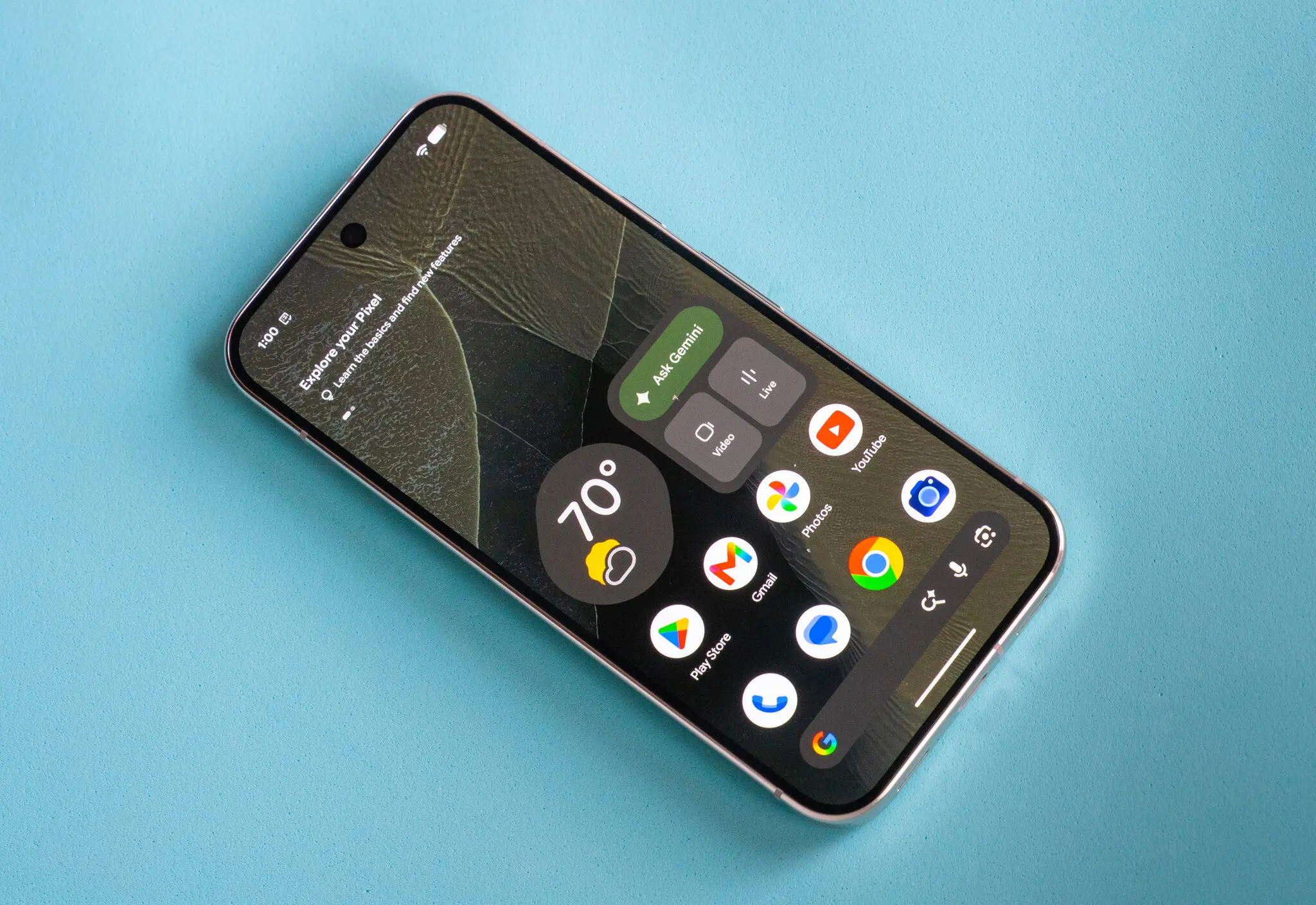

The next smartphone most people buy will likely fall into a category the tech industry is now calling an “AI phone,” a device built to handle tasks on the user’s behalf rather than simply run apps. Whether that’s actually something people want remains an open question, but Google appears convinced the answer is yes.
Each year, Google releases new Pixel phones bundled with fresh AI features aimed at speeding up everyday tasks. Its latest, the Pixel 11 line, arriving in stores this week, lets users ask the company’s AI assistant, Gemini, to order groceries, hail rides, and book restaurant reservations without opening a single app.
The push reflects a broader ambition at Google: reshaping what personal computing actually looks like. The company is betting that AI assistants will eventually matter more than the operating system itself, with people leaning on Gemini to get things done rather than navigating apps directly. Apple is testing a similar bet this fall, rolling out Siri AI, a reworked version of its assistant for iPhones that is also, notably, powered by Gemini.
Pixel phones themselves remain a modest player commercially, starting at $900 and accounting for only a sliver of the global handset market. Their influence, though, outpaces their sales. Features that debut on Pixel devices have a track record of eventually showing up on phones from Apple, Samsung, and others. That’s the real reason to pay attention each year: not whether the Pixel itself will sell, but which of its ideas are likely to spread and which will quietly disappear.