By Masood Khalid Khan
The energy crisis is one of the most critical issues Pakistan facing today. The country has been grappling with a severe energy shortage for the past decade, leading to widespread power outages, economic losses, and social unrest. The crisis is a multifaceted problem with multiple causes and no easy solutions. In this article, we will discuss the grounds of the energy crisis in Pakistan and explore potential solutions to address the problem.
One of the primary causes of the energy crisis in Pakistan is the lack of investment in the energy sector. Despite being rich in natural resources, Pakistan has yet to be able to fully utilize these resources due to a lack of investment in the sector. This has led to a lack of capacity, resulting in a shortfall in the electricity supply. Additionally, the energy sector in Pakistan is plagued by corruption, mismanagement, and inefficiency, further exacerbating the crisis.
Another significant cause of the energy crisis in Pakistan is the country’s dependence on fossil fuels. Pakistan heavily relies on oil and gas to generate electricity, which is expensive and contributes to climate change. This dependence has led to a high cost of electricity and has made the country vulnerable to fluctuations in global oil prices. In addition, the country’s power generation infrastructure is outdated and needs modernization, which has also contributed to the energy crisis.
Read More: https://republicpolicy.com/evaporating-human-energy/
The energy crisis in Pakistan is a complex issue that has been caused by a combination of factors, including poor infrastructure, lack of investment, and a growing population. There is a dire need to solve this crisis, and there are several steps that need to be taken:
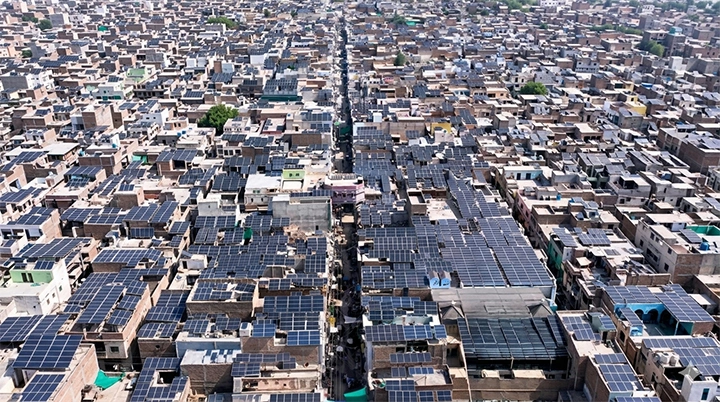
Increase domestic energy production: Pakistan has significant potential for renewable energy production, such as solar and wind power. The government needs to invest in these resources and provide incentives for private companies to do the same. This can be achieved by setting up renewable energy projects, providing subsidies and tax incentives for the private sector and promoting research and development in the sector.
Improve energy efficiency: The government should also implement policies encouraging energy efficiency in the industrial and residential sectors. This can be achieved through the use of energy-efficient technologies, such as LED lights and energy-efficient appliances. The government can also work towards reducing energy consumption by promoting energy conservation programs and providing financial incentives for energy-efficient practices.
Reduce dependence on fossil fuels: Pakistan heavily depends on fossil fuels, particularly natural gas, to meet its energy needs. The government should work to reduce this dependence by encouraging the use of alternative energy sources such as hydro, wind and solar energy. This can be achieved by providing financial incentives for alternative energy projects, promoting research and development in the sector and increasing the use of clean energy in the country.
Address power theft: Power theft is a major problem in Pakistan and results in significant losses for the government. More robust enforcement measures and increased penalties for power theft need to be implemented to combat this problem. This can be achieved by increasing the number of power theft detection units, strengthening the legal framework and providing stricter penalties for power theft offenses.
Improve infrastructure: The government should invest in upgrading and maintaining the country’s power infrastructure, including transmission and distribution lines. This will help to reduce power outages and increase overall energy efficiency. This can be achieved by investing in upgrading the existing transmission and distribution networks, building new transmission and distribution lines and increasing the capacity of the power generation infrastructure.
Addressing the corruption issues: Pakistan is known for its corruption issues, which are rooted in many sectors. The energy sector is not an exception. Therefore, to tackle this problem, the government should work on transparent policies and strict regulations to minimize corruption and make the system more efficient. This can be achieved by implementing strict anti-corruption laws, increasing transparency in the sector and promoting good governance practices.
Read More: https://republicpolicy.com/traders-resent-govts-energy-saving-scheme/
Encourage private investment: The government should encourage private investment in the energy sector by providing tax incentives and other benefits. This will help attract the necessary capital to fund new energy projects. This can be achieved by providing tax breaks and subsidies for private sector investments in the energy sector, creating a conducive environment for private sector participation and promoting public-private partnerships in the sector.
Eliminate subsidies: The government should eliminate subsidies for fossil fuels, which will make alternative energy sources more competitive and encourage their use. This can be achieved by phasing out fossil fuel subsidies over time and redirecting those funds towards renewable energy projects.
Besides scientific and engineering reforms, there must be political and administrative consistency in implementing energy policies. Then, the federal and provincial governments should play a vital role in the administration, execution and generation of energy. The application of technology is the only way forward.
Last but not least, local investment is critical for the solution of energy crises. Pakistan is investing in property, which is why the whole capital is struck in a non-productive sector. Investment in the energy sector is the way forward. Therefore, the government must take on board the private sector and develop programmes and plans so that the private sector should invest in it. However, it should be done only on local resources. Then, developing the capacity of the federal, provincial, local and private sectors is essential.
Read More: https://republicpolicy.com/energy-security-in-pakistan-a-crises-the-state-must-resolve/