
EDITORIAL
Social Assistance
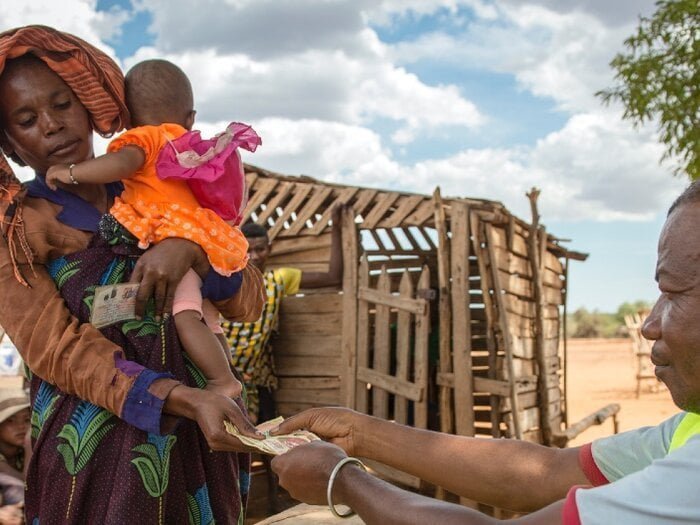
Social assistance schemes (or sometimes a minimum income) to assistance programs are non-contributory transfers targeted to relieve households that are trapped in chronic poverty. These programs include poverty-targeted cash or in-kind transfers, either unconditional or conditional, if recipients comply with certain behaviours. They are usually related to education or health, price subsidies often for food or energy, labour-intensive public works schemes, and fee waivers for essential services such as healthcare, schooling, utilities, transport or disaster relief.
Social Insurance
Social insurance facilitates households and individuals to hedge various risks along the lifecycle, including old age, disability, ill health and unemployment. They are typically financed mainly from payroll taxes with contributions from both workers and employers, but social contributions and allocations from the general budget are also used. In Pakistan, social insurance is limited to old-age pensions and healthcare for workers in the formal sector. Expanding social insurance coverage to workers regardless of employment sector should be pursued over the next few years.
There are multiple types of old-age pensions to be considered to expand the coverage and accessibility of pensions to broader populations. Generally, a three-pillar approach is recommended:
- Non-contributory old-age pension for the elderly living in poverty
- Voluntary old-age pension/saving schemes
- Mandatory contributory pension, typically for the formal sector, including government officials
Labour Market Programs
A key aspect of social protection is promoting employability and labour welfare for citizens’ self-sufficiency through income-generating activities and graduation from poverty and social assistance. Such social protection programs include:
- Active Labour Market Policies (ALMPs) support insertion and re-insertion into the labour market and promote better earnings opportunities by upgrading worker skills and facilitating occupational or geographical mobility.
- Microfinance or financial support for business development.
- Labour policies and regulations that require essential job protection to workers and government employer-employee relations or provide income support to the unemployed through unemployment insurance.
- Social funds and community development initiatives.
ALMPs can serve as graduate programs that will assist in transitioning out of poverty and exiting anti-poverty programs such as the Benazir Income Support Program (BISP). As seen above, three groups have been identified in particular to benefit from social protection measures that promote employability, youth, women and migrant workers so that these groups can engage in income-generating activities.
Social protection is the fundamental obligation of a welfare state. Therefore, there is a dire need to create awareness in this regard so that people can know their rights and the state spend on the most deserving through their social protection schemes and initiatives. Hence, there is a need to allocate more resources to social protection schemes.https://republicpolicy.com/what-is-poverty-and-what-is-development-how-can-we-measure-poverty-and-development/