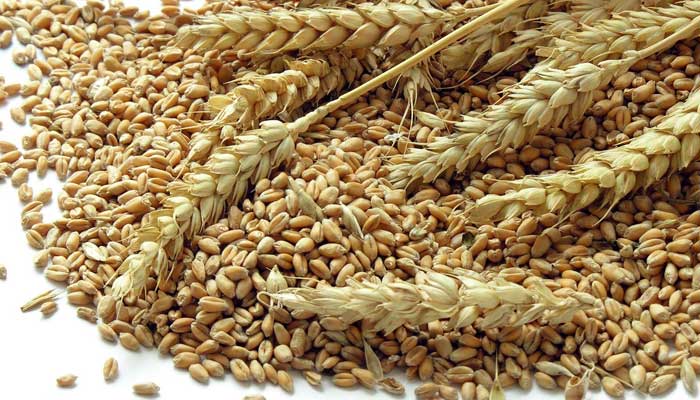

As if the economic burden wasn’t enough, Pakistani households are now facing yet another crisis – a shortage of wheat flour. It seems that just as one problem is tackled, another arises to take its place. The soaring price inflation has already made it difficult for low- and middle-income households to make ends meet, and now the lack of wheat flour is adding to their woes.
The situation in Sindh is particularly dire, with flour millers ceasing production due to a dispute over inadequate wheat supplies and the price of flour. The millers have resorted to hiking prices by almost a quarter to Rs130 a kilo, citing the rise in wheat prices in the market. The provincial government, on the other hand, is accusing the mill owners of hoarding subsidised wheat supplied from its stock and is sealing some factories. This tug-of-war between the two sides has caused a shortage of flour in the markets, leading to fears that the commodity will run out in the next few days.
It’s not the first time Pakistan has faced a wheat flour crisis, and it certainly won’t be the last if the root causes are not addressed. Bureaucratic incompetence and mismanagement of the market have been major culprits in the past, leading to sufficient stocks of wheat not being utilized effectively. The result has been long queues and fights among citizens for subsidised flour. Tragically, in the past, this has even resulted in deaths due to stampedes at sale points.
The wheat flour crisis is not just a logistical problem; it’s also a political and social one. The government’s failure to manage the market effectively has eroded public trust in its ability to provide basic necessities to its citizens. It’s not just about flour; it’s about the larger issue of governance and accountability.
One potential solution to the current crisis is for the government to work closely with the millers and other stakeholders to ensure adequate supplies of wheat are available and that production remains consistent. There needs to be a transparent system in place for the allocation of wheat stocks, with no room for hoarding or price manipulation. This will require a concerted effort from all parties involved and a commitment to putting the needs of the citizens first.
At the same time, there is a need for greater investment in agriculture and food production to reduce the reliance on imports and boost domestic production. The government must take a long-term view and invest in sustainable agriculture practices that can withstand the impact of climate change and ensure food security for future generations.
Pakistan, a country known for its fertile lands and agricultural prowess, has now found itself in the unfortunate position of being unable to feed its own people. The country that once supplied wheat to the World Food Programme to assist famine-stricken countries is now importing the very same commodity. It is a shameful reality that exposes the nation’s failures in ensuring food security for its 220 million citizens.
The recent surge in food prices, which rose by nearly 42% in urban areas and 47% in rural areas, has already created a hindrance for low-income groups in accessing basic food items. The situation has worsened with the recent wheat flour shortages that have been reported in different parts of the country. The scarcity has resulted from the slow production and delivery of the commodity in the market. In Sindh, flour millers have stopped production due to a disagreement over inadequate supplies of wheat to the mills, which has led to fears of the markets running out of the commodity in the coming days.
The provincial government is accusing mill owners of hoarding subsidised wheat supplied from its stock and has sealed some factories. In response, the millers have raised the rates by almost a quarter to Rs130 a kilo, citing a surge in wheat prices in the market. This arbitrary hike in rates has further aggravated the already skyrocketing food prices.
Unfortunately, this is not the first time that Pakistan has been plagued by a wheat flour crisis. In the past, bureaucratic incompetence and market mismanagement have resulted in the eruption and worsening of the crisis, despite the availability of sufficient local and imported stocks. The situation has forced citizens to queue for hours and fight among themselves for subsidised flour, leading to tragic incidents such as the stampede at the sale point of subsidised flour stocks in Mirpurkhas, Sindh, which resulted in the death of at least one person.
In a highly inflationary environment where food prices are surging daily due to currency depreciation and a hike in indirect taxes, it is the responsibility of both provincial and federal governments to ensure that unscrupulous elements do not create artificial shortages that limit the people’s access to basic and essential foods. Failure to do so can have dire consequences, exposing a large portion of the population to severe hunger and malnutrition.
The situation demands immediate action from the government to address the issue of wheat flour shortages and ensure that basic food items are available to everyone, particularly the poor and vulnerable segments of society. This can be achieved by effective market management and adequate supplies of wheat to the mills. The government should also take strict action against those found to be hoarding and creating artificial shortages.
In the short term, however, the government must take immediate steps to address the wheat flour crisis and ensure that citizens have access to affordable and adequate supplies of flour. This requires swift action, including measures to control prices and prevent hoarding, as well as targeted subsidies for low-income households.
Ultimately, the wheat flour crisis is a symptom of a larger problem – the failure of the government to provide basic necessities to its citizens. Until this issue is addressed, such crises will continue to arise, causing untold hardship to millions of Pakistanis. It’s time for the government to step up and take responsibility for ensuring the welfare of its citizens.
Moreover, there is a dire need to address the root cause of the problem, which is the failure of the agricultural sector to keep pace with the growing population’s food demands. The government needs to invest in modernizing the agricultural sector, promoting sustainable farming practices, and increasing yields through better irrigation systems and seed varieties. This will not only ensure food security but also boost the economy by generating employment opportunities in the agricultural sector.
In conclusion, the wheat flour shortages in Pakistan are a reflection of the government’s failure to ensure food security for its people. The current situation demands immediate action to address the shortages and prevent unscrupulous elements from creating artificial shortages in the future. The government must also invest in modernizing the agricultural sector to ensure sustainable food production and economic growth. Failure to do so will have dire consequences, leaving a large portion of the population hungry and malnourished.
Read more: