
By Dr Shahzad Raza
Diplomacy is the practice of conducting negotiations between nations, typically through diplomatic channels such as envoys, ambassadors, or other representatives. Diplomacy has been a critical means of managing international affairs for centuries, and it has evolved significantly over time.
The origins of diplomacy can be traced back to ancient civilizations such as Egypt, Greece, and China, where emissaries were sent to negotiate treaties and resolve disputes. In medieval Europe, diplomacy became more formalized with the development of resident ambassadors, who represented their home countries and negotiated with foreign governments. The modern system of diplomatic protocol and practice began to take shape in the 17th and 18th centuries, with the establishment of permanent diplomatic missions and the emergence of the modern nation-state system.
Diplomacy has become increasingly important in international affairs as the global community has become more interconnected and interdependent. Diplomatic negotiations are often used to resolve conflicts, establish trade agreements, and coordinate responses to global issues such as climate change, terrorism, and the spread of infectious diseases. Diplomacy also plays a critical role in maintaining international peace and stability, as diplomats work to prevent conflicts from escalating into larger-scale military conflicts.
For nation-states, diplomacy is critical because it allows them to pursue their interests and protect their national security through peaceful means. Diplomatic negotiations can help states achieve their foreign policy objectives without resorting to military force, which can be costly and unpredictable. Diplomacy also allows states to build relationships with other countries, which can help to facilitate cooperation on a range of issues and provide opportunities for economic and cultural exchange.
In summary, diplomacy is the practice of conducting negotiations between nations through diplomatic channels. It has developed significantly over time, and it plays a critical role in international affairs by allowing states to pursue their interests and protect their national security through peaceful means.
Pakistan’s diplomatic history can be traced back to its independence in 1947, when it established diplomatic relations with other countries. Since then, Pakistan has faced a range of challenges in its diplomatic efforts, including conflicts with neighboring countries, economic and political instability, and international pressure over issues such as terrorism and nuclear proliferation.
One of the major challenges for Pakistan’s diplomacy has been its relationship with India. The two countries have a long-standing territorial dispute over the region of Kashmir, which has led to several armed conflicts and ongoing tensions. Pakistan has also faced challenges in its relations with Afghanistan, where it has been accused of supporting militant groups and interfering in the country’s internal affairs.
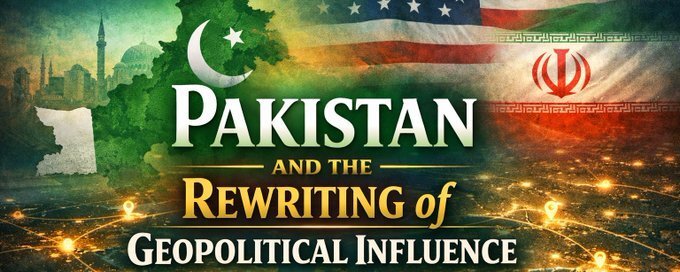
Pakistan’s relationship with the United States has also been complex, with periods of close cooperation followed by periods of tension and mistrust. The US has been critical of Pakistan’s efforts to combat terrorism, and has imposed sanctions on the country in the past. Pakistan has also faced pressure from international organizations such as the United Nations over issues such as human rights abuses and nuclear proliferation.
To strengthen its diplomacy, Pakistan could adopt several strategies. One approach would be to focus on building stronger relationships with its neighbors, particularly India and Afghanistan. This could involve efforts to address long-standing disputes and find common ground on issues such as trade and regional security.
Pakistan could also focus on building stronger ties with the Muslim world, particularly in the Middle East. This could involve efforts to facilitate economic and cultural exchange, as well as cooperation on issues such as counterterrorism and regional stability.
In its relations with the Western world, Pakistan could work to address concerns over issues such as terrorism and nuclear proliferation. This could involve greater transparency and cooperation with international organizations, as well as efforts to promote Pakistan’s positive contributions to regional and global stability.
Overall, effective diplomacy requires a long-term, strategic approach that takes into account a range of factors, including political, economic, and cultural considerations. By focusing on building stronger relationships with its neighbors and the international community, Pakistan can strengthen its position on the global stage and promote its interests in a rapidly changing world.
Pakistan has the potential to maintain an independent diplomacy, although there are several internal and external factors that can influence its ability to do so. In order to have independent international relations, Pakistan must work to build a strong economy, political stability, and a skilled diplomatic corps.
One of the key internal factors that can impact Pakistan’s ability to maintain independent diplomacy is its domestic political situation. Political instability, corruption, and weak governance can all undermine Pakistan’s credibility on the international stage. Another factor is Pakistan’s security situation, including ongoing conflict with militant groups and tensions with neighboring countries.
External factors that can impact Pakistan’s diplomacy include the actions of other countries, regional and global security dynamics, and economic conditions. For example, Pakistan’s relationship with India is heavily influenced by the ongoing dispute over Kashmir, while its relationship with the US is impacted by concerns over terrorism and nuclear proliferation.
To build strong and independent diplomacy, Pakistan could adopt several short, medium, and long-term strategies. In the short term, it could focus on improving its relations with neighboring countries through increased economic and cultural cooperation. It could also work to enhance its diplomatic presence in key regions such as the Middle East and Central Asia.
In the medium term, Pakistan could focus on diversifying its economy and reducing its reliance on foreign aid. This could involve promoting greater foreign investment and developing stronger trade ties with other countries.
In the long term, Pakistan could work to improve its education system and build a skilled diplomatic corps. This could involve investing in training programs for diplomats and fostering greater academic exchange with other countries.
آن لائن رپبلک پالیسی کا میگزین پڑھنے کیلئے کلک کریں۔
To build strong relations with specific countries, Pakistan could adopt tailored strategies. For example, with India, Pakistan could focus on finding a peaceful resolution to the Kashmir dispute and promoting greater economic cooperation. With China, Pakistan could focus on enhancing the China-Pakistan Economic Corridor and promoting greater cooperation on regional security issues. With the US and the West, Pakistan could work to address concerns over terrorism and nuclear proliferation. With the Middle East and the Islamic world, Pakistan could focus on promoting greater cultural exchange and cooperation on issues such as counterterrorism and regional stability.