
Hira Javaid
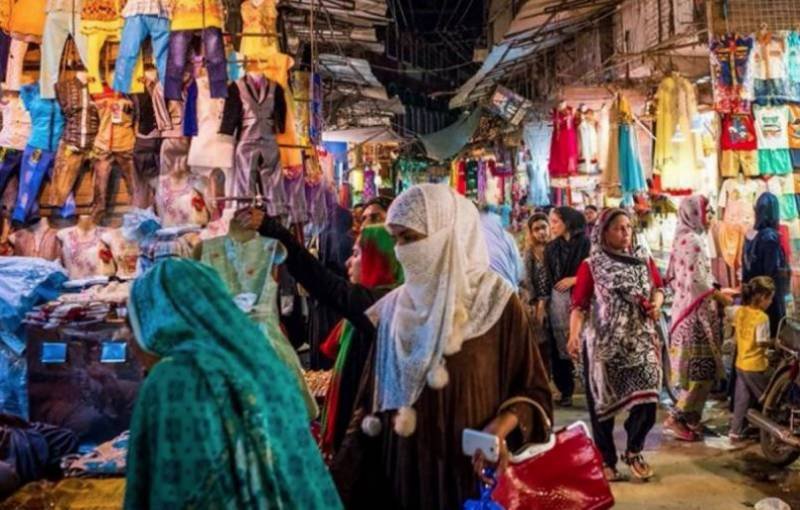
At first glance, the notion of early closure for shops may seem like a brilliant plan. Not only could it contribute to conserving energy during the sweltering summer months, but it could also alleviate the burden on our import bill by reducing the expenditure on procuring fossil fuels to sustain our power plants. However, while the government is swift in announcing these cost-cutting measures, their implementation leaves much to be desired. Following a meeting of the National Economic Council on Tuesday, the administration declared that markets would shut down by 8pm starting from July 1, with the aim of conserving energy and potentially saving up to $1bn annually. A similar directive had been issued in January, but it was widely disregarded. This time around, traders have responded promptly and resolutely, vehemently rejecting the government’s proposal to close shops early. Businessmen from Lahore, Islamabad/Rawalpindi, Khyber Pakhtunkhwa, and other regions argue that people prefer to shop in the evening to avoid the scorching daytime heat, and implementing early closures would have detrimental effects on their businesses. Furthermore, traders insist on a parliamentary discussion before any such measures are enforced.
On the surface, the idea of shutting down shops earlier appears to be a wise move. Not only would it contribute to energy conservation amidst the blistering summer temperatures, but it could also lead to a reduction in the import bill by curbing the need for fossil fuels to power our plants. However, while the government is adept at proposing such cost-saving measures, their execution often falls short. Following a meeting of the National Economic Council, the administration announced on Tuesday that markets would close at 8pm starting from July 1, with the potential to save up to $1bn annually. A similar announcement had been made in January, but it was widely flouted. This time, the response from traders has been swift and unyielding. Business owners in Lahore, Islamabad/Rawalpindi, Khyber Pakhtunkhwa, and beyond have outright rejected the government’s plan to initiate early closures. They argue that customers prefer to shop in the evening to escape the scorching daytime temperatures, and implementing early shutdowns would be detrimental to their businesses. Moreover, traders demand a parliamentary discussion before any such measures are implemented.
Superficially, the idea of an early closure for shops may seem like a sensible proposal. Not only could it contribute to energy preservation during the oppressive summer heat, but it could also have a positive impact on the country’s import expenditure by reducing the reliance on fossil fuels for power generation. However, while the government is quick to tout such cost-cutting initiatives, its ability to effectively implement them leaves much to be desired. Following a session of the National Economic Council, an announcement was made on Tuesday stating that markets would be required to close by 8pm starting from July 1, with the potential to save up to $1bn annually. A similar directive had been issued earlier in January, only to be widely disregarded. This time around, the response from traders has been swift and uncompromising. Businesspersons from Lahore, Islamabad/Rawalpindi, Khyber Pakhtunkhwa, and other areas have firmly opposed the government’s proposed early closure, arguing that customers prefer to shop in the evening to escape the scorching daytime temperatures. They contend that implementing such a measure would have adverse effects on their businesses. Additionally, traders insist on a parliamentary discussion before any implementation takes place.
In an ideal world, it would be prudent for us as a nation to embrace lifestyle changes that not only conserve energy but also reduce our reliance on foreign exchange. Commencing our day early and capitalizing on daylight hours could significantly curtail energy expenses. However, implementing such transformations necessitates a long-term commitment, particularly in major cities like Karachi where most markets open only after midday. Regrettably, the government has displayed a propensity to succumb to pressure rather than standing firm on its decisions, as exemplified by its previous retreats from enforcing early market closures. Furthermore, the administration reneged on its plan to collect taxes from retailers through electricity bills. It is disheartening to observe that the current PML-N-led government is beholden to its influential constituency—the business community. Nevertheless, it is imperative for traders to reassess their opposition in the greater national interest. If they insist on operating late and consuming higher levels of power, perhaps they should be prepared to shoulder the financial burden associated with this perceived “privilege.”
Ideally, as a nation, we should strive to make lifestyle adjustments that not only conserve energy but also diminish our dependence on foreign exchange. A promising step in this direction would involve embracing early mornings and maximizing daylight hours, thereby significantly reducing energy expenditures. However, effecting such changes is a complex endeavor, particularly in bustling cities like Karachi where most markets remain dormant until midday. Regrettably, the government has a track record of yielding to external pressures rather than upholding its decisions, as evidenced by its previous retreat on implementing early market closures. Furthermore, the administration has backtracked on its proposal to collect taxes from retailers through electricity bills. It is disconcerting to witness the current PML-N-led government being swayed by its influential constituents—the business community. Nevertheless, it is incumbent upon traders to reconsider their opposition in the best interests of the nation. If they persist in operating late and consuming excessive amounts of power, they should be prepared to bear the financial consequences associated with this so-called “privilege.”
In an ideal scenario, it would be prudent for us as a nation to adopt lifestyle changes that not only conserve energy but also reduce our reliance on foreign exchange. Commencing our day early and making the most of daylight hours can significantly curtail energy costs. However, implementing such modifications is a long-term undertaking, particularly in major cities like Karachi where most markets only come alive after midday. Unfortunately, the government has displayed a penchant for yielding under pressure rather than adhering to its decisions, as witnessed in the past when calls for early market closures were disregarded. Furthermore, the administration has reversed its stance on collecting taxes from retailers through electricity bills. It is disheartening to observe that the current PML-N-led government is beholden to its influential supporters—the business community. Nevertheless, traders must reconsider their opposition in the best interest of the nation. If they insist on keeping their establishments open late and consuming substantial amounts of power, they should be prepared to bear the financial consequences that come with such a “privilege.”
Ideally, in order to conserve energy and reduce our dependence on foreign exchange, we should embrace lifestyle changes as a nation. Commencing the day early and capitalizing on daylight hours can significantly mitigate energy costs. However, implementing such changes is a long-term endeavor, particularly in major urban centers like Karachi, where most markets open their doors only after midday. Unfortunately, the government has shown a tendency to succumb to pressure rather than standing firm on its decisions, as demonstrated by previous instances of backtracking on early market closures. Additionally, the administration reneged on its plan to collect taxes from retailers through electricity bills. It is dismaying to witness the current PML-N-led government bowing down to its influential constituency—the business community.
In conclusion, it is evident that the issue of early market closures and energy conservation is a complex and contentious one. While the idea of saving energy and reducing the import bill is commendable, the implementation of such measures poses significant challenges. The government’s track record of enforcing these directives has been weak, and the resistance from the business community further complicates the matter.
There is a need for a broader perspective and long-term solutions to address energy consumption and lifestyle patterns. Merely closing markets early may not be a sustainable solution, especially when the majority of people prefer to shop in the evening to avoid the daytime heat. It calls for a shift in societal habits and a comprehensive approach to energy conservation.
The government must demonstrate consistency in its decision-making and resist succumbing to pressure from influential groups. On the other hand, traders and business owners need to prioritize the national interest and consider the potential consequences of their opposition. If they choose to consume more power by staying open late, they should be prepared to bear the financial burden associated with it.
Ultimately, finding a balance between convenience, business interests, and energy conservation is crucial. It requires open dialogue, constructive discussions in parliament, and a collective effort from all stakeholders to devise effective and sustainable strategies. Only by working together can we address the energy challenges we face as a nation and pave the way for a more energy-efficient and prosperous future.
Subscribe our website for latest updates:
https://republicpolicy.com/shop/
Read More