
Irshad Shah
Refugees, the stateless victims of conflict, environmental catastrophes, and oppression, are etched into the collective consciousness as haunting symbols of suffering. They are captured in poignant images—hordes crammed onto fragile vessels, desperate souls clinging to planes in Afghanistan, and masses enduring squalor in makeshift urban dwellings. While some, like the Palestinians, have endured generations of displacement, recent conflicts have uprooted Ukrainians, Sudanese, Syrians, Rohingya, and Afghans, compelling them to seek refuge. On this World Refugee Day, which we observe today, the spotlight falls on “hope away from home.” Alarming statistics from the UN reveal that a staggering 110 million people have been forcibly displaced, with ongoing conflicts in Ukraine and Sudan further exacerbating this humanitarian crisis. The World Health Organization (WHO) reports that over 8 million individuals have fled Ukraine since early 2022, and Turkey currently hosts more than 3.6 million Syrians.
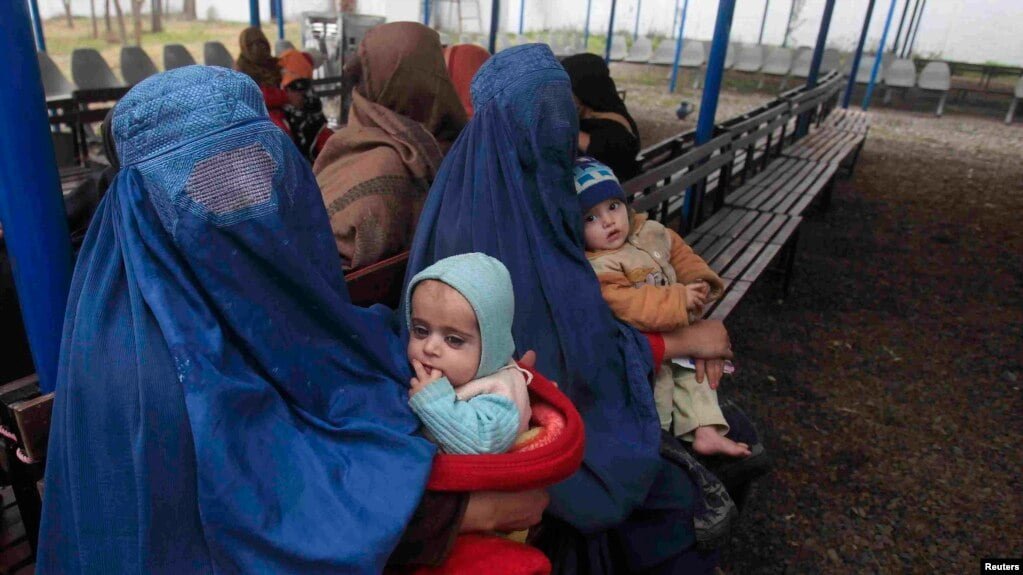
In the midst of this global crisis, Pakistan continues its longstanding role as a haven for countless Afghan refugees. As of March 2022, approximately 1.29 million Afghan refugees were registered in Pakistan, and the actual number of unregistered individuals may be a staggering 5 million. This burden has persisted for decades, stemming from the aftermath of the Soviet invasion. Moreover, our own nation faces the formidable challenges of internal displacement, driven by extremist attacks and the devastating consequences of climate-related disasters.
It is an undeniable truth that the world must address the plight of refugees with urgency and compassion. These displaced individuals, stripped of their homes and homeland, deserve our unwavering support and solidarity. However, the task at hand is Herculean. The sheer scale of forced displacement demands a coordinated and comprehensive global response. It is imperative that nations work collaboratively to alleviate the suffering of refugees, offering them safety, dignity, and the opportunity to rebuild their lives.
While the international community has made efforts to provide assistance and protection to refugees, much more needs to be done. Adequate funding and resources must be allocated to ensure the provision of basic necessities such as shelter, food, water, and healthcare. Access to education and livelihood opportunities is also essential, enabling refugees to regain their independence and contribute to their host communities.
In addition to immediate humanitarian support, long-term solutions must be sought. This entails addressing the root causes of displacement, including conflict resolution, political stability, and sustainable development. By tackling the underlying issues that force people to flee their homes, we can prevent future crises and foster a world where individuals are not forced to leave their cherished lands in search of safety.
As we commemorate World Refugee Day, let us recommit ourselves to the cause of protecting and assisting refugees. Let us strive to create a world where the displaced find solace, where borders do not restrict compassion, and where hope is not a distant dream but a tangible reality. The road ahead may be arduous, but with unwavering determination and collective action, we can build a brighter future for all those who have been uprooted and seek refuge in our shared humanity.
Don’t forget to Subscribe our channel & Press Bell Icon.
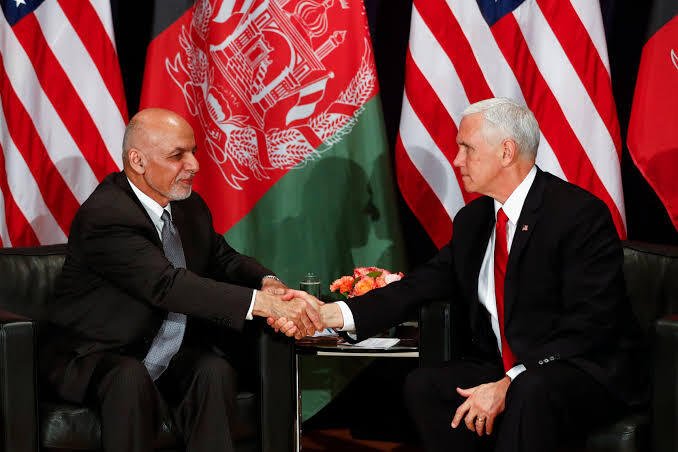
On the surface, the rights of internally displaced persons may seem protected, but the reality tells a different story. In stark contrast, refugees are often viewed as invaders, intruding upon foreign territories. As the majority of these displaced individuals seek refuge in developing nations, limited resources hinder their potential contribution. Integration, therefore, becomes an agonizing process, fraught with linguistic barriers, limited access to healthcare, financial obstacles, and a profound sense of disenfranchisement. It is evident that the developed world, particularly the United States, must forge collaborative frameworks that foster support, inclusivity, and a space for migrants who are often displaced due to Western military interventions. Organizations such as Amnesty International, the World Health Organization (WHO), and the United Nations High Commissioner for Refugees (UNHCR) must intervene to dismantle the barriers of privilege, safeguarding the persecuted and the countries hosting them. Until then, the promises made by the United States serve as mere placebos in the face of this grave crisis. As long as the well-being, skills, assimilation, and vitality of these individuals remain at stake, doors will continue to close upon them, a trend increasingly witnessed in Turkey and India.
However, it is vital to acknowledge that this predicament extends beyond the sphere of humanitarian concern. The treatment of refugees and internally displaced persons has profound implications for the global community. These individuals possess untapped potential, waiting to be unleashed if only they are given the opportunity. By harnessing their talents and capabilities, societies can benefit from their contributions, transforming them from mere burdens into valuable assets.
The responsibility to address this crisis rests not only with the developed nations but also with the entire international community. Collective action is imperative to break down the barriers that hinder the safety and well-being of those who have suffered persecution. It is incumbent upon influential nations and organizations to collaborate, not only in providing immediate assistance but also in formulating sustainable long-term solutions.
Western nations, in particular, must acknowledge their role in creating the conditions that force individuals to flee their homes. The consequences of military interventions and geopolitical maneuvering cannot be disregarded. The developed world bears a moral obligation to extend support to those affected by their actions, ensuring that they are not left to languish in uncertainty and despair.
Furthermore, it is essential to challenge the prevailing narrative that portrays refugees and migrants as burdens or threats to host countries. This rhetoric perpetuates fear and division, hindering the potential for genuine integration and social cohesion. Instead, it is crucial to recognize the resilience, determination, and resourcefulness that refugees bring with them. Their diverse experiences and perspectives can enrich societies, fostering cultural exchange, economic growth, and innovation.
In conclusion, the plight of refugees and internally displaced persons demands urgent attention and comprehensive action. This is not merely a matter of humanitarian concern; it is a global responsibility. The developed world, particularly the United States, must lead by example, forging collaborative frameworks, providing support, and creating opportunities for refugees to rebuild their lives and contribute to their host communities. The walls of privilege must be dismantled, ensuring that the safety, well-being, and rights of persecuted individuals are upheld. Only through collective efforts and a genuine commitment to inclusivity can we overcome the challenges and build a world where no one is forced to leave their home in search of safety and dignity.
Subscribe our website for latest updates:
https://republicpolicy.com/shop/
Read More