
Editorial
Development or decline is a multi-dimensional process. Either you develop or decline. The process is comprehensive as it’s difficult to develop a dimension when losing all dimensions.
Governance:
Pakistan has been experiencing political instability, polarization, and uncertainty for the past few years. The country has witnessed frequent changes of governments, allegations of foreign interference, protests, and violence. The current government of Prime Minister Shehbaz Sharif came into power after a no-confidence vote against his predecessor Imran Khan in April 2022. The government has been facing criticism for its decision paralysis, lack of legitimacy, and inability to address the economic and security crises. The opposition parties have been demanding fresh elections and challenging the government’s policies. The role of the military and the judiciary in the political affairs of the country has also been controversial and contentious according to critics.
Economy:
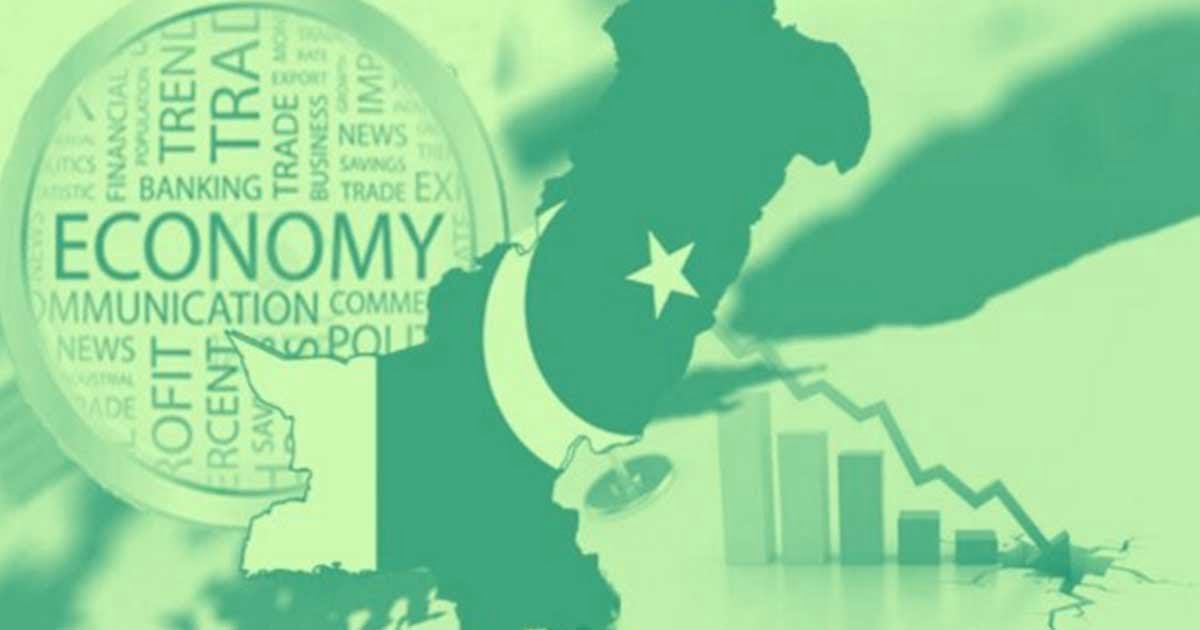
Pakistan is facing a severe economic crisis, characterized by low foreign reserves, high public debt, rising inflation, widening trade deficit, declining growth, and increasing poverty. The country has been struggling to meet its external payment obligations and to secure financial assistance from the International Monetary Fund (IMF) and other sources. The country has also been affected by the global energy crisis, the war in Ukraine, and the climate emergency. The economic crisis has eroded the purchasing power and living standards of the people, especially the poor and vulnerable segments of the society.
Defence:
Pakistan’s defence sector has been facing multiple challenges, both internal and external. The country has been dealing with the threat of terrorism, extremism, and sectarian violence from various militant groups, such as the Pakistani Taliban, Baloch insurgents, and sectarian outfits. The country has also been involved in a tense rivalry with India over the disputed territory of Kashmir and other issues. The country has also been affected by the regional dynamics in Afghanistan, where the Taliban takeover has raised concerns about the security and stability of the neighboring country. Pakistan has also been trying to balance its relations with major powers, such as the United States, China, Russia, and Saudi Arabia.
Constitution:
Pakistan’s constitution has been amended several times since its adoption in 1973. The constitution defines Pakistan as an Islamic republic with a federal parliamentary system of government. The constitution grants fundamental rights and freedoms to the citizens, such as equality, dignity, freedom of expression, religion, assembly, association, and movement. The constitution also provides for the separation of powers among the executive, legislative, and judicial branches of government. However, the constitution has also been subject to various controversies and challenges over the years. Some of these include the role of Islam in the state and society, the autonomy and representation of the provinces, the status of minorities and women, the independence and accountability of the judiciary, and the civil-military relations.
Sports:
Pakistan has a rich and diverse sporting culture, with cricket being the most popular and successful sport in the country. Pakistan has won several international tournaments and trophies in cricket, such as the World Cup (1992), the Champions Trophy (2017), and the T20 World Cup (2009). Pakistan has also produced some of the world’s finest cricketers, such as Imran Khan, Wasim Akram, Javed Miandad, Shahid Afridi, and Babar Azam. However, Pakistan’s cricket team has also faced several challenges and setbacks over the years, such as match-fixing scandals, security issues, poor administration, and inconsistent performance. Pakistan has also participated and excelled in other sports, such as hockey, squash, boxing, wrestling, and snooker. However, the country’s overall performance and ranking in international sports has declined in recent years due to various factors, such as lack of infrastructure, funding, coaching, talent development, and governance . However, over the years, the talent in sports hasn’t been able to get materialized due to fall of the institutions.
Art & Literature:
Pakistan has a rich and diverse artistic and literary heritage, influenced by various cultural and historical influences, such as Islam, Persia, India, Central Asia, and Britain. Pakistan has produced some of the world’s renowned artists and writers, such as Faiz Ahmed Faiz, Allama Iqbal, Saadat Hasan Manto, Abdul Sattar Edhi, Ahmed Faraz, Nusrat Fateh Ali Khan, Abida Parveen, Sadequain, Gulgee, Bapsi Sidhwa, Mohsin Hamid, and Malala Yousafzai. However, Pakistan’s art and literature scene has also faced several challenges and constraints over the years, such as censorship, political interference, religious intolerance, violence, and lack of patronage, recognition, and support . Even, with a cultural inheritance, the present cultural & literary scene is unproductive.
These are some of the declines Pakistan is facing in different domains. To come out of the crisis, Pakistan needs to adopt a comprehensive and long-term vision and strategy that addresses the root causes and structural problems of the country. Pakistan also needs to improve its governance, accountability, and transparency, and foster a culture of dialogue, tolerance, and pluralism. Pakistan also needs to diversify and strengthen its economy, enhance its human development, and promote its soft power and regional cooperation. If Pakistan develops the core of the nation & state, it would primarily means that all other dimensions will start developing.