
A brief analysis !
Energy security is the uninterrupted availability of energy sources at an affordable price. It has many aspects, such as physical availability, technology development, economic affordability, social accessibility, governance, unconventional threats, and natural environment. Energy security can be categorized into oil security, electricity security, natural gas security, and emergency response exercises.
Energy crisis is a situation where the demand for energy exceeds the supply or the price of energy becomes unaffordable for consumers. Pakistan is facing an acute energy crisis that poses serious threats to its economy and national security. According to several estimates, energy shortages have cost the country up to 4% of GDP over the past few years.
The energy crisis in Pakistan has multiple causes and effects. A few of the main causes are:
Lack of a comprehensive and integrated energy strategy, resulting in interagency turf wars and a lack of coordination.
2.
Insufficient revenue to support energy generation and infrastructure, owing to low liquidity in Pakistan’s struggling economy and high rates of tax default.
3.
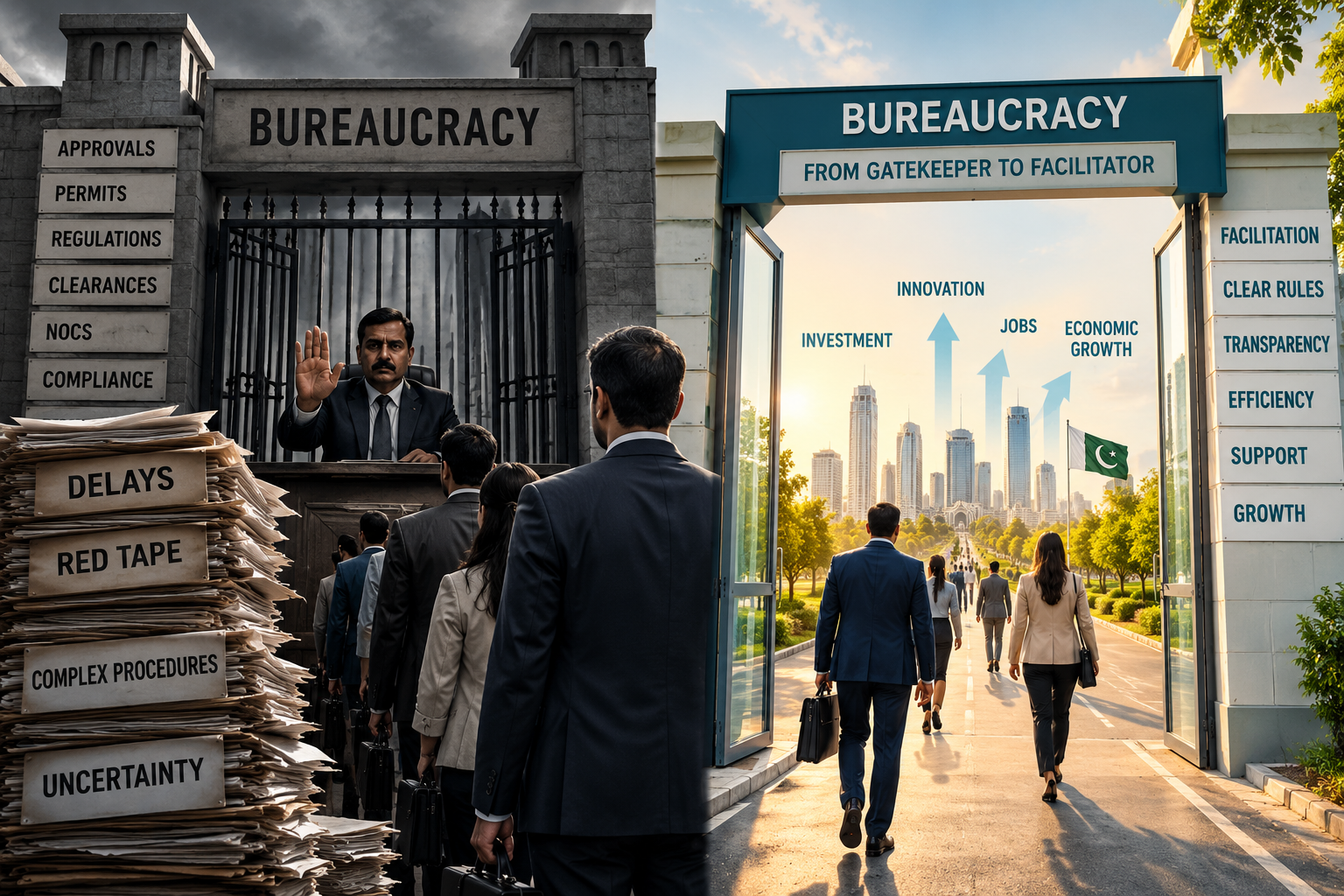
The leadership’s unwillingness to implement politically unpopular changes to address the situation.
High dependence on imported oil and gas, which are subject to price fluctuations and supply disruptions in the global market.
4.
Inadequate investment in domestic renewable energy sources and power generating facilities.
5.
Poor governance and mismanagement of the energy sector, leading to inefficiencies, losses, corruption, and theft.
6.
Growing demand for energy due to population growth, urbanization, industrialization, and income growth.
Resultantly, it has caused a number deteriorating effects which are:
1.
Frequent power outages and load shedding, affecting households, businesses, industries, and public services.
2.
Reduced economic growth and productivity, leading to lower incomes, higher unemployment, and increased poverty.
3.
Social unrest and public dissatisfaction with the government’s performance.
4.
Environmental degradation and health hazards due to air pollution from fossil fuel combustion.
Increased vulnerability to external shocks and geopolitical tensions due to reliance on imported energy sources.
5.
It has destroyed the manufacturing industry as Pakistan is no more competitive in the international markets due to high cost of productions.
In line with the crisis, some of the main strategies, plans & projects to overcome energy crisis in Pakistan at federal and provincial levels are:
1.
Consolidating the many energy-related institutions into a single ministry at federal & provincial levels to bring some urgently needed order and efficiency to the energy sector.
2.
Requesting a new loan from the International Monetary Fund (IMF) to address the immediate liquidity crisis and implement structural reforms in the energy sector. It’s also essential to bring massive local investments.
3.
Tax & revenue& economic reforms to provide Islamabad with more revenue to address the energy crisis.
4.
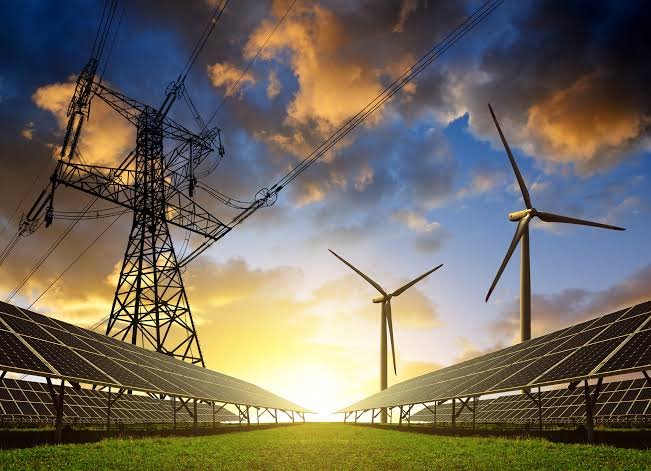
Diversifying the energy mix by importing clean coal, developing domestic renewable energy sources such as solar, wind, hydro, biomass, and nuclear power, and enhancing regional cooperation on cross-border energy grids.
5.
Improving the efficiency and reliability of the existing power generation and transmission infrastructure by reducing losses, upgrading equipment, installing smart meters, and enforcing accountability measures.
6.
Implementing demand-side management measures such as promoting energy conservation, efficiency, and awareness among consumers; introducing differential tariffs for peak and off-peak hours; and subsidizing low-income households for lifeline consumption.

Lastly, Pakistan should devise national & international projects to ensure consistent & affordable energy to domestic & industrial sectors.
republicpolicy.com