
The recent incident of the burning of Holy Quran has sparked a wave of anger amongst Muslims across the world. The incident is symbolic because it was carried out on Eid in order to intentionally antagonize the Muslims across the world. Then, there is a need to make the world understand that Islam, Quran & Holy Prophet ( SAW) live in the hearts of the Muslims. Accordingly, therefore, the role of OIC & Islamic Countries need to be more proactive & strong.
Islamophobia: A Brief Overview
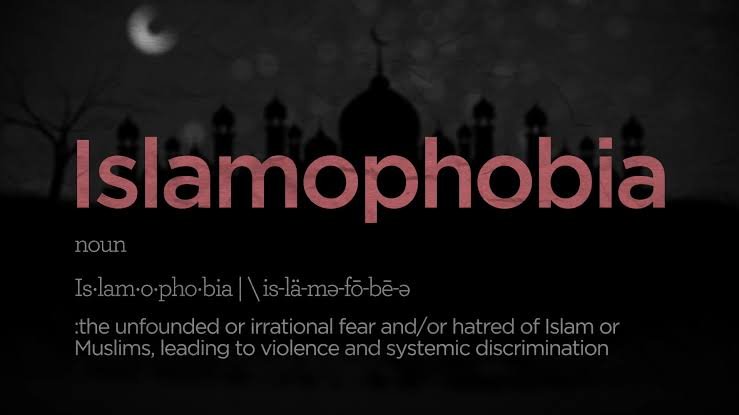
Islamophobia is a term that refers to the fear, hatred, or prejudice against Islam or Muslims, especially as a political force or a source of terrorism. It can manifest in various ways, such as violence, discrimination, harassment, incitement, and intolerance towards Muslims and their beliefs, culture, and symbols. Islamophobia can also affect non-Muslims who are perceived to be associated with Islam or Muslims based on their nationality, ethnicity, or appearance. Hence, it’s a politically motivated emotion meant to hate, discriminate & marginalize Muslims.
Causes and Effects of Islamophobia
A few of the possible causes of Islamophobia are:
The so-called accusations of the association of Islam and Muslims with violence and terrorism, especially after the attacks of 9/11 and other incidents perpetrated by extremist groups.
2 .
The lack of knowledge and understanding of Islam and its diversity, leading to stereotypes and generalizations.
3.
The influence of media and political discourse that portray Islam and Muslims as a threat or a problem to western values.
4.
The rise of nationalism, populism, and xenophobia that fuel anti-immigrant and anti-minority sentiments.
Some of the effects of Islamophobia are:
1.
The violation of human rights and dignity of Muslims, such as physical assaults, verbal abuse, vandalism, hate crimes, and hate speech.
2.
The discrimination and exclusion of Muslims in various spheres of life, such as education, employment, health care, citizenship, and political participation.
3.
The marginalization and alienation of Muslim communities, leading to social isolation, psychological distress, and radicalization.
4.
The erosion of social cohesion and pluralism, resulting in polarization, division & discrimination.
Strategies to Counter Islamophobia
1.
Educating oneself and others about Islam and its diversity, history, values, and contributions to society.
2.
Engaging in dialogue and interaction with Muslims and other faith communities to foster mutual respect and understanding.
3.
Challenging stereotypes and prejudices by using facts, evidence, and positive narratives.
4.
Reporting and denouncing incidents of Islamophobia to authorities and civil society organizations.
5.
Supporting initiatives that promote social justice, human rights, and inclusion for all.
Role of OIC in Tackling Islamophobia
The Organization of Islamic Cooperation (OIC) is an intergovernmental organization that represents 57 Muslim-majority countries. It aims to safeguard the interests and well-being of Muslims around the world. One of its objectives is to combat Islamophobia and protect the rights of Muslims in non-member states.
Some of the actions that OIC has taken to tackle Islamophobia are:
1.
Establishing the OIC Observatory on Islamophobia to monitor and document cases of Islamophobia globally.
2.
Adopting the OIC Charter on Human Rights in Islam that affirms the principles of equality, dignity, tolerance, and diversity.
3.
Developing the OIC Media Strategy in Countering Islamophobia that provides guidelines for media professionals to avoid bias and misinformation.
4.
Organizing conferences, seminars, workshops, and campaigns to raise awareness and mobilize support against Islamophobia.
5.
Cooperating with other regional and international organizations, such as the UN, the EU, the OSCE, and the African Union to address Islamophobia.

Lastly, OIC must try to enforce all it’s declarations.